
Top Utility Companies In The Us
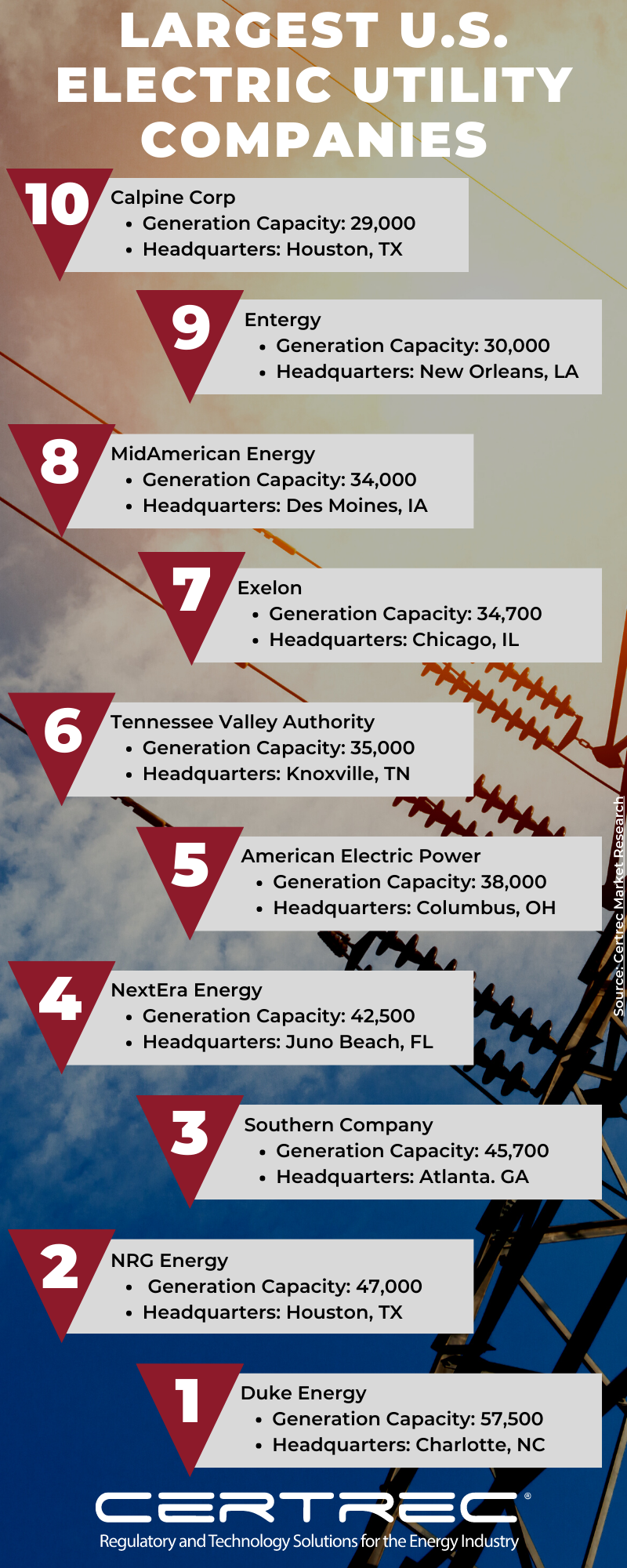
Ever stopped to think about the incredible ballet of infrastructure that hums silently beneath our modern lives? We flip a switch, and light appears. We turn a tap, and clean water flows. We scroll through endless cat videos, thanks to the internet. These aren't magic tricks; they're the daily miracles delivered by utility companies. And while the phrase "utility company" might sound a tad... dry, exploring the top players in the U.S. can actually be quite a fascinating peek into the backbone of our society!
So, what exactly is the purpose and benefit of these colossal entities? Simply put, they provide the essential services that make modern life possible and comfortable. We're talking about electricity, natural gas, water, wastewater treatment, and sometimes even internet and telecommunications. Their primary goal is to ensure reliable and safe delivery of these necessities, often across vast geographic areas. Think about it: without them, homes would be dark, food would spoil, heating would vanish in winter, and our cities would grind to a halt. They build and maintain the massive, intricate networks – power grids, pipelines, treatment plants – that would be impossible for individuals or even smaller businesses to manage. Their existence ensures public health, economic stability, and our collective quality of life, acting as a regulated, essential service rather than just another competitive market.
The impact of utility companies isn't just about keeping the lights on; it weaves into countless aspects of our daily existence and even finds its way into education. In your daily life, every single appliance you plug in, every shower you take, every meal you cook on a gas stove, or every minute you spend online is a direct interaction with a utility service. From charging your phone to heating your home, their influence is omnipresent. In education, utilities provide rich case studies across disciplines. Environmental science students analyze their energy sources and sustainability efforts. Economics classes delve into their unique regulatory models and pricing structures. Engineering students study grid design, water purification, and infrastructure maintenance. Even civics lessons can explore the role of Public Utility Commissions (PUCs) in balancing corporate needs with consumer protection.
Must Read
Curious to dig a little deeper without needing an engineering degree? Here are some practical tips and simple ways to explore the world of utility companies. First, grab your most recent utility bill! Who are your providers for electricity, gas, and water? Often, it's a major player. Visit their websites; you'll find information on their service areas, sustainability initiatives, and even outage maps. You could also look up your state's Public Utility Commission (PUC) online – they're the government body overseeing these companies, and their websites often have fascinating insights into regulations and consumer rights. Next time you're out, simply observe the infrastructure around you: power lines, substations, water towers, gas meters. These are the tangible signs of an invisible system working tirelessly. Understanding these companies isn't just about facts; it's about appreciating the complex, vital systems that keep our world humming.
![Top 10 Electric Utility Companies in the USA [As of 2025]](https://blog.mirrorreview.com/wp-content/uploads/2024/08/Top-10-Electric-Utility-Companies-in-the-USA-1.jpg)
.png)