
Top Bid -- Reserve Price Not Met.
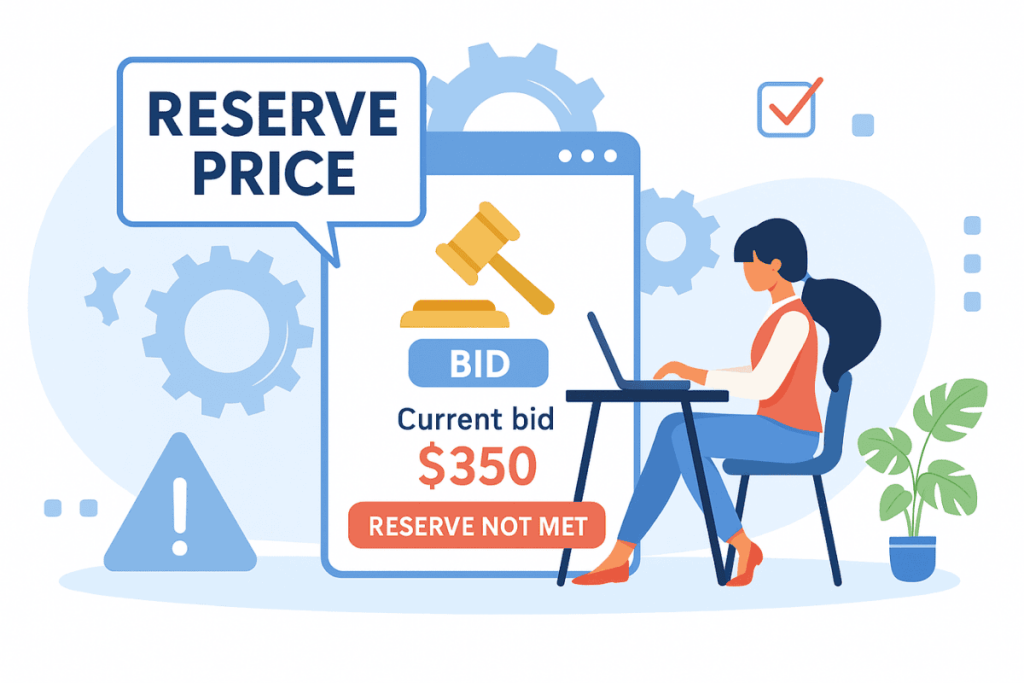
Okay, so picture this: I'm at a local antique auction. I've been eyeing this absolutely gorgeous, slightly dusty, definitely overpriced Victorian-era hat stand all afternoon. Bidding starts low, which, you know, always gives you a glimmer of hope. It inches up, people are dropping out, and then... it's down to me and some guy who looks like he genuinely lives in the 1800s. I throw in a bid that feels audacious – like, rent money audacious. He bows out! Victory is mine! Or so I thought...
Then the auctioneer drops the bomb: "Top bid...reserve price not met. Item withdrawn." My face probably looked like a toddler who just had their lollipop stolen. Seriously. What. Just. Happened?
That, my friends, is the confusing, sometimes infuriating, world of auctions and reserve prices. Let's break it down.
Must Read
What's a Reserve Price Anyway?
Simply put, the reserve price is the minimum amount the seller is willing to accept for an item. Think of it as their secret, "nope, not selling it for less than this" number. It's like when you're selling something on Craigslist, but instead of telling everyone your minimum price, you keep it a secret and hope for the best. Risky move, right? (Although, honestly, how many of us have secretly hoped for more than we'd actually accept?)
The auctioneer knows the reserve price, but the bidders usually don't. That's part of the game. The seller sets the reserve to protect themselves from having to sell their prized possession for pennies. And let's be real, sometimes those "prized possessions" are just grandma's hideous porcelain doll collection. No offense, Grandma.

Top Bidder Blues: Why Does This Happen?
So, you're the top bidder. You conquered the competition. You felt that sweet, sweet taste of victory. But the reserve wasn't met. What gives? Well, a few things could be at play.
First, the seller might have been overly optimistic about the item's value. They might have watched too many episodes of "Antiques Roadshow" and decided their dusty old vase was actually worth a king's ransom. Hey, we've all been there. Overestimating the value of our junk is practically a national pastime.

Second, maybe the auction just didn't attract the right crowd. The hat stand I was after? Maybe there just weren't enough hat enthusiasts in the room that day. Or maybe everyone else had already bought their hat stands. Timing is everything, people! (Especially when buying antique furniture.)
And third, and this is where it gets a bit cynical, the seller might be using the auction to gauge interest. They're essentially using you, the bidder, as a free market research tool. Sneaky, right? They get to see what people are willing to pay, and then they can decide whether to relist it later with a lower reserve, try to sell it privately, or just keep it in the attic to collect dust. You know, the usual.
What Can You Do About It?
Honestly? Not much. But you're not entirely powerless!
Ask the auctioneer! Find out if they can negotiate with the seller on your behalf. Sometimes, the seller is willing to budge, especially if they're desperate to get rid of the item. Worth a shot, right?
Express your disappointment. Politely (emphasis on politely) let the auctioneer know you were genuinely interested. Sometimes, just knowing there's a serious buyer out there can encourage the seller to reconsider.

Walk away. This is the hardest one, but sometimes it's the best option. Don't get caught up in the heat of the moment and overpay for something just because you "have" to win. There are plenty of other dusty Victorian hat stands out there. (Probably.) And remember, patience is a virtue… especially at auctions.
Do your research beforehand. Get an understanding of the fair market value for similar items. Then, before you start bidding, ask the auctioneer if they can share some insight into the seller's expectations. You won't get the exact reserve price, but you might get a sense of whether you're even in the same ballpark.
Ultimately, losing out on an item because the reserve price wasn't met is just part of the auction experience. It's frustrating, sure, but it's also a lesson in the art of negotiation, the psychology of selling, and the importance of knowing when to walk away. And hey, at least you didn't end up with another porcelain doll. 😉