
Titanium What Is It Used For
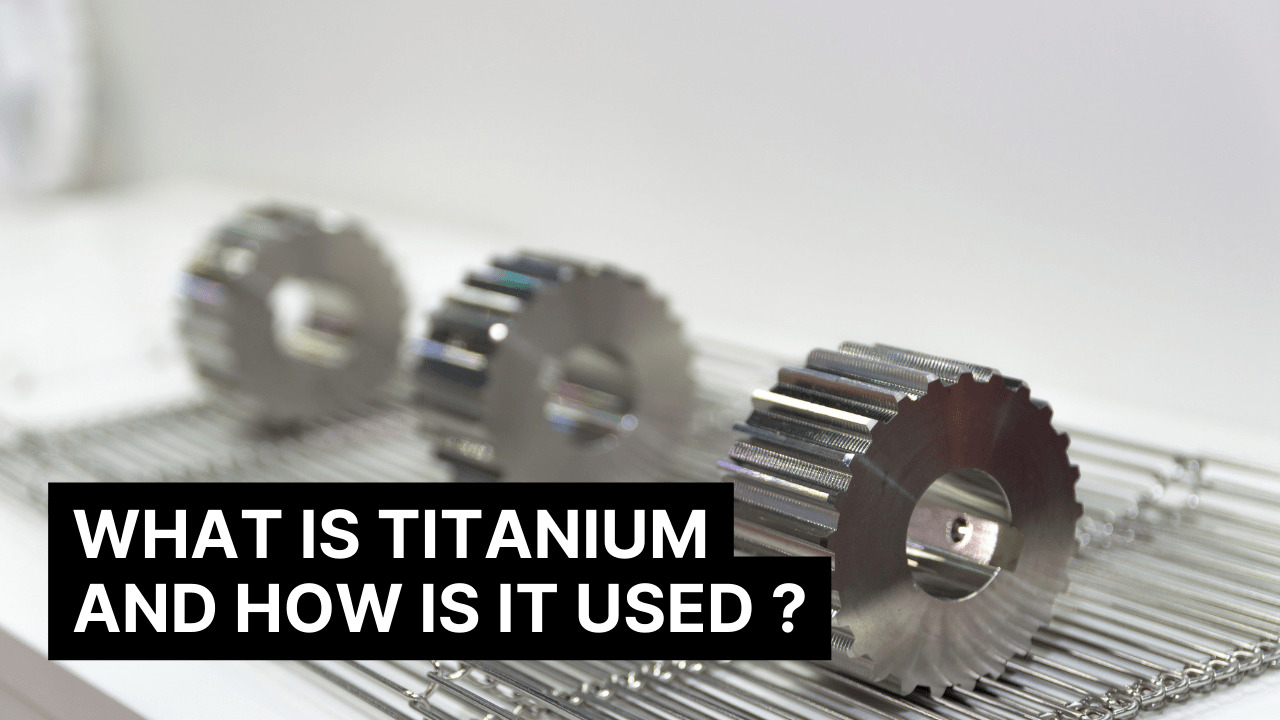
So, you've probably heard the name Titanium tossed around, right? It sounds fancy, a bit futuristic, maybe even a little mysterious. You might associate it with expensive watches, high-tech airplanes, or perhaps even a certain pop song. But have you ever stopped to wonder, what actually is Titanium, and why is it so incredibly special that it shows up in such a diverse range of places?
Let's peel back the curtain a little. In the grand scheme of metals, Titanium is kind of like the quiet superstar who doesn't shout about their achievements but consistently delivers. It's not as common as iron, nor as shiny (initially!) as silver, but its unique combination of properties makes it a true marvel of the material world.
The Big Reveal: What Makes Titanium Tick?
Imagine a metal that's strong as steel but nearly half its weight. Sounds like something out of a comic book, doesn't it? Well, that's Titanium for you! Its incredible strength-to-weight ratio is its biggest party trick. Think about it: you get all the structural integrity without the bulky heft. It's like having a superhero's muscles but the agility of a gymnast.
Must Read
But wait, there's more! Titanium is also an absolute champ when it comes to corrosion resistance. Unlike many metals that shiver at the thought of saltwater or harsh chemicals, Titanium just shrugs them off. It forms a thin, tough oxide layer on its surface that acts like an invisible shield, protecting it from rust and decay. This means it can hang out in the ocean, survive chemical baths, and basically laugh in the face of anything trying to break it down. It’s practically immortal in many environments.
And here’s another mind-blower: it’s incredibly biocompatible. What does that mean? Simply put, your body gets along with it wonderfully. It doesn't cause allergic reactions or try to reject it, which is a huge deal when you're talking about something going inside a human being. Many metals would be considered foreign invaders, but Titanium is welcomed with open arms by your tissues and bones.
Oh, and did we mention it can handle some serious heat? Titanium has a rather high melting point, making it pretty resilient in high-temperature environments. It's a tough cookie, through and through.
So, Where Does This Wonder Metal Pop Up?
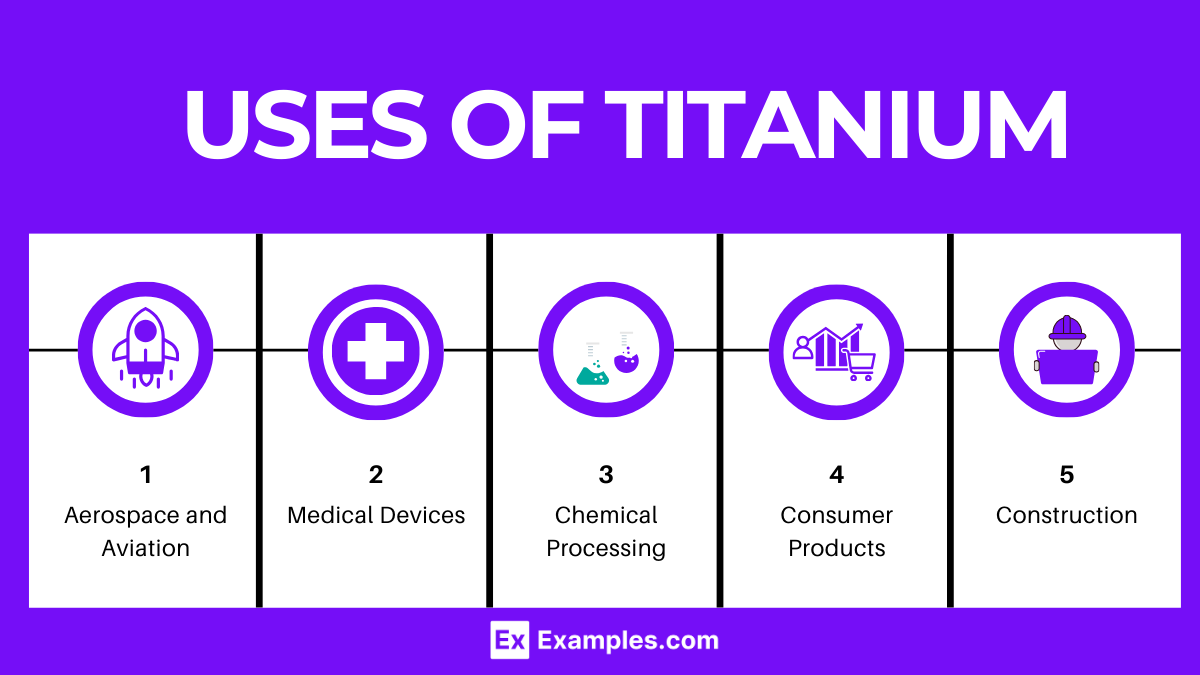
Given its impressive resume, it's no surprise that Titanium finds its way into some truly critical and cool applications. Let's dive into some of its starring roles:

Soaring High: Aerospace
This is probably one of the most famous applications. When you're building a plane or a rocket, every single gram matters. You need materials that are incredibly strong to withstand the immense forces of flight, but also lightweight to maximize fuel efficiency and payload. Enter Titanium! Its strength-to-weight ratio is a game-changer for aircraft frames, engine components, and even spacecraft. It helps keep us safely zipping across continents or venturing into the cosmos.
Healing Hands: Medical Magic
Remember that biocompatibility we talked about? It’s a literal lifesaver in the medical field. Titanium is the go-to material for things like joint replacements (hips, knees), bone screws, dental implants, and even surgical instruments. Because your body doesn't reject it, it can fuse directly with bone, becoming a stable, permanent part of you. It's truly amazing to think that a piece of this metal could literally be holding you together, helping you walk, or giving you a brand new smile!
Game On: Sports and Leisure
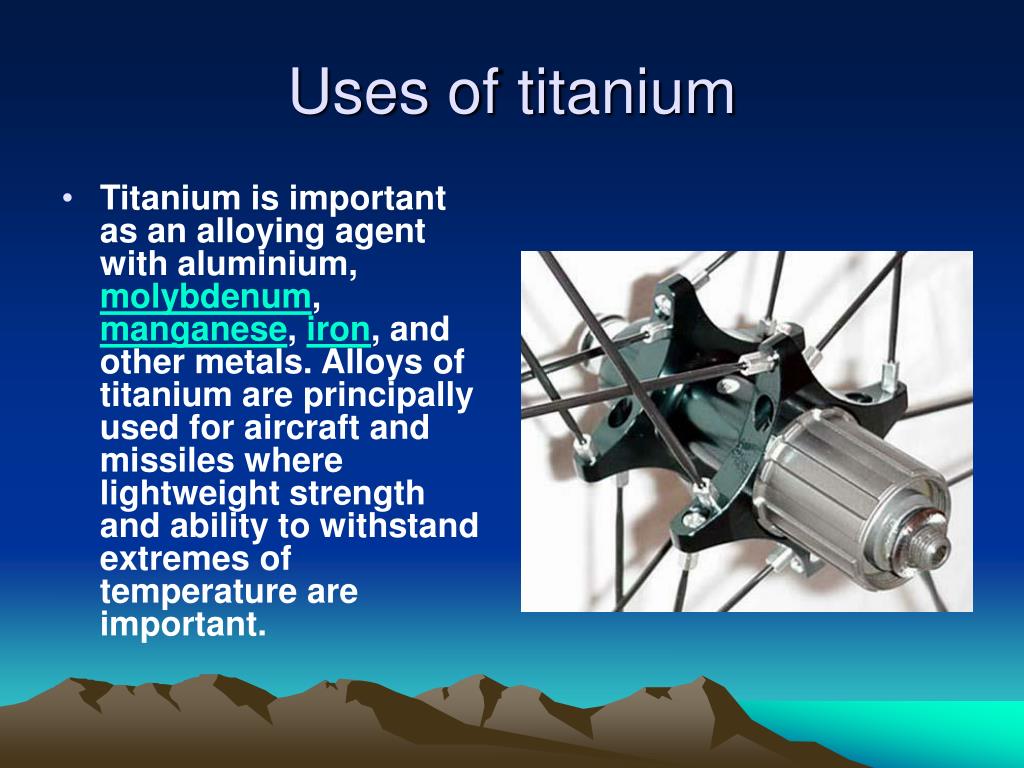
Want to hit that golf ball further? Pedal that bike faster? Or have a tennis racket that feels like an extension of your arm? Titanium has made a significant impact on sports equipment. Its combination of strength and lightness means manufacturers can create stronger, lighter golf club heads, bicycle frames, tennis rackets, and even camping gear. It gives athletes that extra edge, making equipment more responsive and durable without adding unnecessary weight.
Style and Durability: Jewelry and Fashion
Beyond the high-performance world, Titanium also has a sleek, understated elegance. You'll find it in high-end watches, wedding rings, and other jewelry. Why? Because it’s incredibly durable, scratch-resistant, and won't tarnish. Plus, for those with sensitive skin, its hypoallergenic nature makes it a fantastic choice. It looks cool, feels premium, and practically lasts forever.
Everyday Tech and Beyond
Even your everyday gadgets might be getting a touch of Titanium. Some premium smartphones and laptops use Titanium alloys for their chassis, offering a robust yet lightweight feel. It's also used in some high-performance automotive parts, marine components (because, hello, salt water!), and even in architecture for its unique aesthetic and incredible longevity.
The Catch?
If Titanium is so awesome, why isn't everything made of it? Well, like many good things, there's a small catch: it's not cheap. Extracting and processing Titanium ore into a usable metal is a complex and energy-intensive process, making it more expensive than more common metals like steel or aluminum. This is why it's usually reserved for applications where its unique properties are absolutely essential and justify the cost.
A Metal Marvel
So, the next time you hear the word Titanium, you'll know it's not just a fancy name. It's a truly remarkable element, a real workhorse in disguise, quietly enabling some of the most advanced technologies and everyday items around us. From literally becoming part of our bodies to helping us fly through the skies and conquer athletic feats, Titanium is a testament to the incredible wonders that the periodic table holds. Pretty cool, right?