
Tips For Writing A Press Release
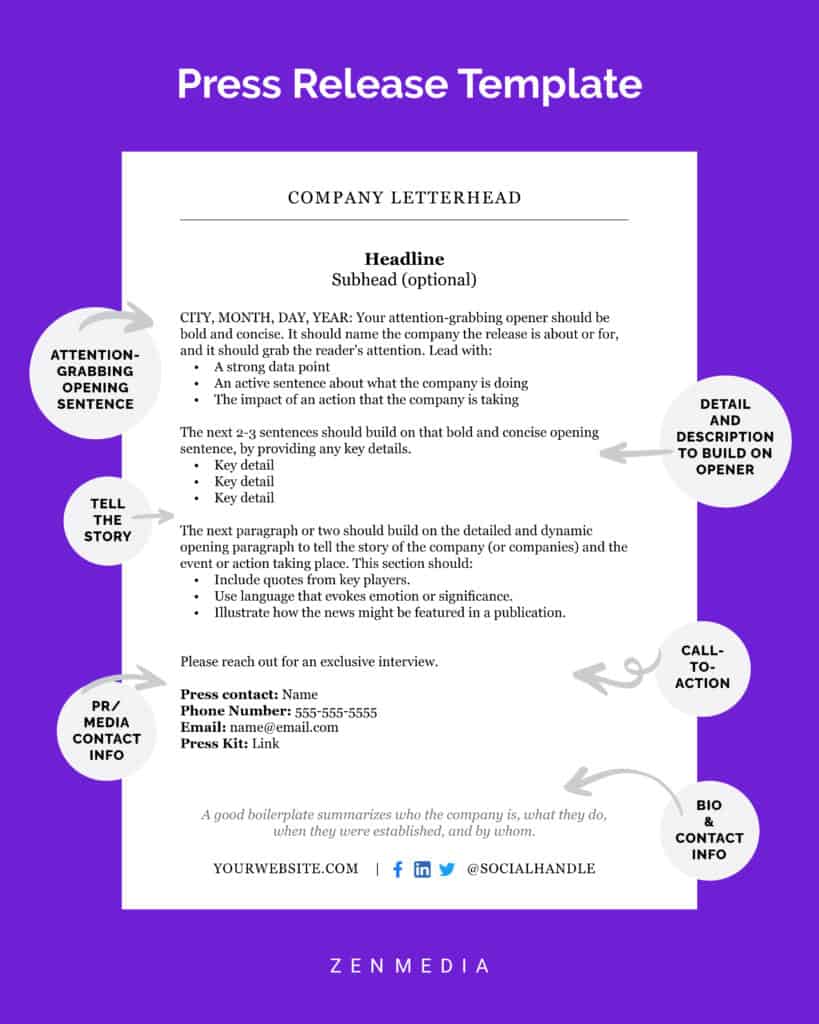
Okay, let's talk press releases. Everyone acts like they're rocket science. Spoiler alert: they're not. I have some...opinions. Maybe unpopular ones. But hey, someone's gotta say it.
Tip #1: Ditch the Jargon (Seriously)
We've all seen them. Press releases so full of buzzwords they sound like they were written by robots. "Synergistic solutions!" "Disruptive innovation!" Barf. My unpopular opinion? Nobody actually cares. Write like a human. Pretend you're explaining it to your grandma. If she understands, you're golden.
Think about it. Are you trying to impress investors or actually get someone to read your news? Less jargon, more genuine excitement. It works wonders.
Must Read
Tip #2: Make it About Them (Not Just You)
Another pet peeve: press releases that are basically love letters to the company. "We're the best! We're amazing! Look at us!" Okay, great. But why should I care? What's in it for me?
Connect your news to a bigger picture. How does your product/service/announcement improve someone's life? Does it solve a problem? Does it make the world a slightly better place? Highlight that. Make the reader the hero of the story. Because, let's face it, they are.
Tip #3: Headlines That Don't Suck
The headline is your first (and maybe only) chance to grab someone's attention. Don't waste it on something boring and generic. "Company X Announces Y" is snooze-worthy. Be clever. Be intriguing. Be specific.
Think about the questions people are asking. Can you answer one of them in your headline? Even better, can you create a little bit of curiosity? Think clickbait...but, you know, the good kind of clickbait. The kind that actually delivers on its promise.
Tip #4: Embrace the Multimedia
A wall of text? No thanks. This isn't 1995. We live in a visually-driven world. Add pictures! Add videos! Add GIFs of cats playing keyboards! Okay, maybe not that last one (unless it's relevant). But you get the idea.
Visuals break up the monotony and make your press release more engaging. A picture is worth a thousand words, blah blah blah. You've heard it all before. But it's true! Use images that support your message and make people want to learn more.
Tip #5: Don't Bury the Lede
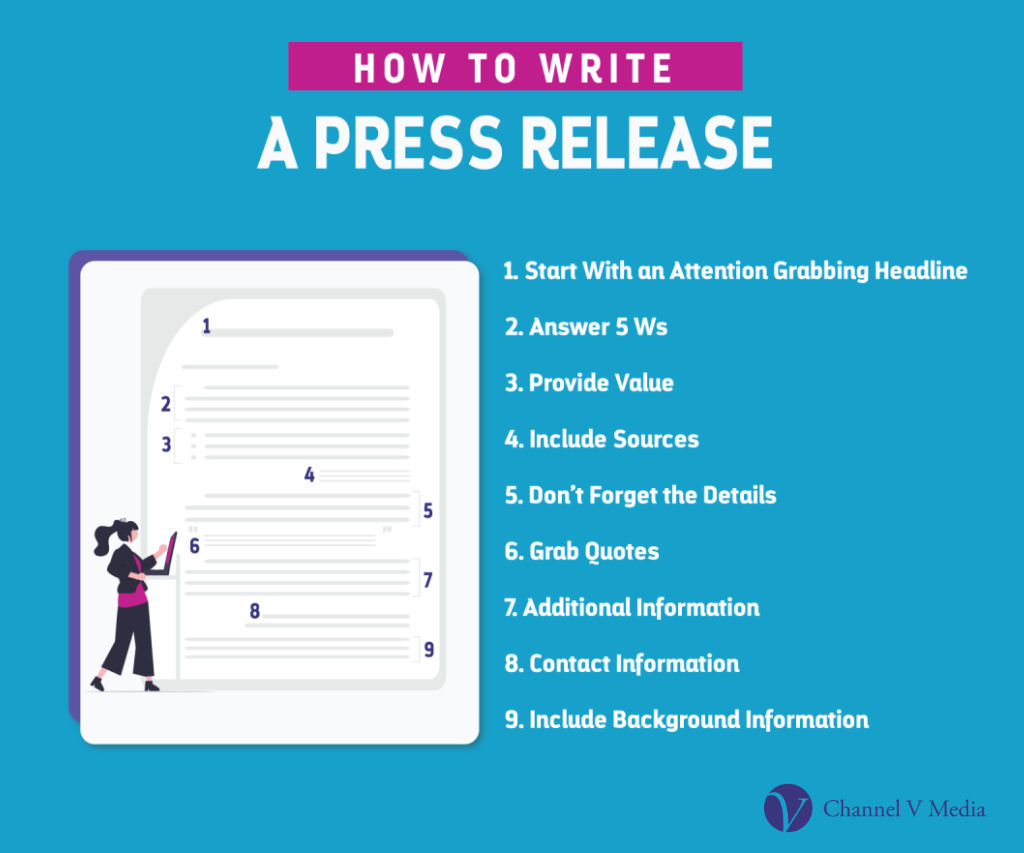
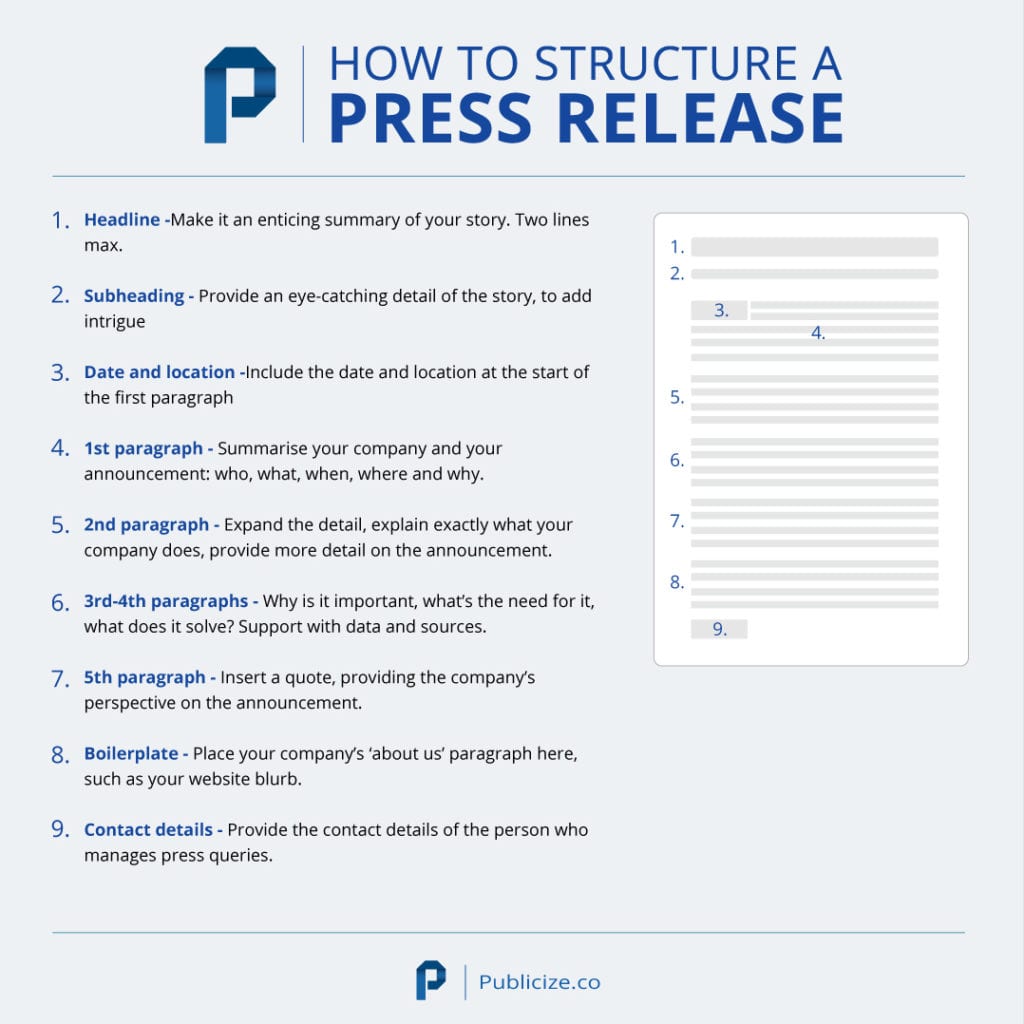
Newsflash: Journalists are busy people. They don't have time to wade through paragraphs of fluff to find the actual news. Put the most important information right up front. Who, what, where, when, why. Get it all out there in the first paragraph.
My unpopular opinion? If a journalist has to search for the news, they're going to move on to something else. Don't make them work for it. Make it easy for them to understand why your news is worth covering.
Tip #6: Proofread (Duh!)
Seriously, people. Nothing screams "unprofessional" like typos and grammatical errors. Read your press release out loud. Have someone else read it. Use a grammar checker. Do whatever it takes to make sure it's perfect.
A single typo can undermine your credibility and make people question your attention to detail. Don't let something so easily avoidable derail your entire effort.
Tip #7: Remember Your Audience
Who are you trying to reach with your press release? Journalists? Investors? Potential customers? Tailor your message to that specific audience. What do they care about? What information are they looking for? Speak their language.
A generic press release is like throwing spaghetti at the wall and hoping something sticks. A targeted press release is like aiming a laser beam at the exact spot you want to hit. Choose the laser beam.

In Conclusion (and My Most Unpopular Opinion): Relax!
Press releases don't have to be intimidating. They're just a way to share your news with the world. Have fun with it! Let your personality shine through. Be authentic. And don't be afraid to break the rules (as long as you know what you're doing). Your next press release, and the media coverage that follows, could propel your brand. So give it your best.
Oh, and one last thing? Don't forget to include your contact information. You'd be surprised how many people forget that part.
Good luck! You got this. And remember, even Shakespeare had to start somewhere.