Tig Welding Aluminum Ac Or Dc

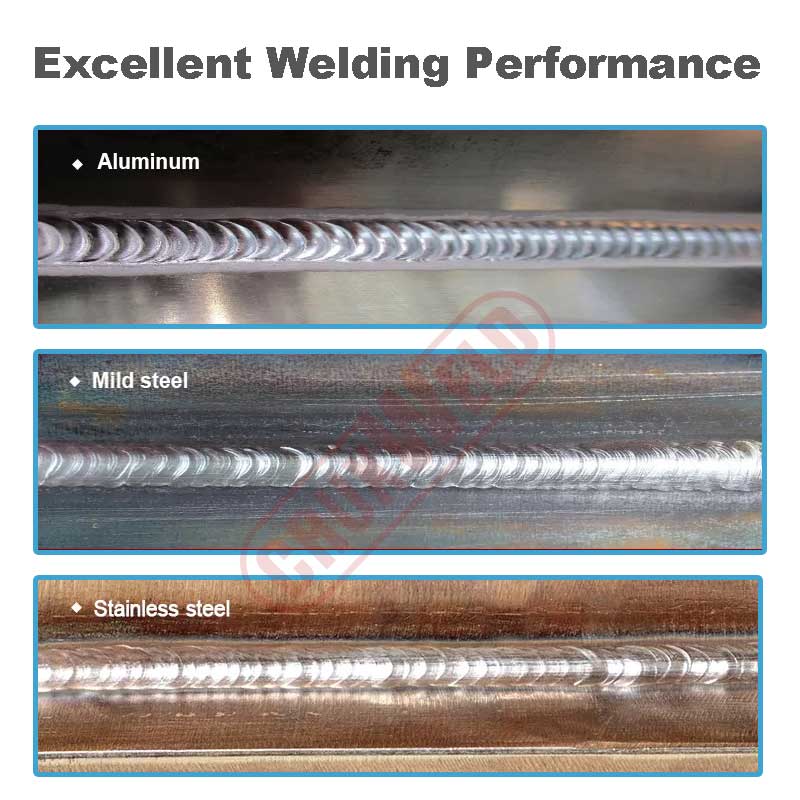
Ever wondered about those incredibly neat, stacked-dime welds you see on custom car parts, bicycle frames, or even high-end furniture? Chances are, you're looking at the beautiful handiwork of TIG welding, and when it comes to metals like aluminum, it truly shines. It might sound like something only pros do, but diving into TIG welding aluminum can be an incredibly fun and rewarding hobby, opening up a whole new world of creation and repair for everyday enthusiasts.
So, why would you want to learn this intricate dance of metal? For beginners and hobbyists, it’s about more than just joining two pieces of metal. Imagine repairing that cracked aluminum lawn chair, fabricating a custom bracket for your bike, or even building your own lightweight outdoor gear. TIG welding allows for incredible precision and clean aesthetics, making your projects look professional. It’s a skill that empowers you to fix, build, and create with a versatile metal that’s found everywhere, from automotive parts to marine equipment and household items. The satisfaction of laying down a perfect, shiny bead on aluminum is truly addictive!
Now, let's get to the nitty-gritty: the big question of AC or DC when welding aluminum. This is where TIG welding aluminum gets its unique flavor. For aluminum, the overwhelming answer is AC (Alternating Current). Why? Aluminum has a stubborn, invisible oxide layer on its surface that melts at a much higher temperature than the base aluminum itself. DC current, while fantastic for steel and stainless, simply doesn't break through this oxide layer effectively. You'd end up with messy, poor-quality welds and a lot of frustration.
Must Read
This is where AC comes to the rescue! During the AC cycle, the current actually reverses direction. One half of the cycle provides the necessary heat and penetration, while the other half (the "cleaning cycle") effectively blasts away that pesky oxide layer, allowing the molten aluminum to flow smoothly and fuse properly. This back-and-forth action is what gives AC TIG its characteristic buzz and makes it the champion for aluminum. Without AC, welding aluminum effectively with TIG is nearly impossible. So, if you're looking to TIG weld aluminum, ensure your machine has an AC TIG setting.

Ready to try your hand at it? Here are some simple, practical tips to get you started. First and foremost, cleanliness is next to godliness when it comes to aluminum. Any grease, dirt, or even fingerprints can contaminate your weld, so always clean your material thoroughly with a stainless steel brush and a solvent like acetone right before welding. Secondly, always use 100% pure Argon gas – it's essential for shielding your weld from atmospheric contamination. Third, choose the right tungsten electrode; for AC aluminum, pure tungsten (green tip) or 2% ceriated (grey tip) are common choices, often with a slightly balled tip. Start with smaller practice pieces, focus on steady hand movement, and get comfortable with controlling the heat using your foot pedal or finger control.
Learning to TIG weld aluminum with AC is a skill that opens doors to endless creative possibilities. It’s a bit like learning to draw with a very hot, precise pencil – challenging at first, but incredibly rewarding once you get the hang of it. So grab some scrap aluminum, fire up that AC TIG machine, and discover the immense satisfaction of crafting beautiful, strong welds. You might just find your new favorite hobby!