
Tig Weld Vs Mig Weld Strength
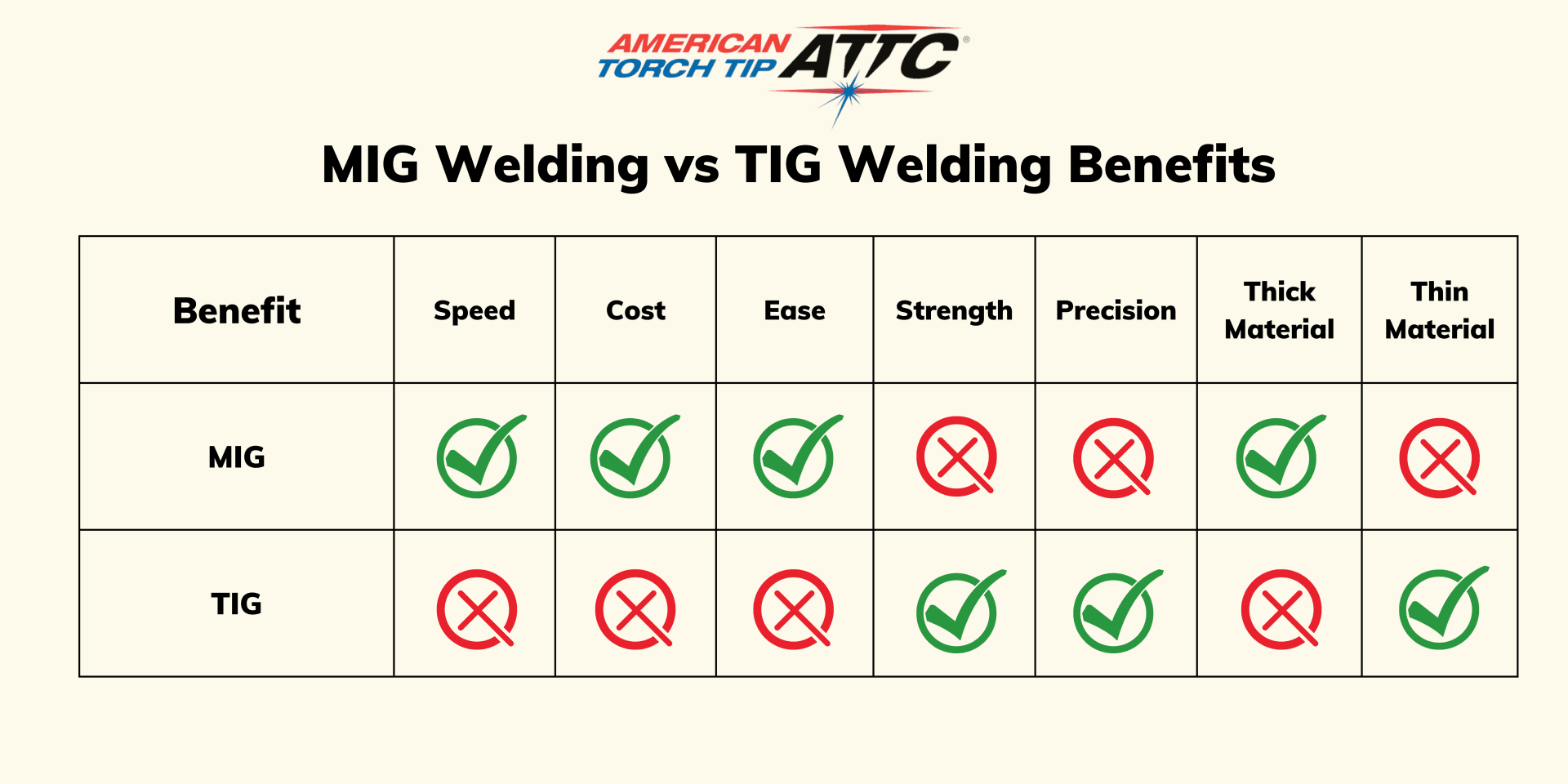
Alright, grab your imaginary coffee, folks, because we’re about to dive into one of the great debates of the metalworking world: TIG weld versus MIG weld strength! It’s a question that often sparks more heated arguments than whether a hot dog is a sandwich (it totally is, fight me). People have very strong opinions, and usually, they're wildly enthusiastic about their preferred method. But when it comes down to the raw, unadulterated strength, who truly wins this metallic arm wrestle?
MIG: The Speedy Spreader!
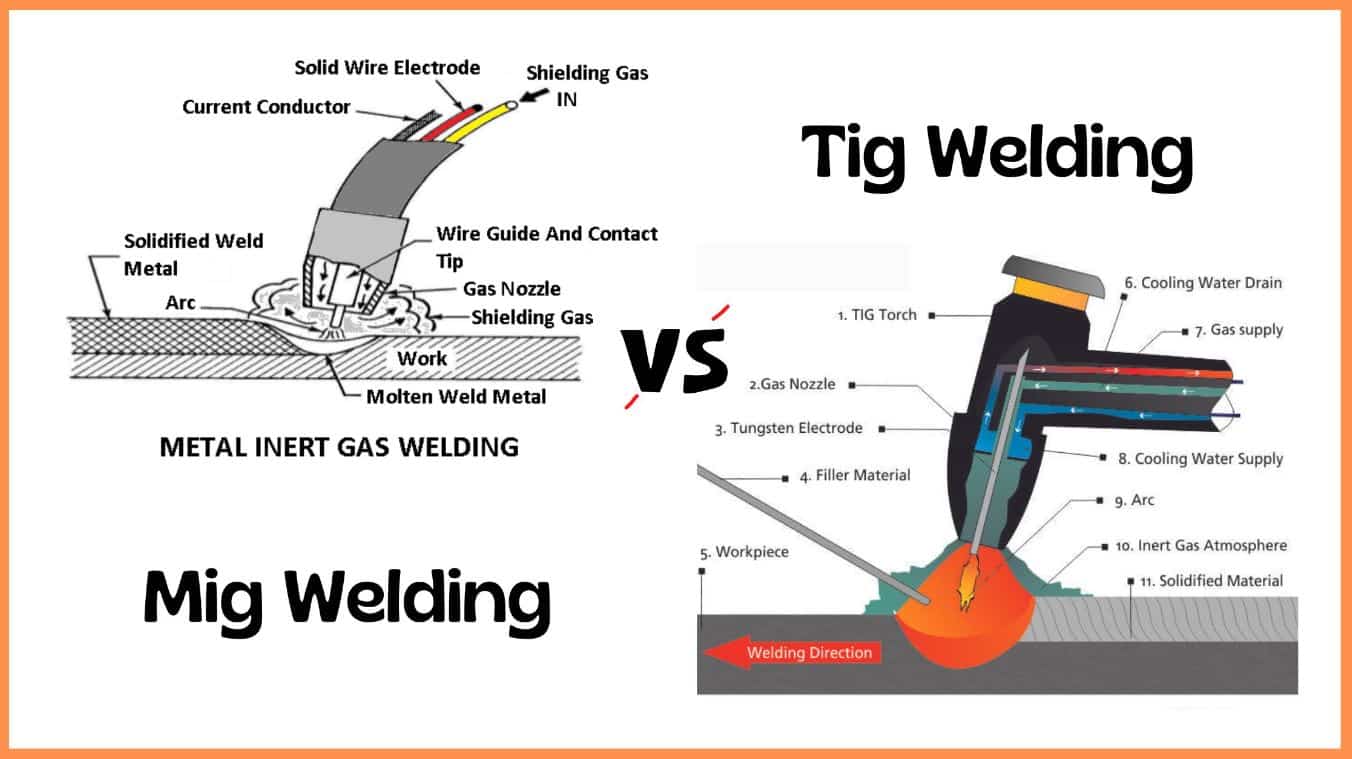
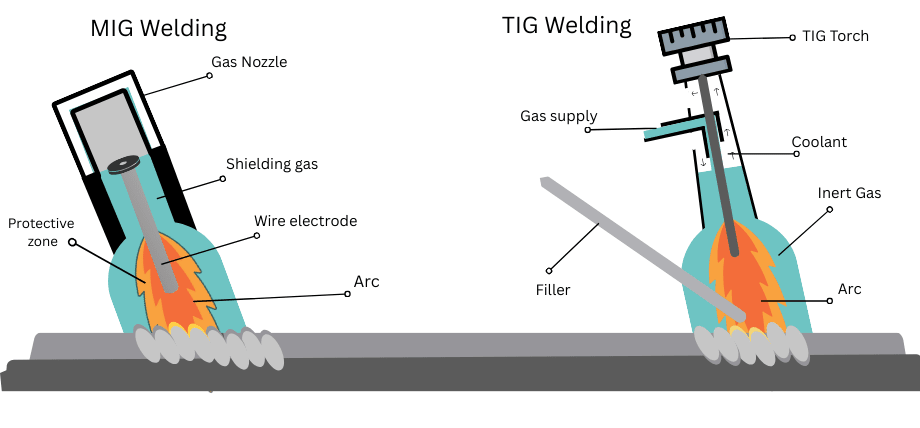
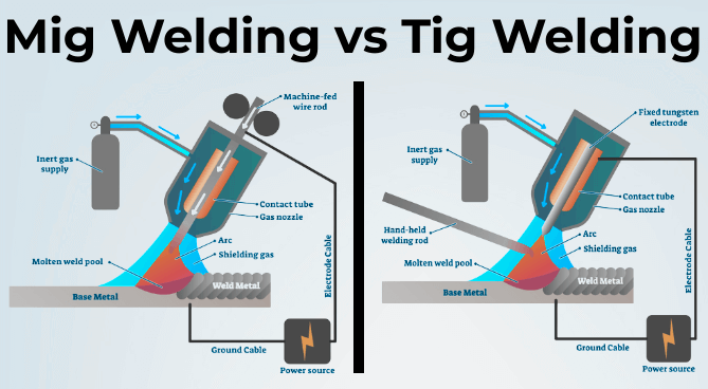
Let's start with MIG welding, often affectionately called the "hot glue gun for metal." Think of it as the friendly, approachable bouncer at the welding club. You pull the trigger, and zap! a continuous wire feeds out, melting into a puddle, shielded by gas. It's fast, it’s forgiving, and honestly, if you can squeeze toothpaste, you can probably make a decent MIG weld. It’s the go-to for production lines, automotive repairs, and building anything that needs to come together quickly and securely.
When it comes to strength, a good MIG weld is no slouch. We're talking about putting together everything from roll cages to structural steel beams. It holds things together with impressive tenacity. Imagine gluing two bricks together – that’s pretty strong, right? MIG excels at creating strong, durable joints, especially on thicker materials where speed is paramount. It’s like the reliable, burly friend who can lift anything, even if he sometimes gets a little messy.
Must Read
But here’s the thing: while generally strong, MIG welds can sometimes look a bit... rustic. Like a proud, lumpy casserole. They also demand a very clean surface. Try to weld over rust or paint with MIG, and you'll end up with what we call "Swiss cheese" – full of tiny air bubbles, or porosity, which are basically little weak spots just waiting for trouble. So, while it's strong, it's also a bit of a diva about surface prep.
TIG: The Zen Master of Metal!
Now, let's switch gears to TIG welding. If MIG is the friendly bouncer, TIG is the meticulous, artistic surgeon of the welding world. This process involves two hands, a foot pedal (like a gas pedal for heat), and an intensely focused gaze. You're holding a torch in one hand, feeding a filler rod with the other, all while tap-dancing with your foot to control the heat. It's a ballet of molten metal, patience, and extreme precision. It takes practice. A lot of practice. And probably a lot of colorful language in the beginning.
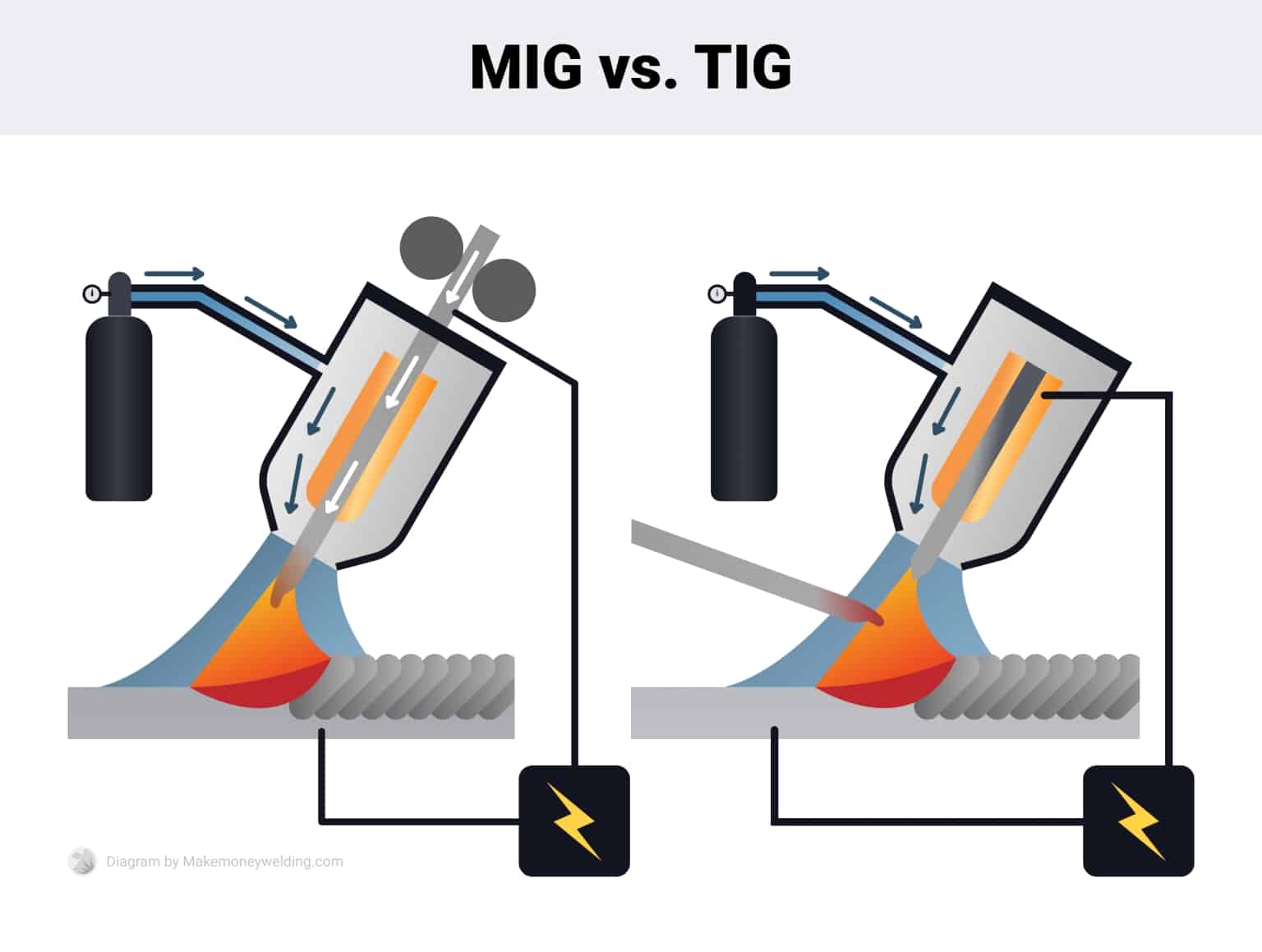
The results, however, are often breathtaking. TIG welds are typically beautiful. Smooth, uniform, with those iconic "stacked dimes" ripples that make other welders swoon. Think of them as the finely stitched seams on a bespoke suit. And the strength? Oh, the strength! TIG welds are renowned for their impeccable integrity. They're used in aerospace, medical devices, high-pressure piping, and anything where failure is absolutely, unequivocally not an option. Because the heat is so controlled and the filler metal is added independently, it offers superior control over the weld puddle and penetration.
Because of this control, TIG welds are often touted as inherently stronger. They're cleaner, more precise, and leave minimal spatter. It's like comparing a perfectly crafted dovetail joint to a rough nail job. The TIG weld just looks more robust, more trustworthy, and often, it truly is.
The Great Strength Showdown: A Twist!
Okay, so after all that, who wins? Is TIG the undisputed heavyweight champion of strength? Here’s the surprising punchline, the plot twist worthy of a Hollywood blockbuster: When done perfectly, with the correct parameters, joint design, and material, a good MIG weld and a good TIG weld on the same material can actually be remarkably close in terms of ultimate tensile strength.
Wait, what?! Yes, you heard me right. The inherent strength of the deposited weld metal, assuming it's sound and properly fused, doesn't dramatically favor one process over the other to the extent many believe. It's not about the process itself being "stronger," but rather about the likelihood of achieving a flawless weld, and the applications where each process shines.
Here’s the real deal:
- A bad TIG weld (porous, poor penetration, incomplete fusion) is undoubtedly weaker than a good MIG weld.
- Conversely, a sloppy MIG weld (full of spatter, cold lap, poor penetration) will be trashed by a masterful TIG weld.
The biggest factors influencing weld strength are actually:
- Welder Skill: This is probably the single most important variable. A master welder with MIG can often outperform a novice with TIG.
- Joint Preparation: Cleanliness, proper beveling, and fit-up are absolutely critical for both.
- Penetration: How deep the weld goes into the base metal is paramount.
- Filler Material: Matching the filler metal to the base metal is key.
- Shielding Gas: The right gas ensures a clean, strong weld.
TIG offers more control over these variables, making it easier to consistently achieve high-quality, high-strength welds, especially on thinner materials or in critical applications. It also allows for welding without filler metal on certain alloys, which means you're just fusing the base material itself, maintaining its original properties.
So, Who Wins? (It's Complicated, Darling)
In the grand scheme of "TIG vs. MIG Strength," it's less about which process is inherently superior and more about the welder, the application, and the execution. TIG gives you the precision tools to create welds with unparalleled integrity and beauty, making it the preferred choice for situations where every millimeter matters and aesthetics are important.
MIG, on the other hand, gives you speed and efficiency for robust, strong welds in high-volume or less critical scenarios. It’s fantastic for getting the job done quickly and reliably.
So, the next time someone asks you which is stronger, you can confidently tell them: "It depends!" Then lean in conspiratorially and whisper, "It’s not the wand, it’s the wizard." And perhaps offer them an imaginary hot dog, because we all know it's a sandwich.