Tidal Energy How Does It Work
Imagine standing on the beach, the vast ocean stretching out before you. You watch as the waves gently lap at the shore, then recede, only to return again. This rhythmic ebb and flow, this ancient dance of the tides, is one of nature’s most powerful and predictable spectacles. But what if I told you that this very dance, orchestrated by a celestial body millions of miles away, could also power your lights, your TV, and even your toaster? Welcome to the wonderful world of tidal energy!
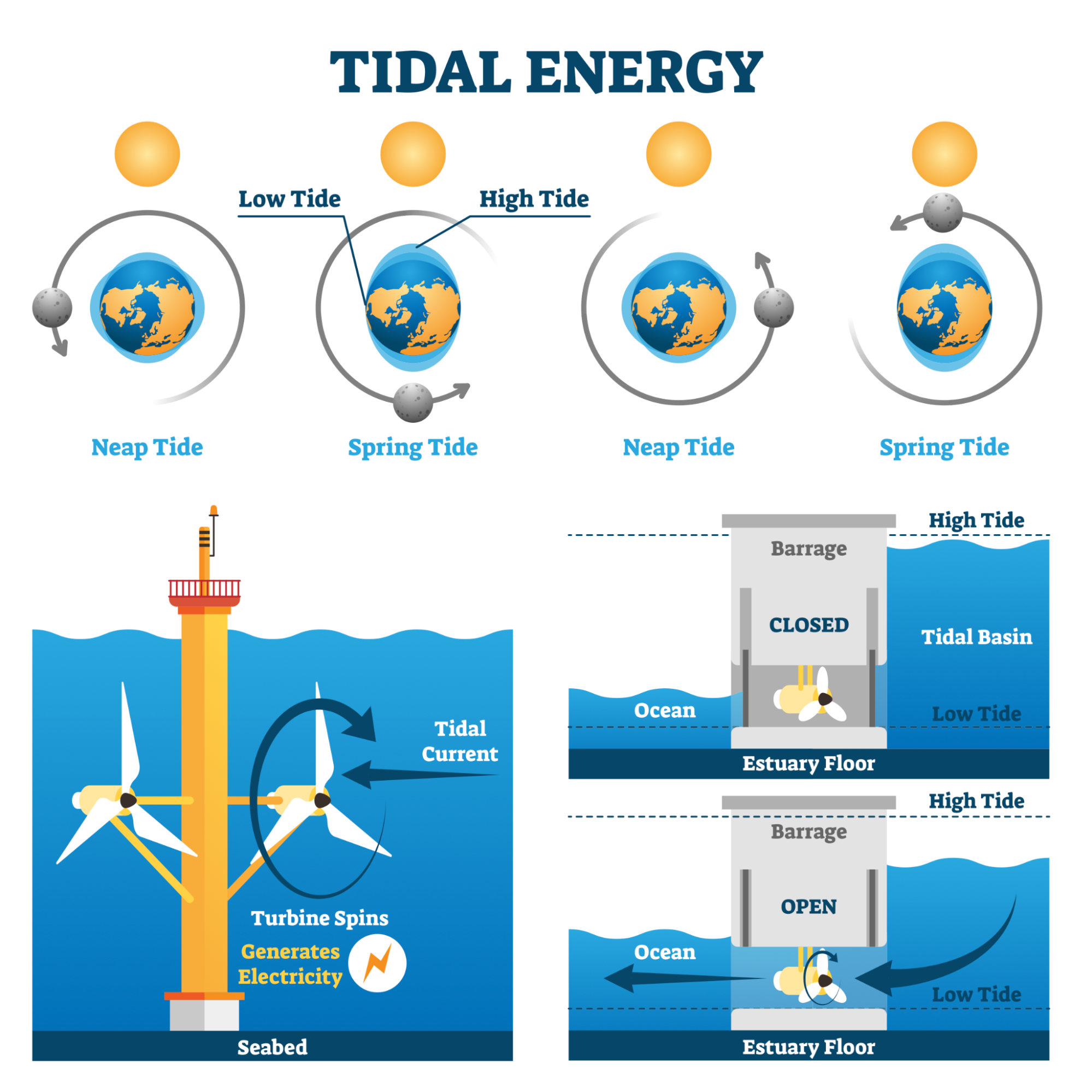
It’s a bit like discovering that the moon, that beautiful orb in the night sky, isn't just there for stargazing and romantic walks. Nope, our faithful lunar friend is actually a cosmic puppeteer, gently (or not so gently, depending on the tide!) tugging at our planet’s oceans with its gravitational pull. This pull creates bulges of water – high tide – and as the Earth rotates, those bulges move, creating the low tide elsewhere. It’s a twice-a-day, totally reliable performance, and we've figured out how to give it a job!
How Do We Catch This Wet Power?
Think of it like harnessing a river, but a river that magically flows both ways! There are a couple of clever ways engineers are turning the ocean's heartbeat into electricity.
Must Read
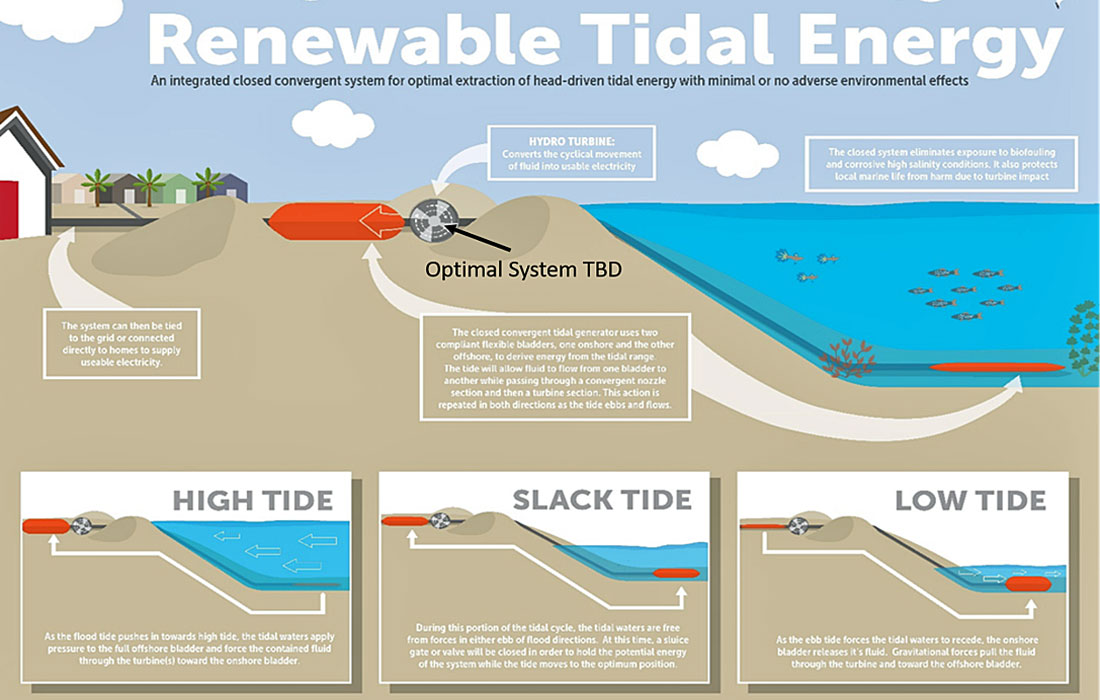
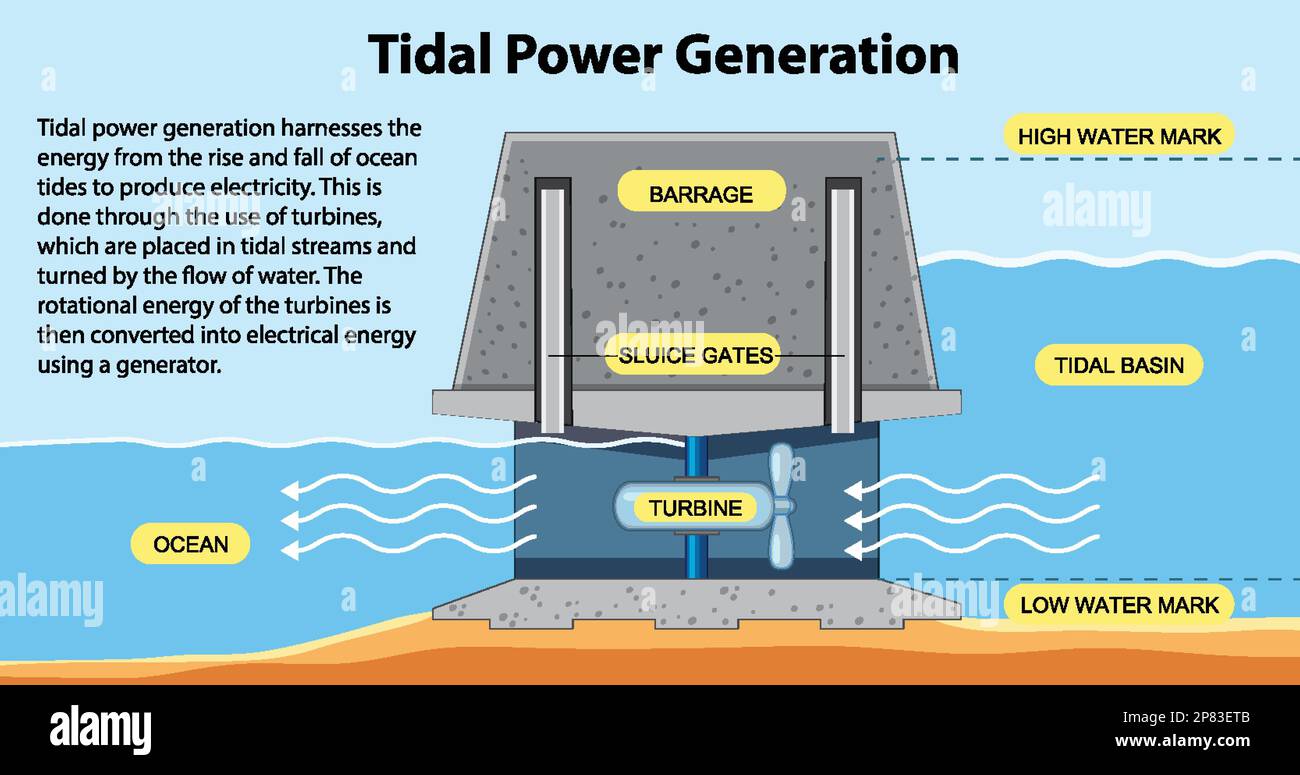
One method involves something called a tidal barrage. Picture a giant, friendly dam built across a bay or an estuary. When the tide comes in, gates within the barrage open up, letting a huge amount of water fill a basin on one side. Then, the gates close, trapping that water. As the tide outside the barrage drops, there's suddenly a big height difference between the trapped water and the lower sea level. What happens next? We let that trapped water flow out, rushing through turbines as it goes, spinning them like colossal pinwheels. Voila! Electricity is generated. It’s a bit like filling a bathtub and then letting the water drain out through a miniature power station – only on a much, much grander scale, and without any bubbly drama.
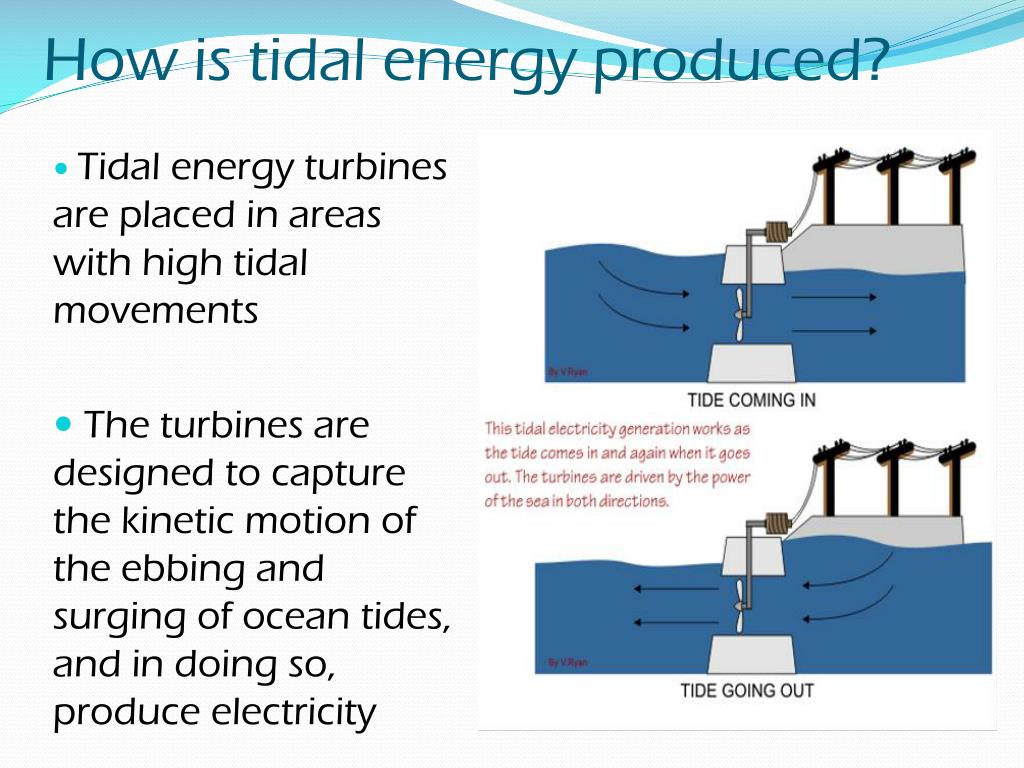
Another super-cool approach uses tidal stream generators. These are like the underwater cousins of wind turbines. Instead of needing a big wall, these sleek, propeller-like devices are anchored to the seabed in areas where tidal currents are particularly strong – think of narrow channels or straits where the water naturally speeds up. As the strong incoming or outgoing tide flows past them, it spins their blades, generating electricity directly. They sit there, often out of sight, silently harnessing the sheer force of the ocean's movement. It’s quite heartwarming to think of these submerged giants, quietly doing their part, blending seamlessly with the marine environment as fish swim gracefully around them.
"It’s like the ocean is giving us a regular, predictable high-five of energy, twice a day, every day!"
Why We Love This Liquid Gold
So, why is tidal energy such a big deal? Well, for starters, it’s incredibly predictable. Unlike solar panels that need sunshine or wind turbines that need a breeze, the tides are always there. The moon isn't going anywhere, and its gravitational pull is as reliable as sunrise. We can predict high and low tide years in advance, making tidal power a stable, dependable source of clean energy.
And let's not forget the "clean" part! Tidal energy doesn’t burn fossil fuels, doesn’t create greenhouse gases, and doesn’t produce harmful waste. It's truly a gift from Mother Nature, harnessing one of the Earth's most ancient and fundamental forces without harming our precious atmosphere. Engineers are also working incredibly hard to make these structures as friendly to marine life as possible, sometimes even designing them to become new habitats for sea creatures – a surprising twist where technology and nature find a new harmony.
Next time you find yourself gazing out at the vast, mesmerising ocean, remember the quiet revolution happening beneath the waves. The moon, that distant, luminous friend, is not just lighting up our nights; it’s helping to power our homes, one graceful tidal sway at a time. It’s a beautiful reminder that sometimes, the biggest energy solutions come from the simplest, most profound rhythms of our natural world.