
Through Hole For A 4 M Bolt

You know that feeling, right? You're in the zone, maybe assembling some flat-pack furniture, or fixing a wobbly shelf, or even putting together a cool new gadget. You've got your parts, your little baggie of fasteners, and your trusty screwdriver. Everything's going swimmingly until… thunk. The bolt just won't go through the hole. It's supposed to be the right size! You swear it is! You push, you wiggle, you might even gently tap it with a hammer (don't tell anyone), and still, it snags, binds, or just plain refuses to budge. Cue the frustrated sigh and the inevitable scramble for a drill bit that's "just a hair bigger."
That, my friends, is a universal experience. And it's exactly what we're diving into today: the seemingly simple, yet surprisingly nuanced, world of drilling a through-hole for a bolt. Specifically, we're going to pick on the little guy: the M4 bolt.
What Even Is An M4 Bolt?
First things first, let's demystify "M4." When you see "M" followed by a number on a bolt, that's typically referring to a metric bolt (hence the 'M'). The number, in this case '4', refers to the bolt's nominal major diameter in millimeters. So, an M4 bolt has a nominal outer diameter of its threaded shaft of, you guessed it, 4 millimeters.
Must Read
Now, here's where the plot thickens a bit. If your bolt is 4mm, surely the hole should also be 4mm, right? Logically, yes! Practically... nope. And this is where the magic (or the frustration) of the through-hole comes in.
Why A 4mm Hole Isn't For A 4mm Bolt
Imagine trying to push a 4mm peg into a perfectly 4mm hole. In a perfect world, with perfect manufacturing, perfect alignment, and no friction, it might just barely slide in. But we don't live in a perfect world, do we? This is why we need clearance. A little wiggle room, a tiny buffer, a bit of breathing space for the bolt.
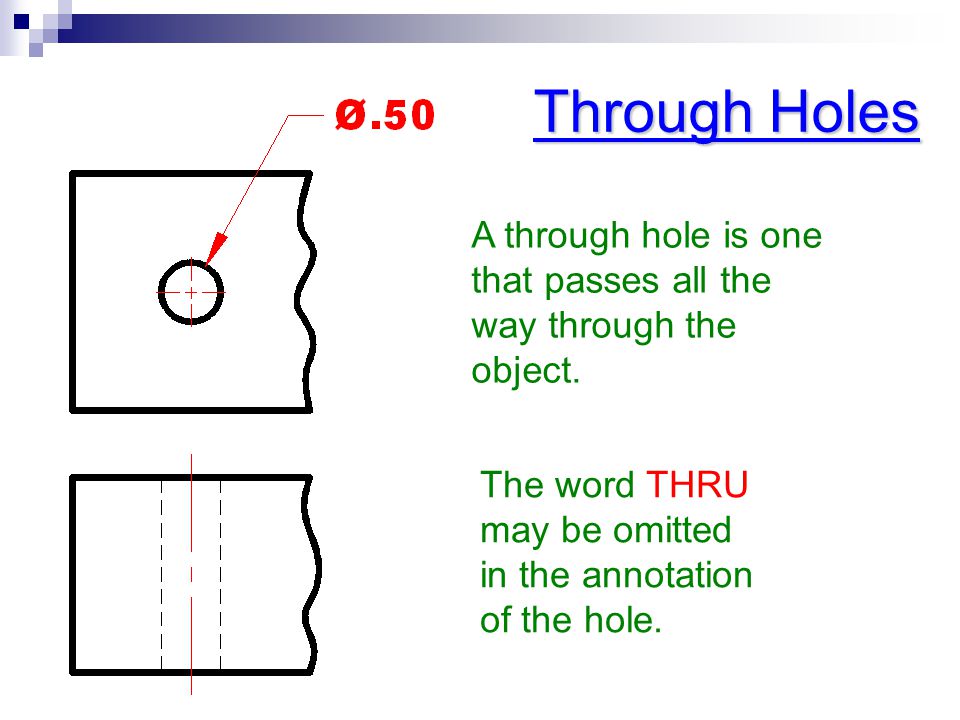
Without clearance, that bolt would bind, get stuck, or simply refuse to enter, especially if you're trying to align it through multiple components. This isn't a threaded hole we're talking about (that's a whole other ballgame with different drill sizes for tapping!), this is a hole designed for the bolt to pass straight through before meeting a nut or a threaded part on the other side.
The Sweet Spot: What Drill Bit For An M4 Bolt?
So, if not 4mm, then what? This is where standard practices come in. For a typical, general-purpose through-hole for an M4 bolt, you're generally looking at drill bit sizes between 4.5mm and 5mm.
-
4.1mm - 4.2mm (Close Fit): If you need things to be super snug and precisely aligned, and you're confident in your drilling accuracy and the lack of paint/coatings, you might go for something in this range. But honestly, it's often more trouble than it's worth for a simple through-hole. You'll probably still need a tap from your hammer.
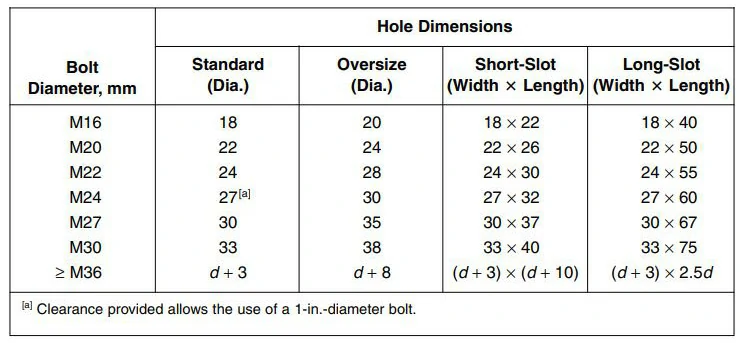
4 Types Of Bolt Holes And Their Specification According To AISC — Civil -
4.5mm (Normal Fit): This is the gold standard for a comfortable, general-purpose fit for an M4 bolt. It provides enough clearance for easy assembly, accommodates minor misalignments, and generally just makes life easier. Many hardware stores will have a 4.5mm drill bit, which is a good sign it's a common choice.
-
4.8mm - 5.0mm (Loose Fit): Need more slop? Maybe for components that need to pivot slightly, or where there's a higher chance of misalignment, or perhaps a thick coat of paint is going to be applied. A 4.8mm or 5.0mm drill bit gives you a bit more forgiveness. Just be aware that too much clearance might mean your connection isn't as rigid, and you might need a washer to spread the load effectively.
Why Does That Little Bit Of Clearance Matter So Much?
It boils down to a few practical realities:

-
Ease of Assembly: Nobody wants to fight with a bolt. A bit of clearance means the bolt slides in smoothly, saving you time and frustration (and skinned knuckles).
-
Manufacturing Tolerances: Neither your bolt nor your drill bit is exactly 4mm or 4.5mm. There are tiny variations. Clearance accounts for these imperfections.
-
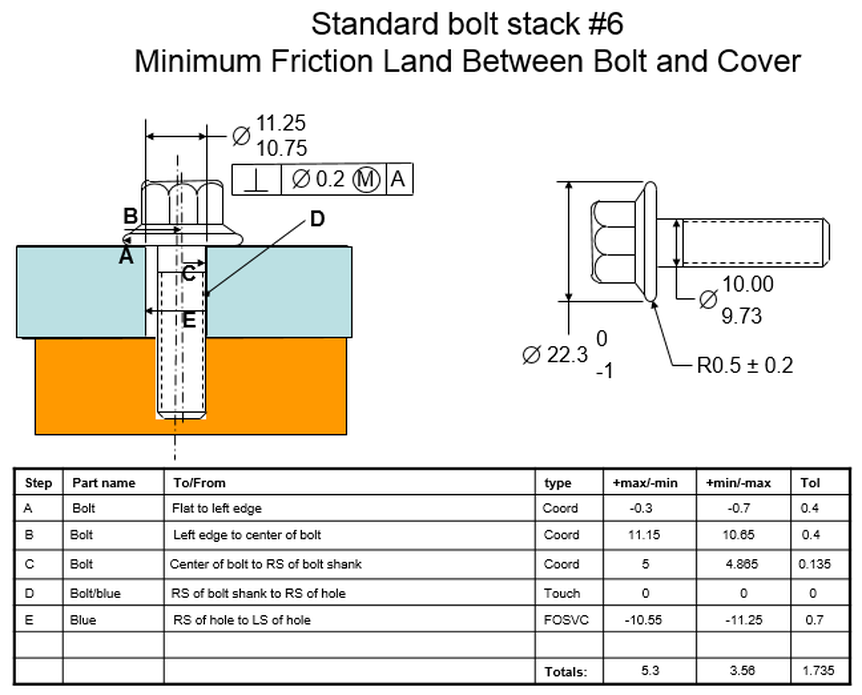
Alignment: If you're drilling through two or more pieces of material, it's incredibly hard to get all the holes perfectly aligned. A larger through-hole gives you a crucial margin of error.
Bolt Stacks - Dimensional Consulting -
Coatings & Swarf: Paint, powder coating, even tiny metal shavings (swarf) left in the hole can reduce its effective diameter. Clearance handles this.
So, next time you're faced with an M4 bolt and a drilling decision, resist the urge to grab that 4mm drill bit! Unless you're going for some extremely precise interference fit (which you're usually not for a simple through-hole), you'll thank yourself for going just a little bit bigger. 4.5mm is your friend.
It's these small, seemingly insignificant details that can turn a frustrating DIY project into a smooth, satisfying success. Happy drilling, my friends! And may all your bolts slide in without a fight.