
Thermal Conductivity Of 304 Stainless Steel
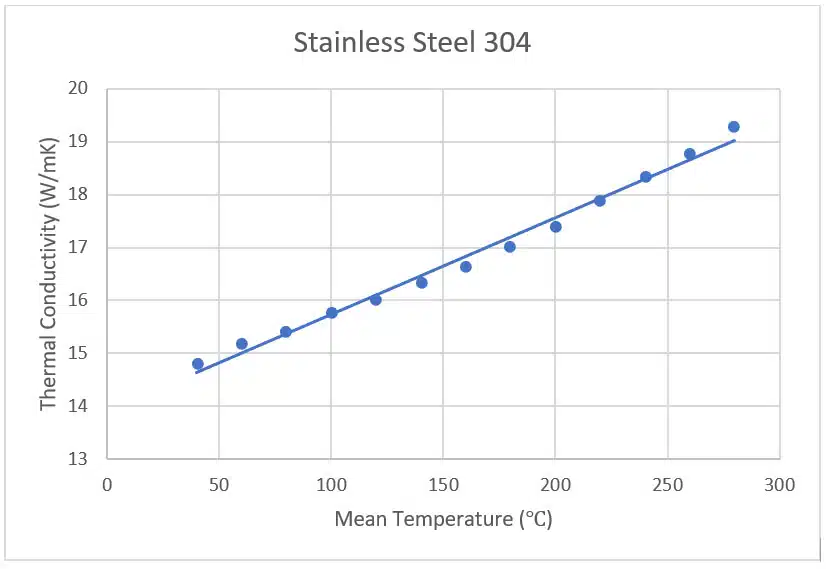
Okay, let's talk stainless steel, specifically the 304 variety, and its amazing (or not-so-amazing, depending on your perspective) ability to conduct heat. Think of it like this: remember that time you grabbed a metal spoon you left in a hot pot on the stove? Yeah, that searing "OW!" moment? That's heat conductivity at work, baby!
But here's the thing about 304 stainless steel: it's not exactly a heat-conducting superstar. It's more like that friend who tries their best at the gym but is mostly there for the social aspect. They participate, sure, but they're not winning any marathons anytime soon.
The Basics (Without the Boring Bits)
So, what's this "thermal conductivity" we're yakking about? Simply put, it's how well a material allows heat to pass through it. Materials with high thermal conductivity, like copper, are heat-transfer champions. 304 stainless steel? Let's just say it's lagging a bit behind. Its thermal conductivity typically falls somewhere in the 14.9 to 16.3 W/m·K range at room temperature. That figure itself isn’t so important - what is important is that compared to other metals used for similar applications, 304 stainless steel has a relatively low thermal conductivity.
Must Read
Think of it like this: copper is like a super-efficient water slide, letting the heat zoom right through. 304 stainless steel is more like a lazy river…the heat will get there eventually, just don't expect it to be in a hurry.
Why This Matters (In the Real World)
Why should you care about this obscure-sounding property? Well, it affects a bunch of stuff you encounter every day. Imagine you're cooking with a stainless steel pan. Because 304 stainless steel isn't a fantastic conductor, you might notice uneven heating. You could end up with some parts of your food perfectly cooked while others are still…well, not so much. That's why many high-quality stainless steel pans have a copper or aluminum core – those metals are much better at spreading the heat evenly.

Ever wondered why some travel mugs are made of stainless steel? It's not just for durability. While it's not the best insulator on its own, stainless steel's relatively low thermal conductivity does help slow down the transfer of heat (or cold) between your beverage and the outside world. It’s a key player in keeping your coffee hot (or your iced tea refreshingly chilly). Think of it as a buffer, a bit of a heat traffic jam, preventing your drink from becoming lukewarm too quickly.
The Good News: Strength and Corrosion Resistance
Okay, so 304 stainless steel might not be winning any heat-conducting awards, but it’s still a rockstar in other departments! It’s incredibly strong and remarkably resistant to corrosion. That's why you see it used in everything from kitchen sinks to architectural structures to medical implants. It can withstand a beating and won't rust easily, which is a pretty big deal.
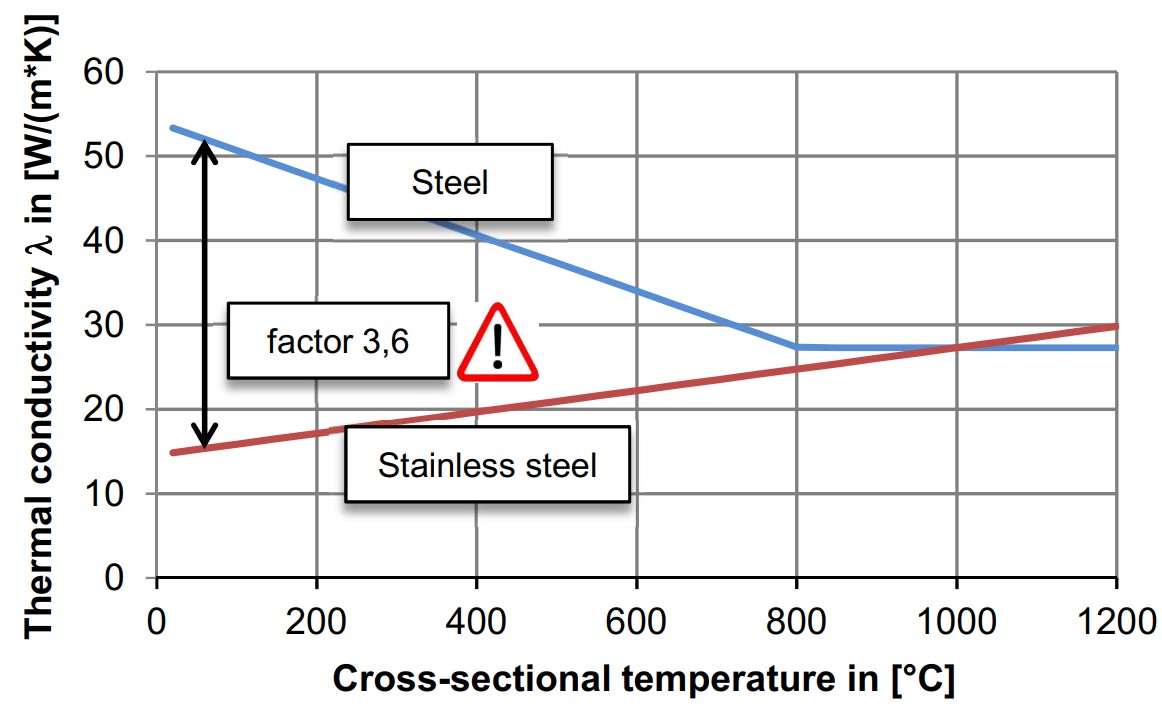
It's like that friend who's not the best dancer at the party but is always there to lend a helping hand and offer unwavering support. You might not choose them for a dance-off, but you’d definitely want them by your side in a crisis.
In a Nutshell
304 stainless steel has a moderate thermal conductivity. It won’t win any races transferring heat quickly, and it may cause uneven heating in some applications. However, its strength and corrosion resistance make it a very popular material for a wide variety of products. So the next time you're using a stainless steel utensil or admiring a stainless steel building, remember that there's more to this versatile metal than meets the eye!
It's all about finding the right tool for the job. While 304 stainless steel isn't perfect for every application, its combination of properties makes it a winner in many situations. Think of it as the jack-of-all-trades of the metal world – good at many things, even if it's not the absolute best at any one particular thing.

