
The Shape Of Earth's Orbit Around The Sun Is

Okay, folks, buckle up! We're about to take a wild ride, not in a rocket (though wouldn't that be awesome?), but in our brains! We’re talking about the shape of Earth's orbit around our glorious sun.
Forget the Perfect Circle!
I know, I know. We've all seen those diagrams in textbooks, the ones where Earth zooms around the sun in a perfectly round circle. Toss that image right out the window!
Seriously, picture throwing a pizza dough – does it land perfectly round every time? Nope! That’s closer to what Earth’s orbit actually looks like. A slightly squashed circle, more like a flattened-out frisbee.
Must Read
The real term for this shape is an ellipse. Sounds fancy, right? Don’t let it intimidate you. Think of it as a slightly stretched-out circle that's been given a gentle smoosh.
What’s an Ellipse Anyway?
Imagine you have two thumbtacks on a board and a loop of string. Stretch the string out with a pencil and trace around the tacks. The shape you get? That’s an ellipse!
The closer the tacks are together, the rounder your ellipse becomes. The farther apart, the more elongated it gets. In the case of Earth's orbit, the sun sits at one of these thumbtack points, which scientists call a focus.
Yes, just one of the points, imagine having the Sun sitting slightly off-center. That creates the slightly irregular orbit where sometimes the earth is closer to the sun and sometimes a bit farther.
So, Earth is Always the Same Distance from the Sun, Right? Wrong!
Because Earth's orbit is an ellipse, our distance from the sun actually changes throughout the year. Mind. Blown.
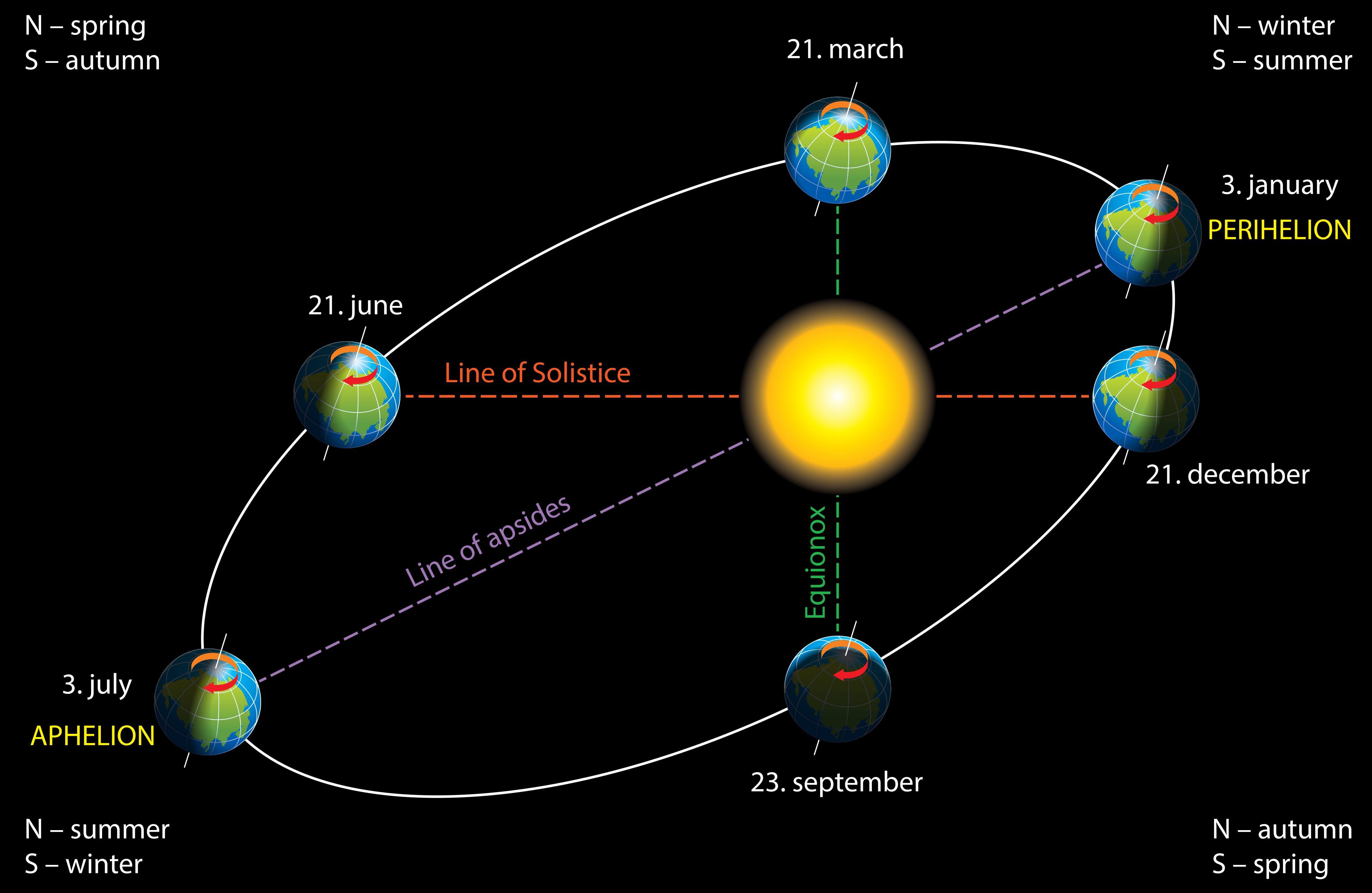
There’s a point in our orbit when we're closest to the sun – this is called perihelion. And guess what? It happens in January! Northern Hemisphere winter, the Earth is closest to the Sun, a cosmic joke!
Then, there’s a point when we're farthest away, called aphelion. This happens in July, when the Northern Hemisphere is enjoying the sun’s embrace.
But Wait, Doesn’t that Mean Summers Should be Hotter in the Southern Hemisphere?
That’s a fantastic question! And the answer is… not really. While the changing distance does affect the amount of solar radiation we receive, it’s not the biggest factor in our seasons.
The tilt of Earth's axis is the real MVP here. The angle at which sunlight hits different parts of the Earth throughout the year is what drives our seasons.
So, while the Earth's elliptical orbit might seem significant, the tilt is what truly dictates the changing weather.
Eccentricity: Measuring the Squish
Scientists have a fancy term for how "squished" an ellipse is: eccentricity. A perfect circle has an eccentricity of 0, while a really long, skinny ellipse has an eccentricity closer to 1.
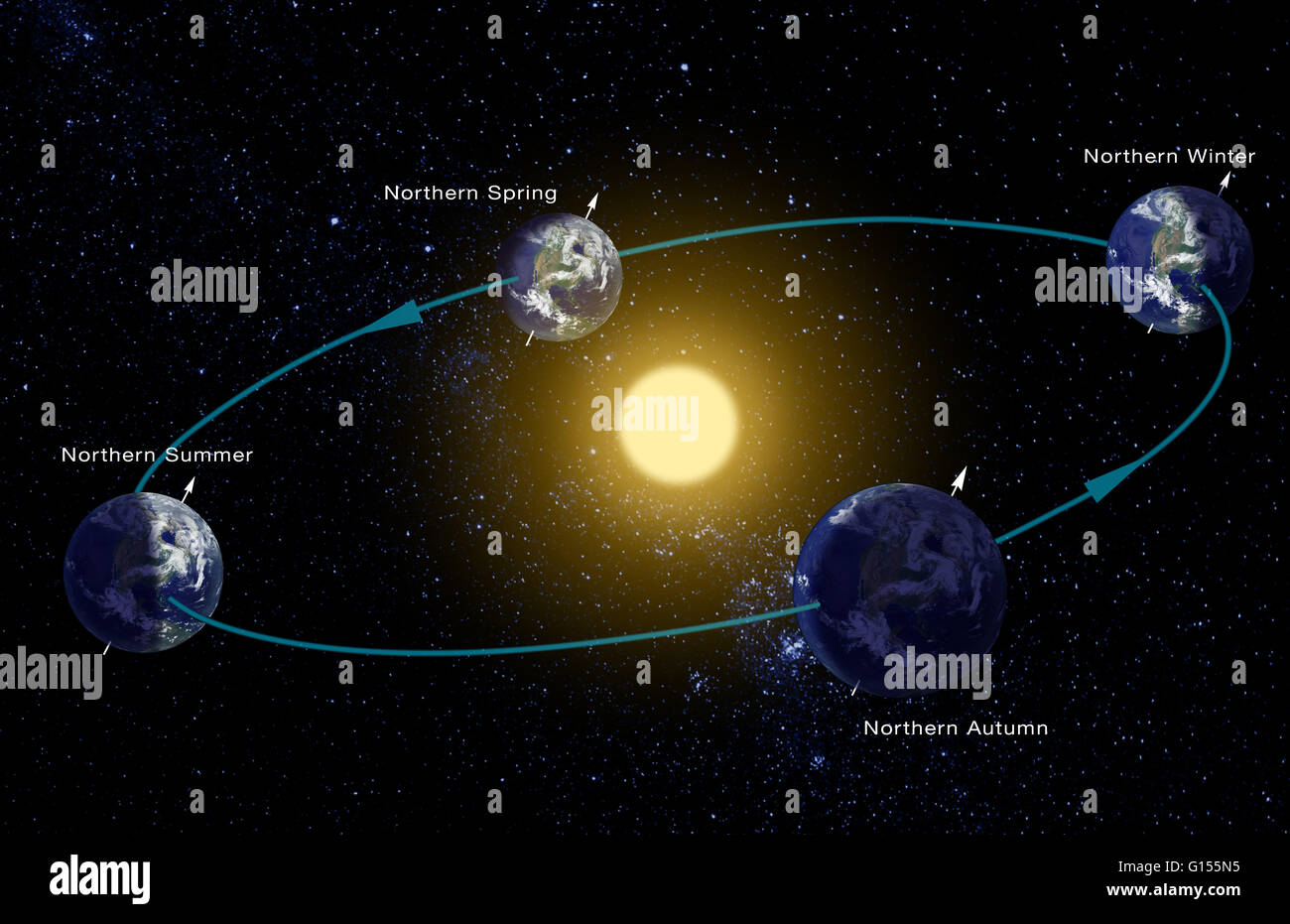
Earth's orbit has a very low eccentricity, around 0.0167. That means it's almost a circle. If you drew it on a piece of paper, you'd be hard-pressed to tell it wasn't perfectly round!
Think of it like a slightly deflated basketball – it’s still pretty round, but you can tell it's not quite perfect.
Other Planets, Other Orbits
Earth isn't the only planet with an elliptical orbit. In fact, all the planets in our solar system travel in ellipses around the sun.
Some planets have more eccentric orbits than others. Mars, for example, has a noticeably more elliptical orbit than Earth’s, while Venus boasts an orbit so close to a perfect circle it's almost boring!
Pluto (yes, I went there!) has a highly eccentric orbit, which is one of the reasons it's now classified as a dwarf planet. It crosses Neptune's orbit at times!
Why Does This Matter?
Okay, so Earth's orbit isn't a perfect circle. Why should we care? Well, understanding the shape of our orbit and how it changes over time is important for several reasons.

First, it helps us understand Earth's past climate. Changes in Earth's orbit, along with changes in its axial tilt and precession (the wobble of Earth's axis), are thought to drive long-term climate cycles, like ice ages.
These cycles, known as Milankovitch cycles, have played a significant role in shaping the Earth's environment over millions of years.
Predicting the Future (Sort Of)
By studying these cycles, scientists can get a better understanding of how the Earth's climate might change in the future. They can use this information to create climate models and make predictions about future warming trends.
It's like having a celestial crystal ball, although instead of predicting lottery numbers, it helps us anticipate the potential impacts of climate change. This is helpful to take actions to mitigate them.
Of course, climate modeling is incredibly complex, but understanding Earth's orbit is a key piece of the puzzle.
The Big Takeaway
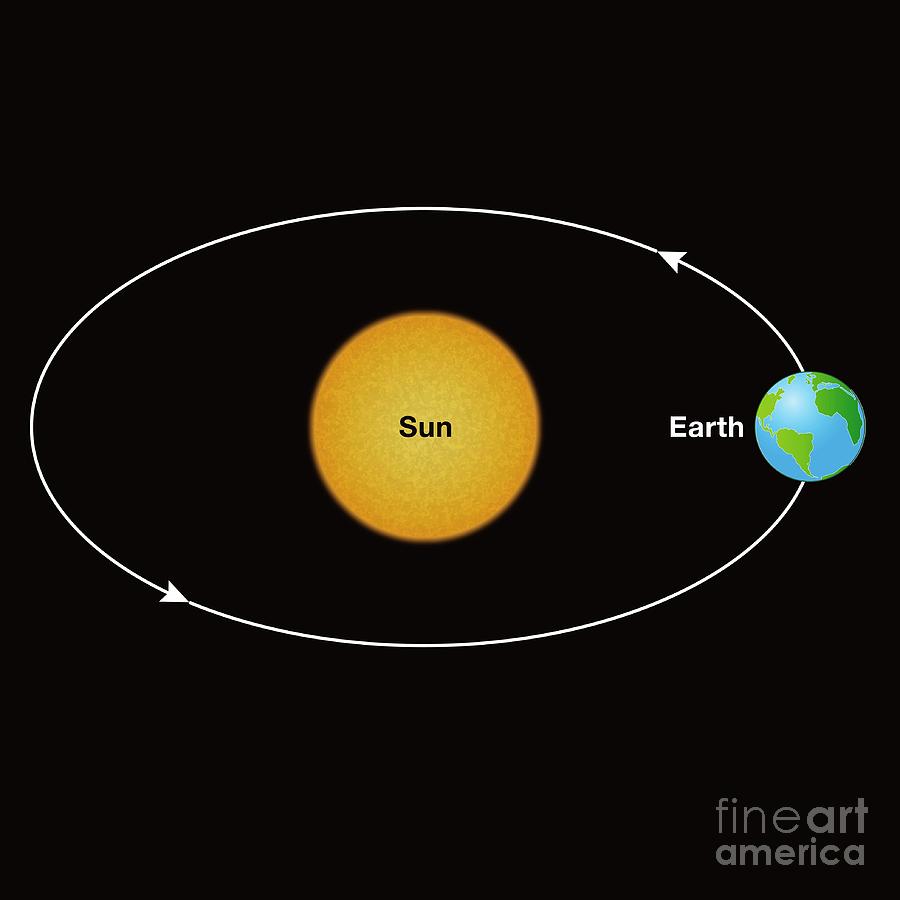
So, there you have it! Earth's orbit around the sun is an ellipse, not a perfect circle. It's a slightly squished circle that affects our distance from the sun throughout the year.
This might seem like a minor detail, but it's an important factor in understanding Earth's climate and its place in the solar system.
Next time someone tries to tell you that Earth's orbit is perfectly round, you can confidently (and politely) correct them. You're now an expert on elliptical orbits!
Go Forth and Amaze Your Friends!
Now that you're armed with this knowledge, go out and share it with the world! Amaze your friends with your newfound understanding of celestial mechanics.
Impress your family with your knowledge of perihelion and aphelion. Become the go-to source for all things orbit-related!
And remember, science is awesome! It's all about asking questions, exploring the unknown, and having fun along the way. So, keep learning, keep exploring, and keep looking up at the stars!