
The Piece Of Metal Is Magnetic Physical Or Chemical

Okay, so picture this: I'm rummaging through my junk drawer (we all have one, admit it!), and I find this random metal thingamajig. I have no idea what it is. Looks like a piece of a broken gadget, maybe? Intrigued, naturally, I grab the closest magnet from the fridge – a souvenir from that time I accidentally went to a cheese convention (long story for another day). And… bam! It sticks. Instantly. Now, my brain immediately went into science mode: "Is this a physical thing or a chemical thing?" Deep, right?
That's what we're diving into today: is magnetism a physical property or a chemical one? Let's get down to brass tacks, shall we? (See what I did there? Brass isn't magnetic. Ha!)
Physical vs. Chemical: The Lowdown
First, a quick refresher. Physical properties are characteristics you can observe or measure without changing the substance's chemical composition. Think color, density, melting point, and – you guessed it – magnetism. Chemical properties, on the other hand, describe how a substance reacts with other substances to form new ones. Flammability and reactivity with acids are good examples.
Must Read
So, consider rusting. That's a chemical change. Iron reacts with oxygen and water to create iron oxide (rust). A completely new substance is formed. But can you tell if something’s magnetic just by looking at it, without actually changing what it is? Yes! Hence...back to our original point...
It’s important to keep these two properties in mind. They're not mutually exclusive. Some properties need a reaction (chemical) to observe, others don't (physical).

Magnetism: Definitely Physical
Here's the deal: Magnetism is a physical property. When a piece of metal is attracted to a magnet, its chemical composition doesn't change. It's still the same metal, just…sticking. The atoms inside that metal have tiny magnetic fields, and when those fields align, the metal becomes magnetic. This alignment is a physical phenomenon. (Think of it like lining up dominoes – the dominoes themselves don’t change, just their position relative to each other.)
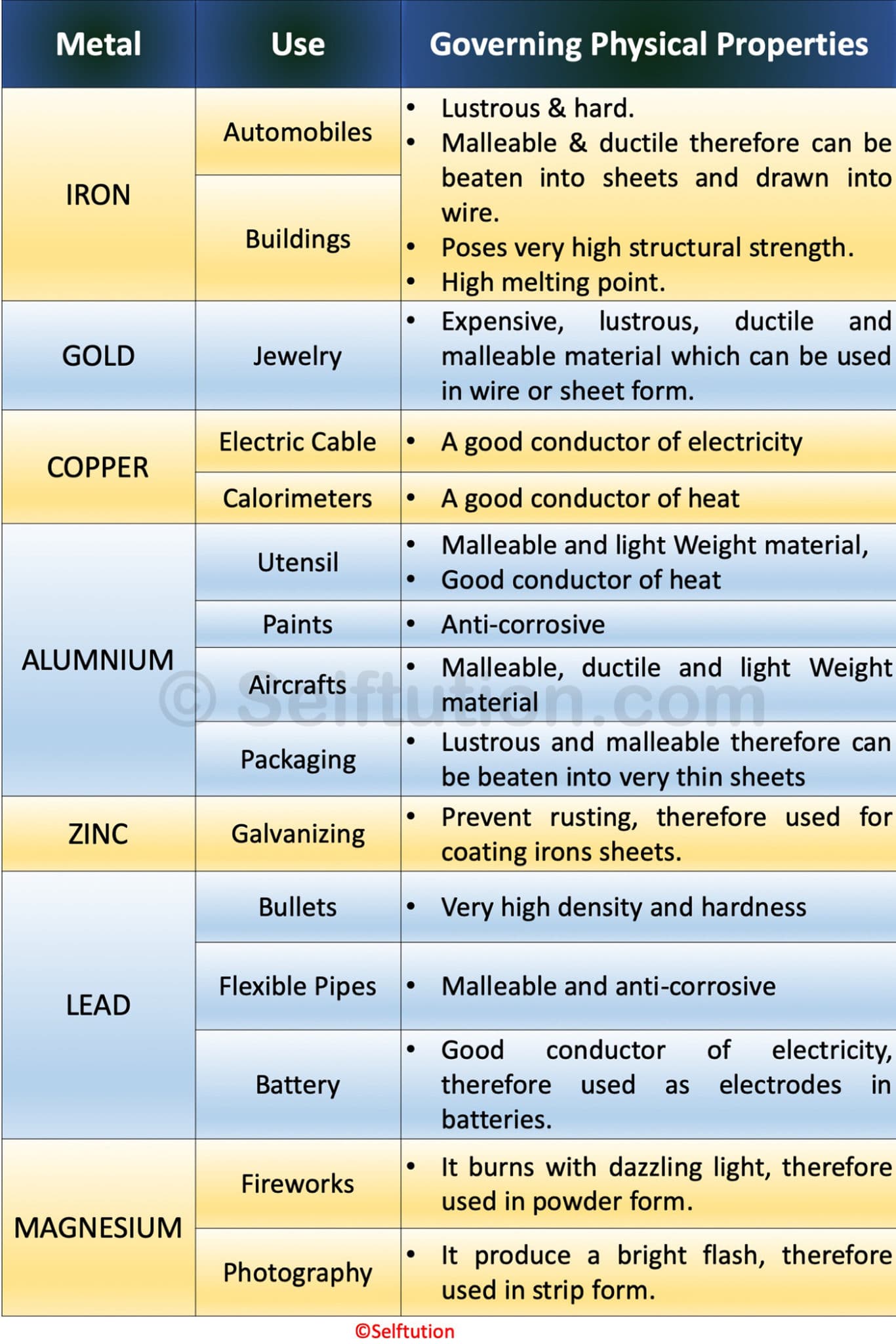
Now, here’s a fun fact: not all metals are magnetic. Iron, nickel, and cobalt are the big three you probably already know. But other materials can also exhibit magnetic properties under certain conditions. It’s all down to the arrangement of their electrons, which can get a bit complex. I won’t bore you with quantum physics (unless you’re really into that sort of thing). However it is important to keep it in mind to understand that not all metals are magnetic.
Side note: ever tried sticking a magnet to gold? Nope! Gold is non-magnetic.
But Wait, There's a Catch! (Isn't There Always?)
Okay, okay, so pure magnetism is a physical property. However, you can chemically change a substance to alter its magnetic properties. For instance, you could create a new alloy (a mixture of metals) that's more or less magnetic than its individual components. The process of creating the alloy is a chemical change, and the resulting difference in magnetism is a consequence of that change. Tricky, right? (I like to think of chemistry and physics as frenemies. They're always borrowing each other's stuff.)
Even more, you can impact metals by other chemical reactions, such as oxidation, which might prevent the metals to attract to a magnet as strongly or at all.
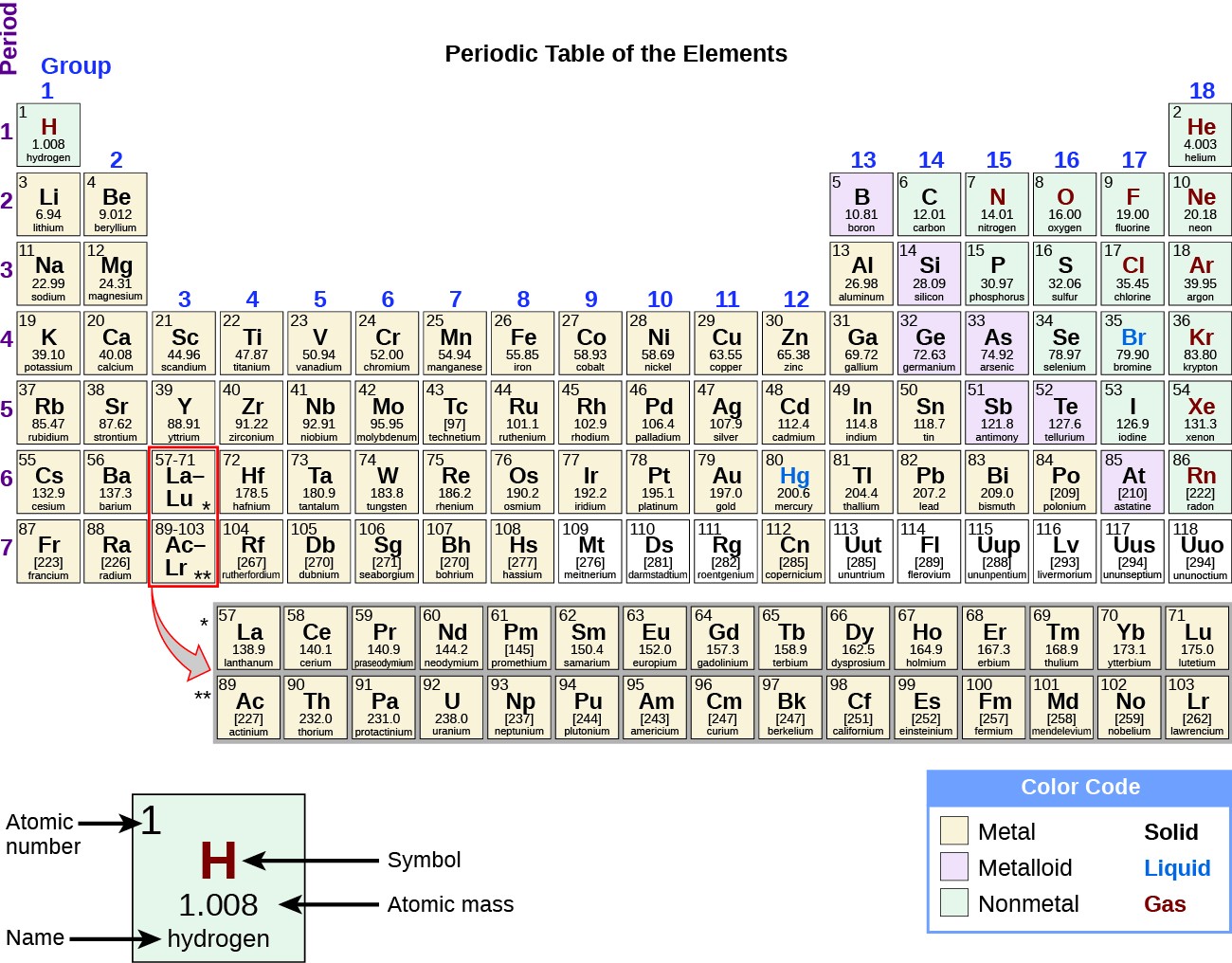
We could also talk about magnetic materials that aren't metals at all, like certain ceramic compounds. Their magnetism arises from their chemical structure and the arrangement of their atoms. But again, it's the magnetic property itself that's physical. (Are you still with me? I hope I haven't lost you in the scientific weeds!)
The Junk Drawer Revelation, Revisited
So, back to my mystery metal thingamajig. The fact that it stuck to the magnet tells me a few things: first, it contains a magnetic material like iron, nickel, or cobalt. Second, that its physical property of magnetism is apparent. It doesn't tell me anything definitive about its chemical composition without further testing. I'd need to do some more investigating to figure out exactly what it is and where it came from. (Maybe it's from that cheese convention after all!)
The next time you find something sticking to a magnet, you will remember that it’s an awesome demonstration of a basic physical property. Now, go forth and explore your own junk drawers…scientifically, of course!
