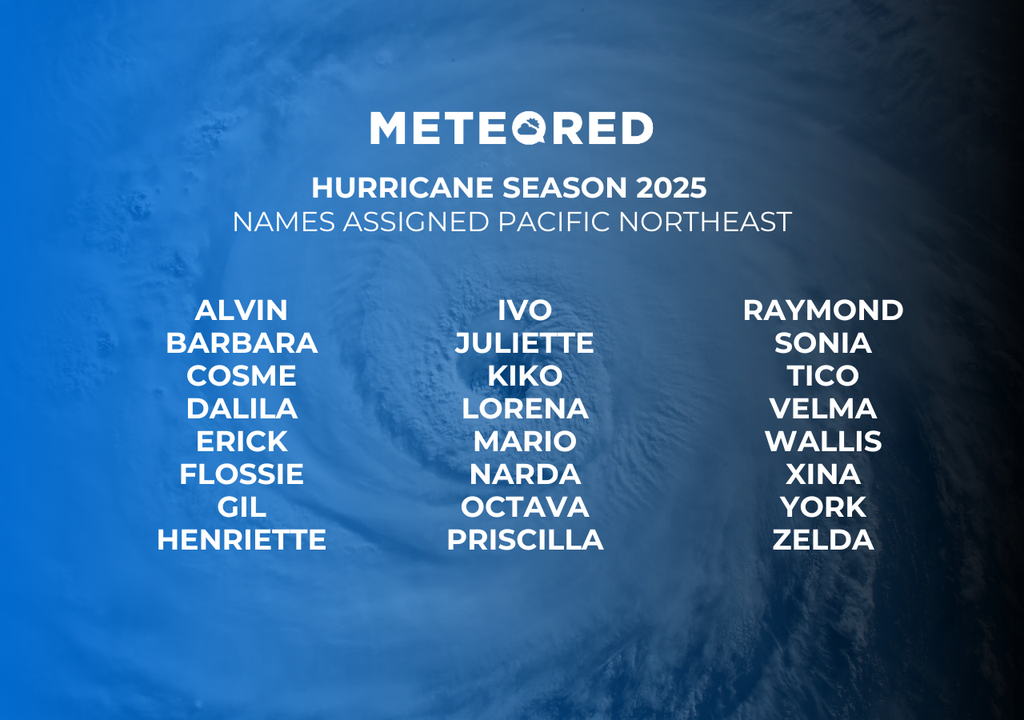
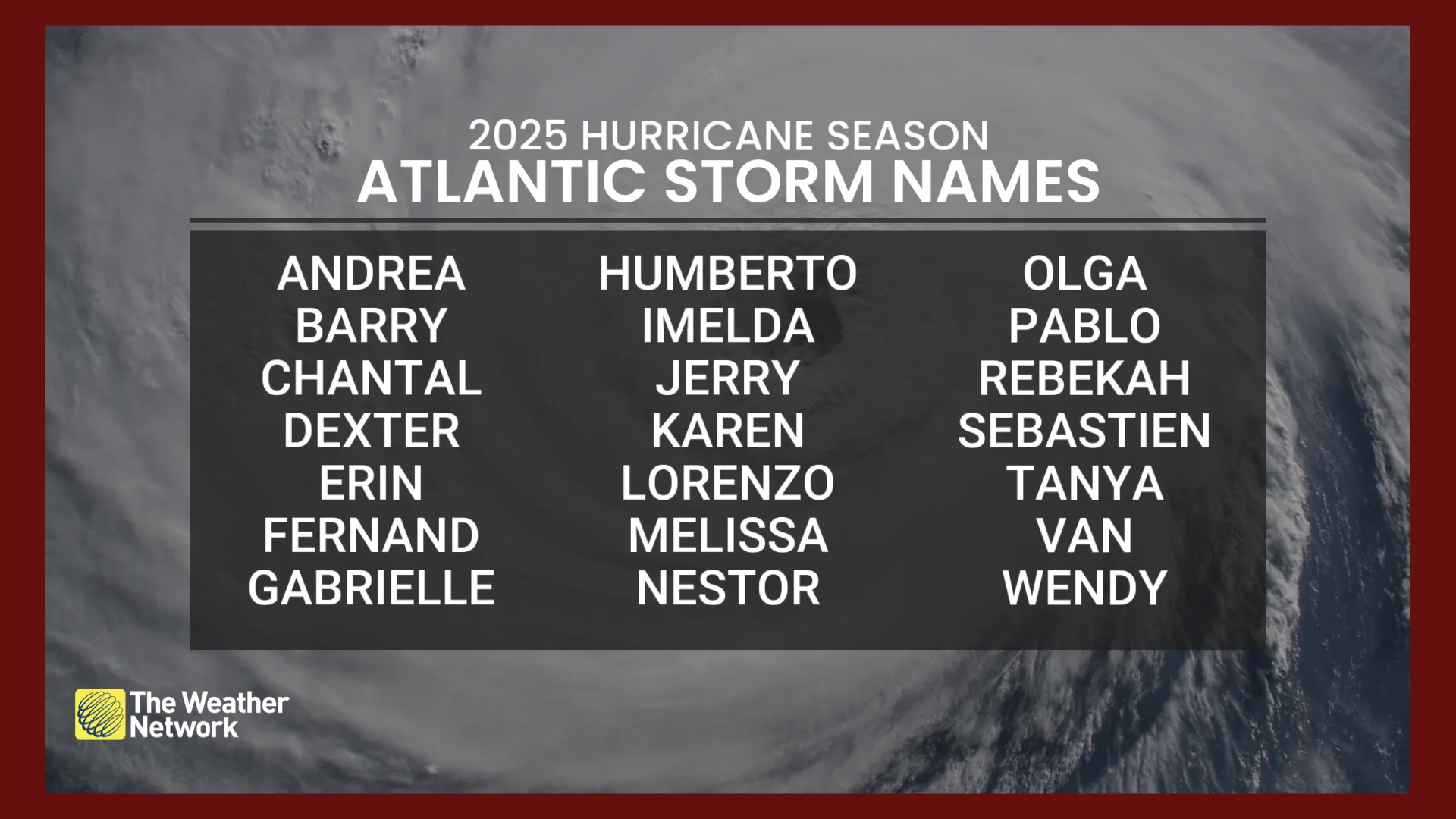
The Name Of The New Hurricane
There's something uniquely captivating about the arrival of a new hurricane season, isn't there? It's not just the dramatic satellite images or the scientific jargon that grabs our attention. Often, what truly anchors these colossal weather events in our collective consciousness is something surprisingly simple: a name. We humans are creatures of narrative, and giving a name to something as immense and impersonal as a tropical cyclone instantly makes it feel... well, personal. We debate them, we remember them, and in some strange way, the name itself becomes shorthand for the storm's legacy. It's like the universe is playing a giant game of "Simon Says," and we're all leaning in to hear what Simon – or rather, the National Hurricane Center – calls the next big player on the meteorological stage.
But beyond the sheer entertainment value of speculating on whether the next storm will be an Arthur or a Zelda, these names serve an absolutely vital purpose in our everyday lives. Imagine for a moment if we didn't name hurricanes. How would emergency services distinguish between two active storms? How would news outlets report on specific threats without causing mass confusion? How would you even know which storm's evacuation orders applied to you? Hurricane names are essentially crystal-clear communication devices. They cut through the noise, allowing meteorologists, disaster relief agencies, and the general public to refer to a specific, evolving threat with unambiguous clarity. This clarity isn't just convenient; it's a matter of life and death, ensuring that crucial information about storm paths, intensities, and emergency instructions reaches the right people at the right time. Furthermore, names create a historical record, helping us learn from past events, making "Hurricane Katrina" or "Hurricane Sandy" much easier to recall and reference than "the third major hurricane of 2005."
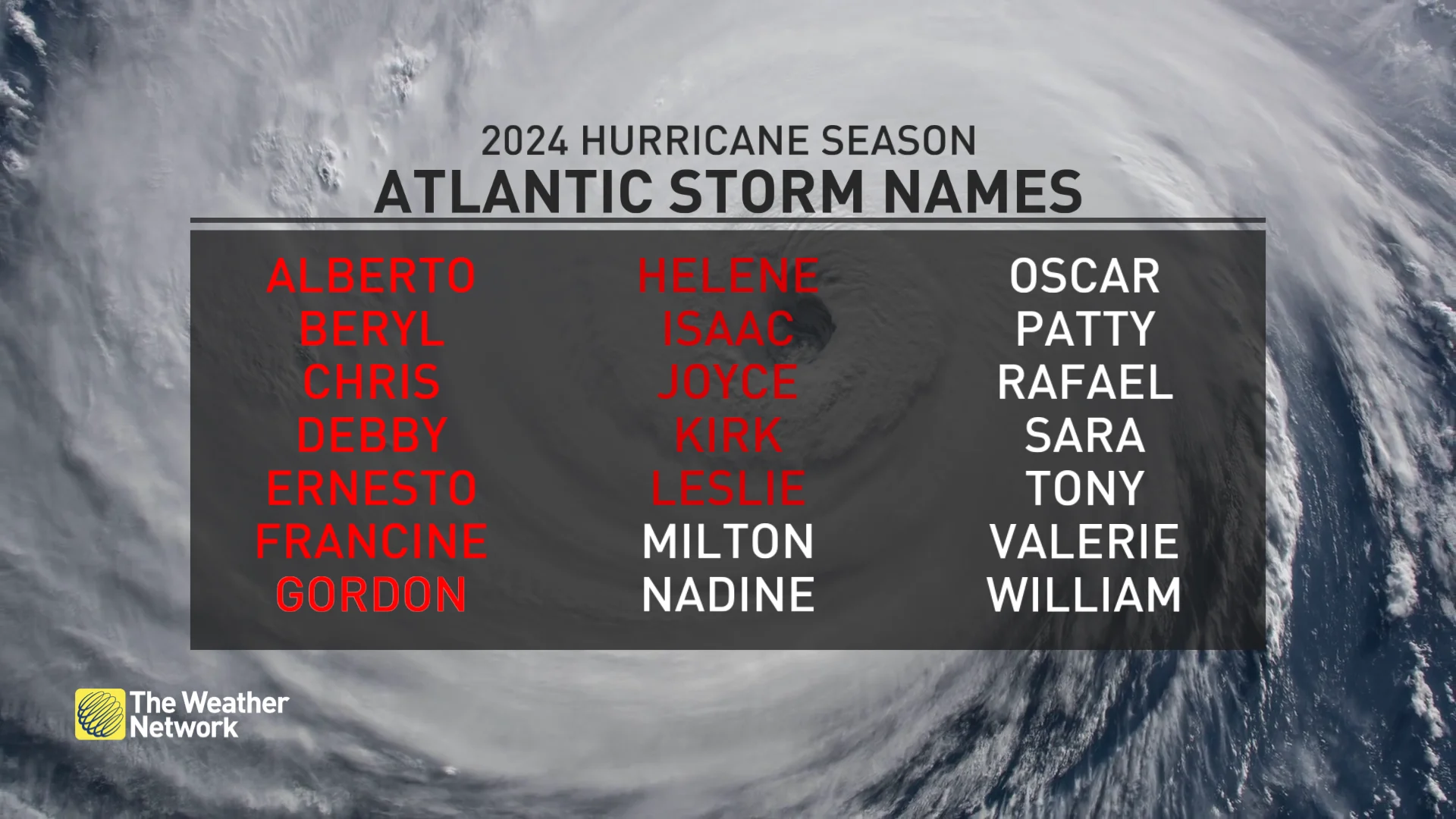
The application of this naming system is surprisingly consistent and global. For the Atlantic basin, we use pre-determined lists of alternating male and female names, cycling through them alphabetically each season. When a storm is particularly devastating, its name is retired forever – a somber honor reserved for storms like Hugo, Andrew, or Maria, ensuring their infamous legacy is never reused. These lists are established years in advance, giving us a peek into the future roster of potential weather makers. So, when a weather report warns of "Tropical Storm Harold forming off the coast," you know exactly which swirling mass of atmospheric drama they're referring to, even if there are half a dozen other disturbances in the ocean.
Must Read
So, how can you engage with this system more effectively, beyond just rubbernecking at the latest moniker? First and foremost, remember that a hurricane's name is merely its label, not its personality. Don't get too fixated on the name itself; instead, use it as a trigger to pay attention to official advisories. When you hear a new name announced, consider it your personal cue to check the latest forecast from trusted sources like the National Hurricane Center or your local weather authority. Use the name to track its progress, understand its potential impact on your region, and crucially, to make a plan. A quirky name might be fun to discuss, but the underlying storm is a serious natural phenomenon. Use the name as a practical identifier to stay informed, prepare your home and family, and always respect the immense power Mother Nature wields, regardless of what she's decided to call her next big act.