The Main Source Of Energy For A Hurricane Is The
Ever feel like your grumpy neighbor's endless yard work is powered by some unseen, malevolent force? Or that your kid’s tantrum is fueled by something beyond a simple sugar crash? Well, hurricanes have a similar secret sauce, except instead of passive-aggressive leaf blowing or miniature rage monsters, we’re talking about terrifying storms with winds strong enough to send your prize-winning gnome collection soaring into the next county.
So, what’s the fuel that keeps these swirling dervishes of destruction spinning? It's not unicorn tears, although that would be a lot more interesting. Nope, the main source of energy for a hurricane is good ol’ warm ocean water.
Evaporation: Nature’s Espresso Shot
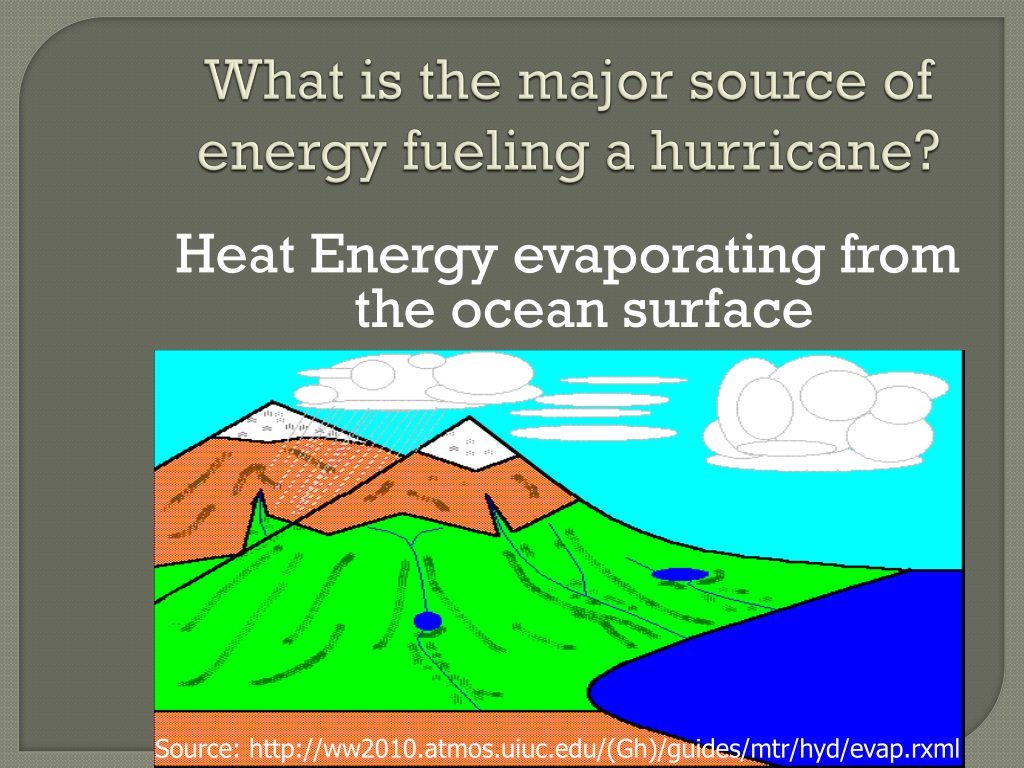
Think of it this way: imagine you're making a pot of coffee. You heat the water, right? And what happens? Steam rises! That’s evaporation, baby! The same thing happens with warm ocean water, only on a massive scale. The warm water evaporates, turning into water vapor and rising into the atmosphere. It's like the ocean is brewing a gigantic, caffeinated storm. I bet Poseidon is a regular.
Must Read
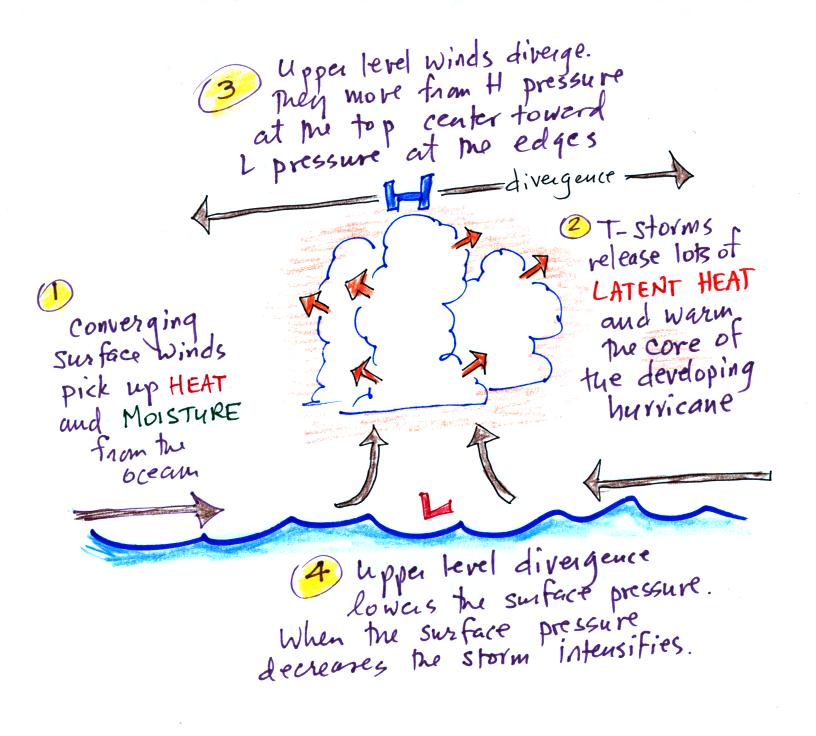
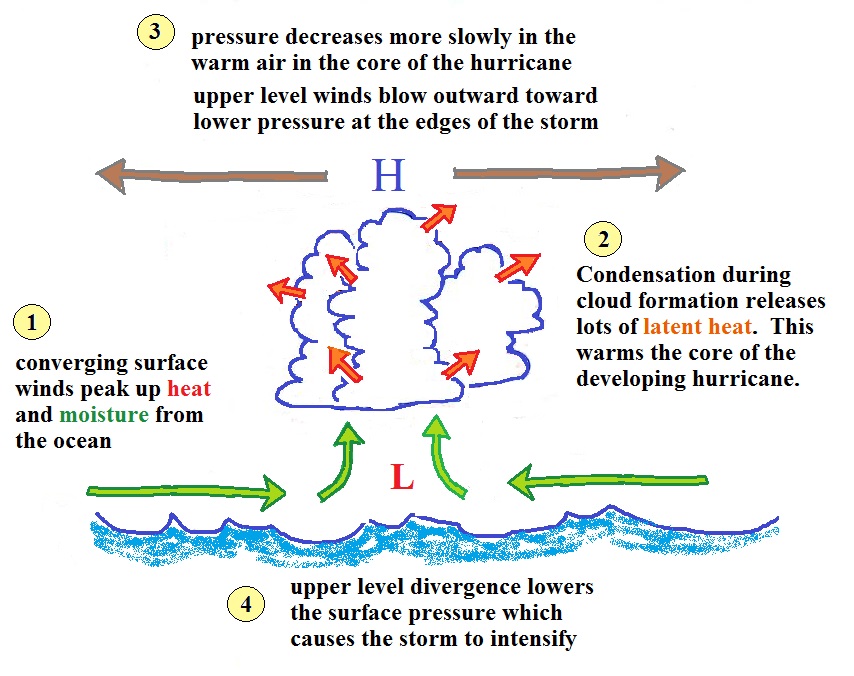
Now, this water vapor isn’t just floating around aimlessly. As it rises, it cools and condenses back into liquid water, forming clouds. This condensation process releases heat, which is known as latent heat. It's like the coffee pot burping out a huge puff of warmth every time it makes a fresh cup. This released heat warms the surrounding air, causing it to rise even more, drawing in more warm, moist air from the ocean surface. It’s a self-perpetuating cycle of stormy goodness (or badness, depending on your perspective).
Basically, the hurricane is chugging down the ocean’s evaporated espresso shots, getting stronger and more wired with every gulp.

The Warm Water Connection
The warmer the water, the more water vapor evaporates, and the more “espresso” the hurricane gets. That's why hurricanes are most common during late summer and early fall when ocean temperatures are at their peak. It’s like the ocean is finally deciding to give that solar panel a run for its money.
Think of it like this: You wouldn’t try to bake a cake in a cold oven, right? You need the heat to make things rise and bake properly. Similarly, a hurricane needs warm water to really get cooking. Cold water is like a soggy sponge thrown on a campfire; it just dampens everything and kills the party.
This is why hurricanes tend to weaken when they move over colder water or land. They’re essentially running out of fuel, like a toddler who’s finally exhausted after a four-hour screaming fit. They just peter out.
Latent Heat: The Real MVP
Okay, so we talked about the warm water, but latent heat is the unsung hero here. It's like the secret ingredient in your grandma's famous cookies – you know it’s there, but you don’t necessarily know why it makes them so darn good.
Without latent heat, the rising air would cool too quickly and stop rising. The hurricane would basically collapse on itself like a deflated bouncy castle. Latent heat provides the energy and momentum needed to keep the whole system going, spinning, and generally causing havoc.

So, next time you're feeling the wrath of a hurricane, remember it's not just wind and rain. It’s a complex system powered by warm water and a whole lot of latent heat, like the ultimate recipe for a natural disaster smoothie.
And hey, at least now you have a slightly better understanding of what's going on. Though honestly, when the wind is howling and your patio furniture is performing an impromptu aerial ballet, understanding the science might be the last thing on your mind! Just remember to hunker down, stay safe, and maybe brew yourself a pot of coffee (powered by that same energy principle, kinda!)
One last fun fact: the lack of warm water can be a hurricane's kryptonite. So, sometimes, the best defense against a hurricane is simply letting it run out of its liquid, warm, watery fuel.