
The Lanthanides And Actinides Belong Between
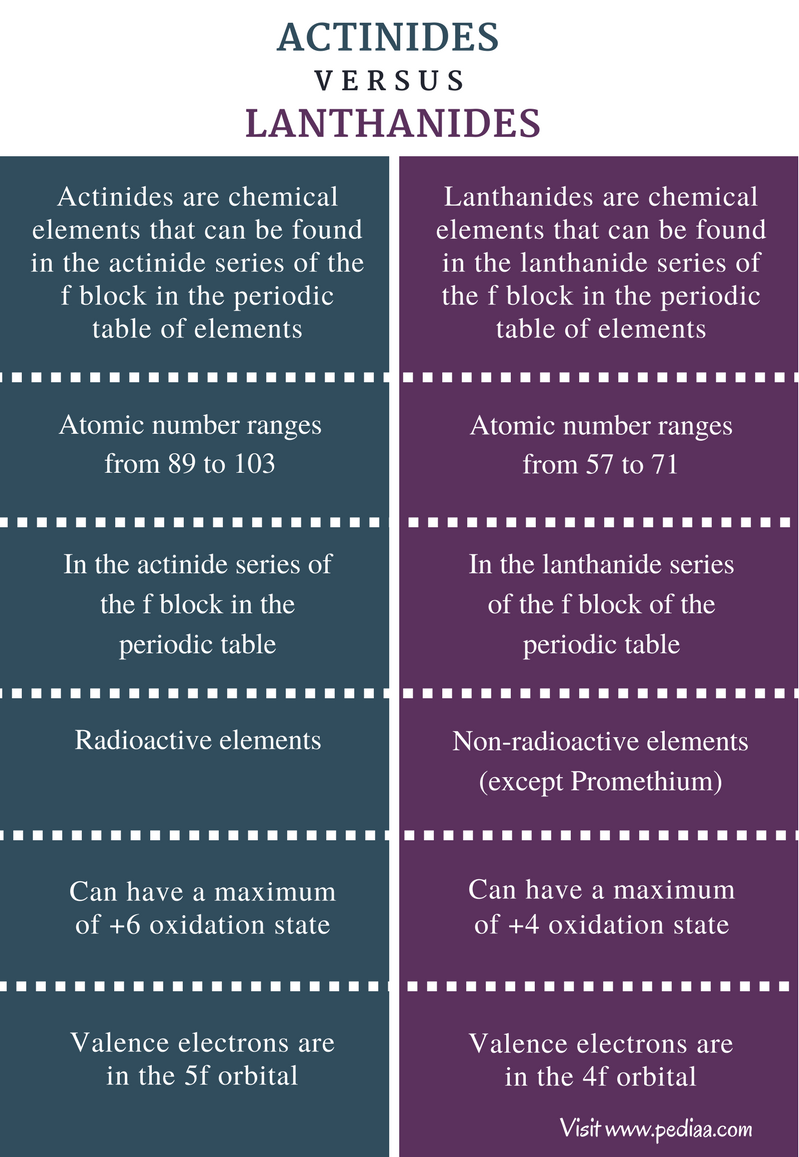
Ever looked at a periodic table and noticed that little detached section at the bottom? That's where our story begins. It's like the VIP lounge of elements, hosting the lanthanides and actinides. These guys belong between the main rows, but for practical reasons, they chilling at the bottom.
The Periodic Table's Awkward Middle School Dance
Imagine the periodic table as a school dance. All the elements are arranged by how they behave, kind of like grouping the jocks with the jocks and the chess club with the chess club. Then you have the lanthanides and actinides, these two groups don't quite fit in with the other groups.
Instead of making the dance floor super long and unwieldy, the dance organizers – those brilliant chemists – decided to tuck them neatly below. It's like having a designated breakdancing zone for the super energetic elements! They could dance along the table, but it makes more sense to keep their break dancing out of the way, at the bottom!
Must Read
The Lanthanides: Earth's Hidden Treasures
The lanthanides, also known as the rare earth elements, are a family of shiny, silvery-white metals. Despite the name, they aren't actually that rare! It's more that they are widely distributed and hard to separate from each other.
Think of them as a bunch of siblings who are always together, making it tricky to tell them apart. These "rare earth" elements power our smartphones, laptops, and even wind turbines. Europium, for example, is the reason your TV screen has such vibrant colors. They are everywhere!
It's kind of funny to think that this family of elements, often overlooked on the periodic table, is essential to modern technology. They are truly a hidden gem, or rather, a bunch of hidden gems!

The Actinides: The Radioactive Rebels
Now, let's talk about the actinides. These are the rule-breakers of the periodic table! All of them are radioactive, meaning their atoms are unstable and constantly releasing energy. Some of them are found naturally, others are synthetically made in labs.
Uranium, perhaps the most famous of the actinides, is used in nuclear power plants to generate electricity. Plutonium, another well-known actinide, is also used in nuclear weapons and some specialized power sources. Their reactions are not to be trifled with!
The actinides are a potent bunch, demanding respect. They are the James Dean of the periodic table, always pushing the limits and exhibiting radical reactivity.
Why the Bottom? It's All About Space!
So, why are these two families banished to the bottom of the periodic table? The answer is simple: space. If we were to insert the lanthanides and actinides where they truly belong, the periodic table would become incredibly long and impractical.
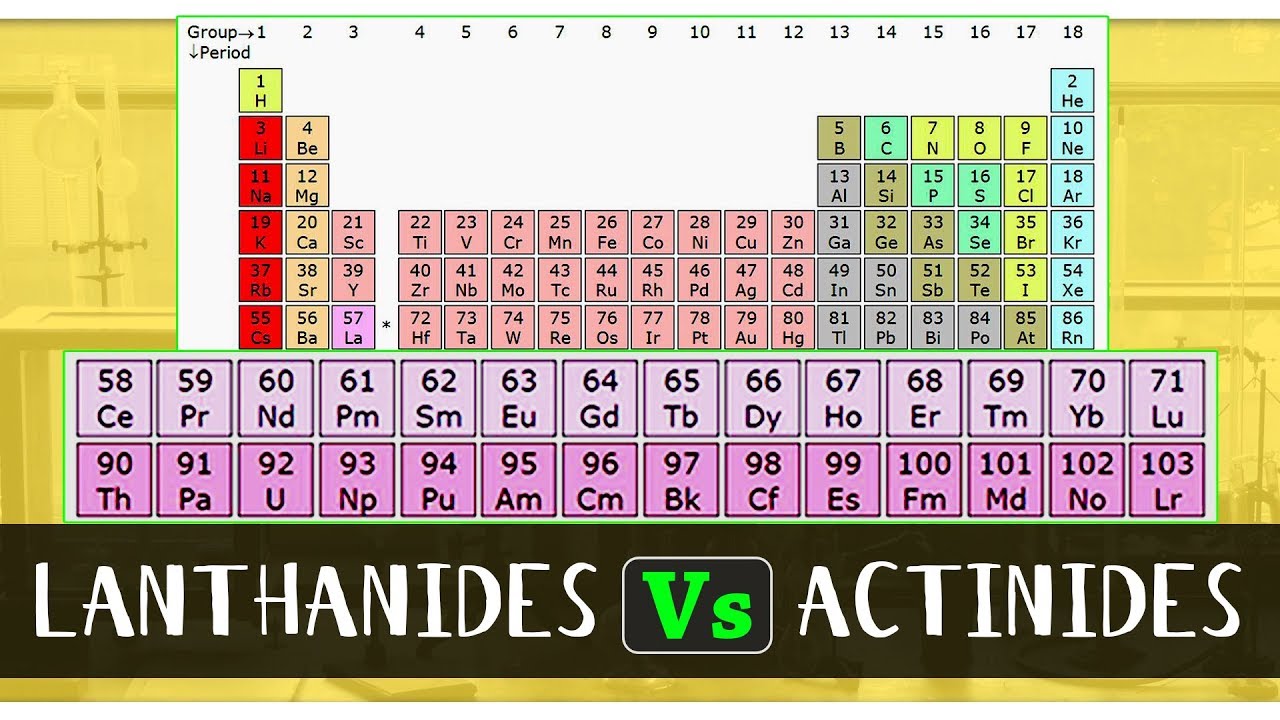
Imagine trying to hang that monstrosity on your classroom wall! By placing them below, we keep the main body of the table compact and easy to read. It's a design choice that prioritizes practicality over strict adherence to the arrangement by atomic number.
It's like choosing to store your holiday decorations in the attic instead of cluttering up your living room year-round. Organized, and you know where it is when you need it!
The "Belong Between" Club: Common Threads
Both the lanthanides and actinides share some interesting similarities. They're all metals, they are shiny, and they tend to form colorful compounds. The main element that unites them is how their electrons are configured.

Their electrons are all in inner orbitals, leading to unique chemical properties. This is what makes them a special family. They follow a different set of rules from the other groups on the periodic table.
Think of them as a secret club with its own set of inside jokes and traditions. Only elements with these specific electron configurations are allowed in.
Beyond the Table: A World of Applications
Despite their somewhat segregated location on the periodic table, the lanthanides and actinides play crucial roles in our everyday lives. The lanthanides are in your smartphone and the glass of camera lenses, as well as hybrid car batteries.
The actinides, while often associated with nuclear technology, have applications in medicine and scientific research. Americium, for instance, is used in smoke detectors to keep us safe from fire.
.PNG)
These elements, often overlooked, are silently working behind the scenes to power our world and protect our homes. They truly are the unsung heroes of the periodic table.
A New Appreciation for the Bottom Row
Next time you glance at the periodic table, take a moment to appreciate those elements at the bottom. They may seem like an afterthought, but they are vital pieces of the puzzle.
The lanthanides and actinides remind us that sometimes, the most interesting things are found in the unexpected places. They are chemical elements with unique properties.
So, let's raise a glass (or a beaker!) to the lanthanides and actinides, the "belong between" elements that make our world a brighter, safer, and more technologically advanced place!