
The Energy That Produces Ocean Waves Comes From
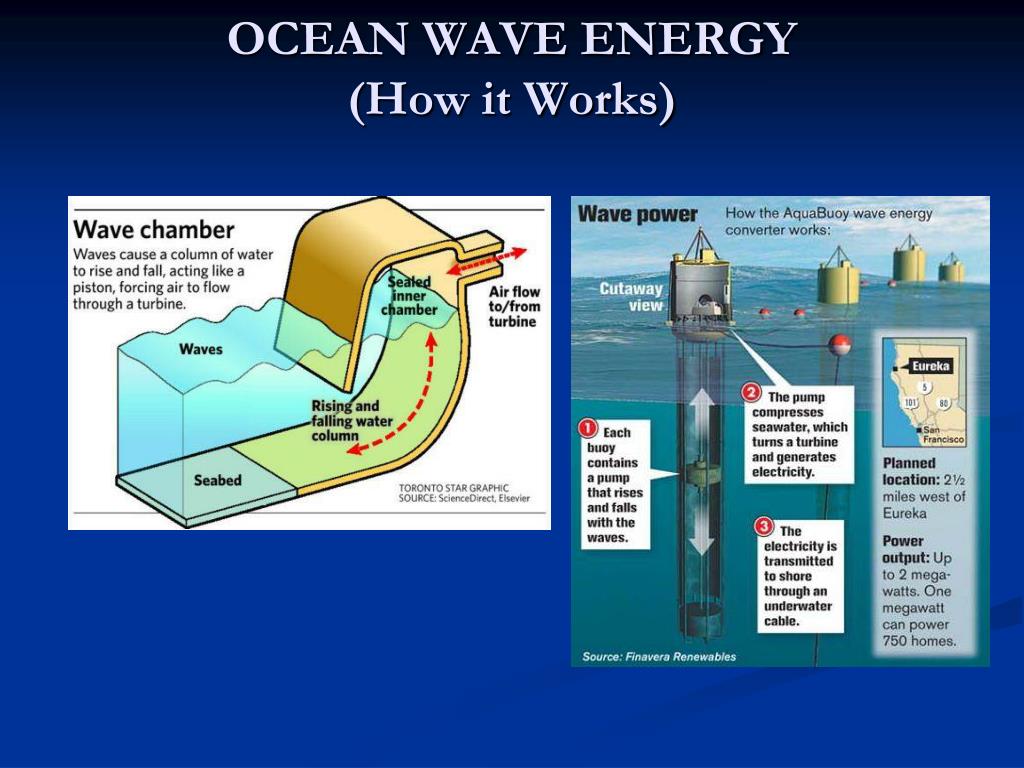
Ever stood on a beach, feeling the cool spray of the ocean and watching waves crash? They're mesmerizing, aren't they? But have you ever stopped to think where all that energy comes from? Prepare for a surprise: it's mostly thanks to the sun!
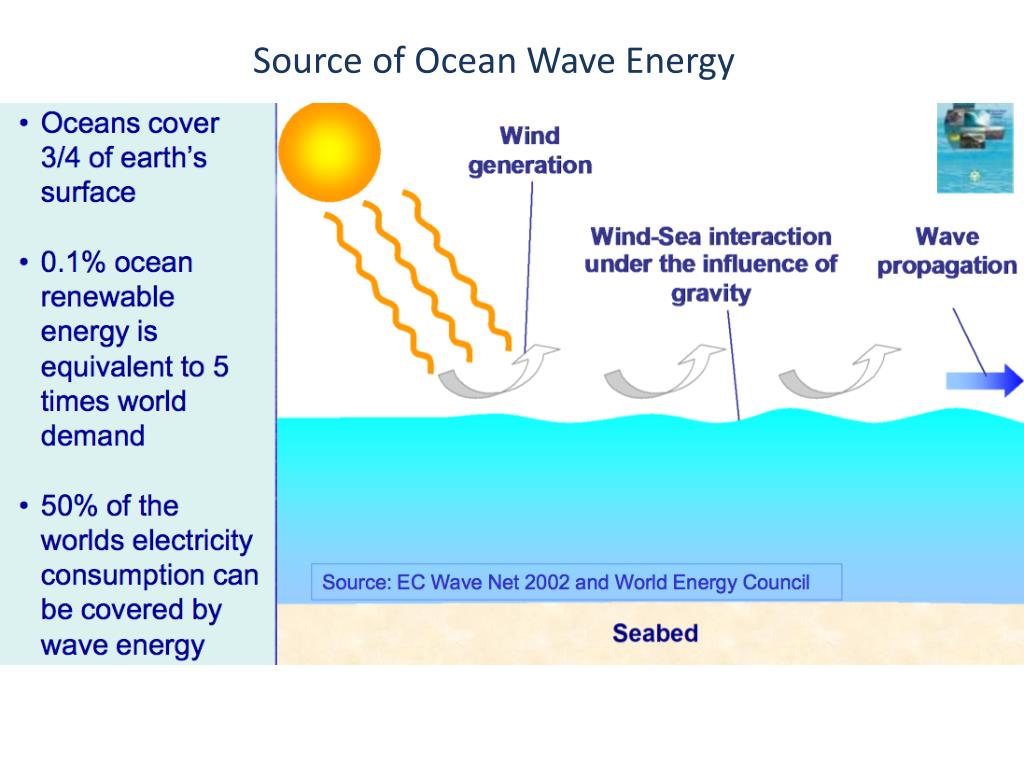
The Sun's Not-So-Secret Agent: Wind
Hold on, the sun? I know what you're thinking. Isn't the sun busy keeping us warm and giving us sunburns? It is, but it's also the master puppeteer behind our breezy, wave-making friend: wind.
The sun heats up the Earth unevenly. Some places get more direct sunlight than others, leading to differences in air temperature. This temperature difference is what creates wind!
Must Read
Warm air rises, cool air rushes in to take its place, and BAM! Wind! It's like a giant, invisible convection oven constantly circulating the atmosphere.
Wind's Wild Ride Across the Water
Now, imagine that wind, born from the sun's fiery kiss, starting to travel across the ocean's surface. It's not just a gentle caress, it's more like a playful shove! As the wind blows, it transfers some of its energy to the water.
This transfer of energy creates ripples, then small waves, and then bigger waves. The longer and stronger the wind blows, the bigger the waves become. Think of it like pushing a swing – the more you push, the higher it goes!
And here's a fun fact: even after the wind dies down, the waves keep travelling! They can travel for thousands of miles, carrying the energy they picked up from the wind across entire oceans. It's like sending a postcard made of water all the way from one continent to another!
The Undersea Dance: Wave Formation
So, what actually happens as the wave travels? Well, the water isn't actually moving forward with the wave. It’s more like a dance.
Each water particle moves in a circular motion. Imagine a tiny duck floating on the surface; it goes up and down and slightly forward, but it doesn't actually travel very far. It just bobs along for the ride!
This circular motion extends down into the water, but the deeper you go, the smaller the circles become. Eventually, the motion becomes negligible. It’s like a party where the top layer is having all the fun, and the people at the bottom are just trying not to spill their drinks.
The Grand Finale: Crashing on the Shore
All that energy the waves have been carrying comes to a dramatic end when they reach the shore. As the water gets shallower, the bottom of the wave starts to slow down, but the top keeps going.
This causes the wave to steepen and eventually topple over, creating that beautiful, foamy crash we all love to watch. It’s the wave’s final, energetic bow after a long journey!

That crash isn't just for show. It’s the wave releasing all the energy it has accumulated. This energy can erode coastlines, move sand, and even power turbines to generate electricity!
Not Just Wind: Other Wave Makers
While wind is the main culprit, it's not the only wave maker in town. Other factors can also contribute, though they are far less common.
Earthquakes and Tsunamis
Massive underwater earthquakes can generate incredibly powerful waves called tsunamis. These waves are different from regular waves. They have incredibly long wavelengths and can travel at hundreds of miles per hour.
They might seem small in the open ocean, but when they approach the shore, they can grow into gigantic walls of water, causing immense destruction. Fortunately, tsunamis are relatively rare.
The Moon's Gentle Pull: Tides
The moon's gravitational pull creates tides, which are essentially very, very long waves. Tides are predictable rises and falls in sea level that occur twice a day in most places.
While tides don’t produce the crashing waves we surf on, they do influence wave behavior. High tides can allow waves to reach further inland, while low tides can expose sandbars and change the shape of the shoreline.
The Ocean's Symphony: A Combination of Forces
In reality, the waves we see are often a combination of these factors. Wind-generated waves are affected by tides, currents, and even the shape of the coastline.
It's like an ocean symphony, where different instruments (sun, wind, moon, Earth) all play their part to create a beautiful and complex sound (waves). Each note contributes to the overall melody.
Why Does It Matter?
Understanding where waves come from isn't just a fun fact to impress your friends at the beach. It’s actually really important!
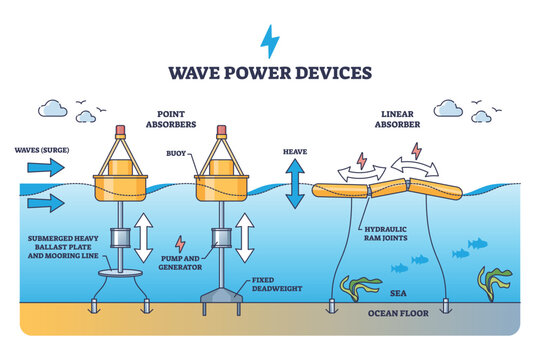
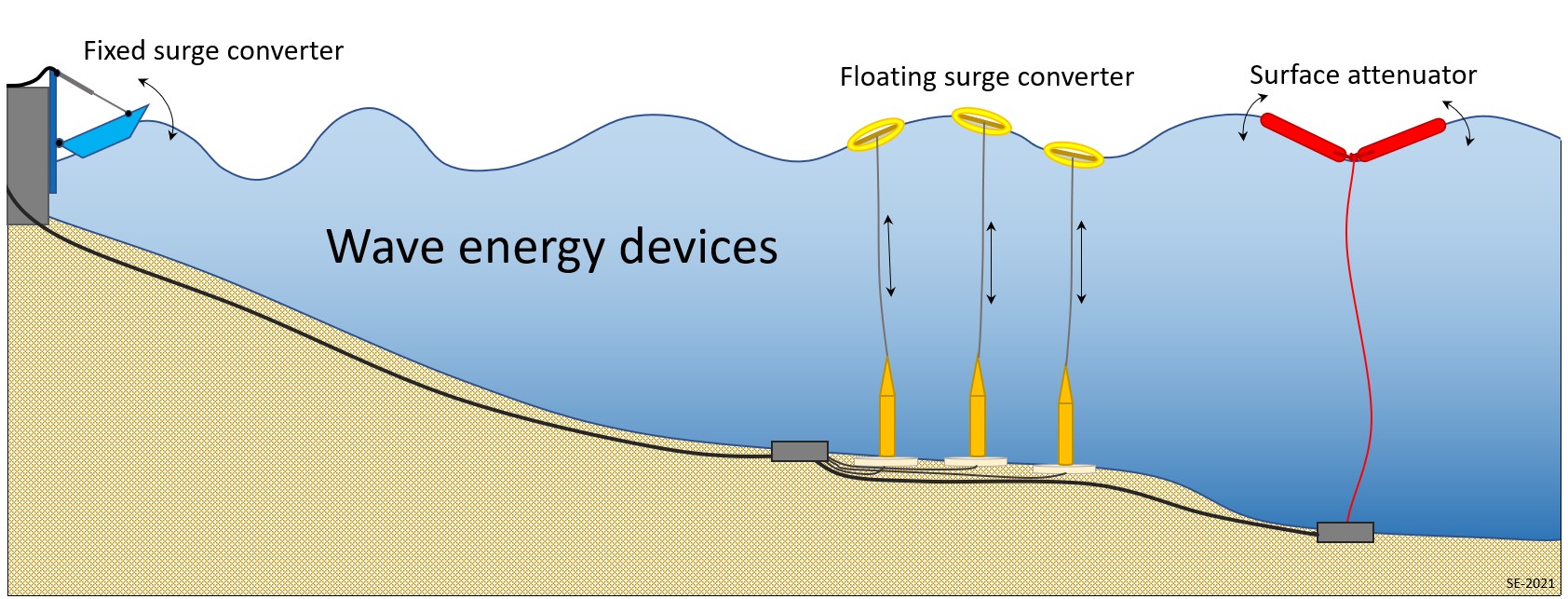
By studying wave patterns, scientists can learn more about weather patterns, climate change, and coastal erosion. This knowledge helps us protect coastal communities, predict storms, and even harness the power of waves for renewable energy.
A Respectful Relationship with the Ocean
So, the next time you stand on the shore and watch the waves, remember that they are not just random splashes of water. They are the result of a complex interplay of forces, driven primarily by the sun's energy.
It's a reminder of the interconnectedness of our planet and the power of nature. Maybe you will feel a deeper connection and respect for the ocean and its waves.
And perhaps, you'll even feel a little bit grateful to the sun for putting on such a spectacular show. After all, without the sun, there would be no wind, no waves, and no surfing!
So, next time you're at the beach, take a moment to appreciate the journey of each wave. From the sun's energy to the wind's push, to the final crash on the shore, it's a story worth telling.