
The Difference Between A Typhoon And A Hurricane
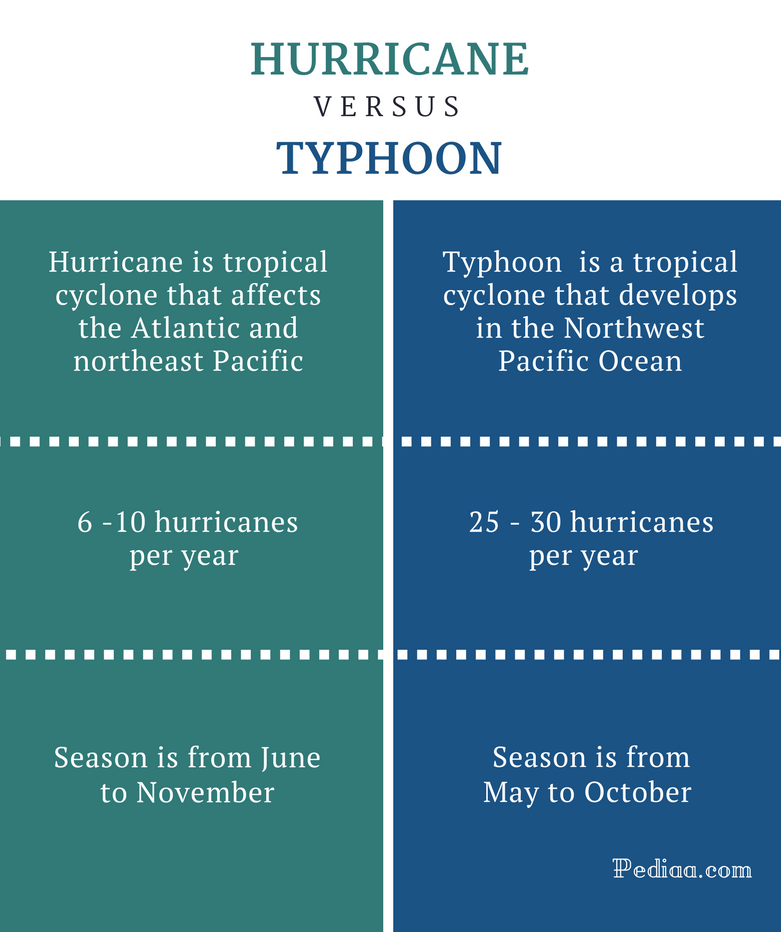
Ever wondered why some storms are called hurricanes and others are typhoons? It's like having two names for the same superstar! Think of it this way: they're both incredibly powerful spinning storms, like nature’s own washing machine on high. But their nicknames depend on where they hang out.
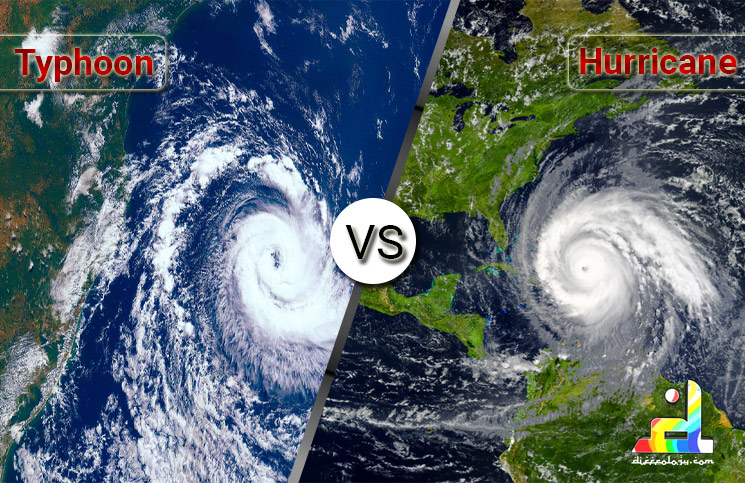
Seriously, it's all about location, location, location! Imagine a giant, swirling bathtub drain. If that drain is in the Atlantic Ocean or the northeastern Pacific Ocean, we call it a hurricane. Picture the Gulf of Mexico churning. That's a hurricane zone. Think Florida beaches getting a wild wake-up call? Hurricane season.
Now, transport that swirling bathtub drain to the northwestern Pacific Ocean. This is where things get a little more…typhoon-y! Imagine the Philippines, Japan, or even parts of China bracing themselves. Suddenly, it's not a hurricane anymore. It's a full-blown typhoon! It’s like the storm got its passport stamped and a brand new identity.
Must Read
So, What's the Big Deal?
Honestly, the difference is mostly just a name. The science behind them is the same. Both hurricanes and typhoons are tropical cyclones. What's a tropical cyclone? Just a fancy term for a rotating, organized system of clouds and thunderstorms that originates over tropical or subtropical waters. They have a closed low-level circulation. Sounds complicated, right? Don't worry about it! Just remember spinning winds, lots of rain, and potentially big waves.
The real “big deal” is the sheer power these storms possess. They can unleash devastating winds, torrential rainfall, and storm surges that can flood entire coastal areas. We’re talking about trees uprooted, power lines down, and maybe even your inflatable flamingo doing an unscheduled trip across town! It’s serious stuff.

But let's be honest, there's also something strangely fascinating about them. The way they form, the way they move, the sheer scale of these weather events is captivating. It's like watching a super-powered drama unfold on a global stage. Just from a safe distance, please!
Wind Speed: The Great Equalizer
Whether it’s a hurricane or a typhoon, the intensity is measured by wind speed. They use different scales in different regions, but ultimately, it boils down to how fast those winds are whipping around. The stronger the winds, the more intense the storm. Period.
Think of it like this: if you're trying to decide if you need to hunker down and binge-watch your favorite show, it doesn’t really matter if the weather reporter calls it a hurricane or a typhoon. What matters is the projected wind speed and the potential impact on your area.
They are measured using the Saffir-Simpson Hurricane Wind Scale. This scale tells us how much potential damage can be expected with different wind speeds.
Why All the Fuss?
You might be thinking, "Okay, so they're the same thing with different names. Why all the fuss?" Well, part of it is tradition. People in different parts of the world have used these terms for centuries. It's ingrained in their culture and their language. And let's face it, "hurricane" and "typhoon" just sound cool, don't they?
Plus, using the correct term shows respect for the regions affected by these storms. It's a small gesture, but it acknowledges the unique challenges and experiences of those communities. No one wants to hear their hometown devastation referred to by the wrong name.

So, next time you hear about a major storm brewing, pay attention to where it is. Is it threatening Florida? Then it's likely a hurricane. Is it barreling towards Japan? You're probably hearing about a typhoon. Now you're armed with a little bit of weather knowledge to impress your friends and family!
And remember, whether it's a hurricane or a typhoon, stay safe, stay informed, and maybe stock up on snacks for that epic binge-watching session! You never know when Mother Nature will decide to put on a show.
Want to dive deeper? There are tons of awesome resources online from the National Hurricane Center and other meteorological organizations. Go explore!
You might just become a storm-chasing armchair meteorologist!