
The Current That We Use In Our Homes Is Current
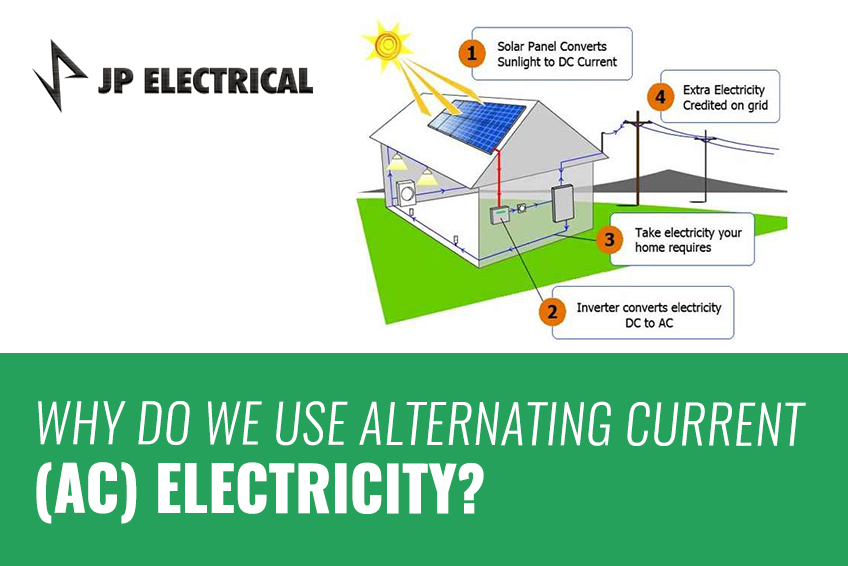
Hey there, curious minds! Ever think about the amazing, invisible force that powers, well, basically everything in your house? We're talking about the current that flows through your walls, lighting up your life (literally!) – electrical current! Bet you didn't expect an article about electricity to be fun, did you? Well, buckle up!
You see, sometimes we take for granted the stuff that makes modern life, modern. Think about it. You flip a switch, and BAM! Light. You plug in your phone, and PING! Charging. You crank up the tunes on your stereo, and WHOA! Instant party. But behind all that simple action is a complex, fascinating world of electrons, volts, and... well, current! And understanding it, even a little, can make you feel like a superhero controlling the very elements!
What Exactly IS This "Current" Stuff?
Okay, let's ditch the scary science jargon for a sec. Imagine a river. The water flowing in that river is like electrical current. It's the flow of electrons – tiny, negatively charged particles – through a wire. Think of those electrons as little digital water droplets, each carrying a tiny bit of energy.
Must Read
Now, how many electrons are flowing? That's measured in amperes, or amps for short. A higher amperage means more electrons are flowing, which means… more power! (Think of a raging river versus a tiny trickle).
And what pushes those electrons along? That's voltage. Think of it like the steepness of the riverbank. A steeper slope (higher voltage) means the electrons are pushed along with more force.
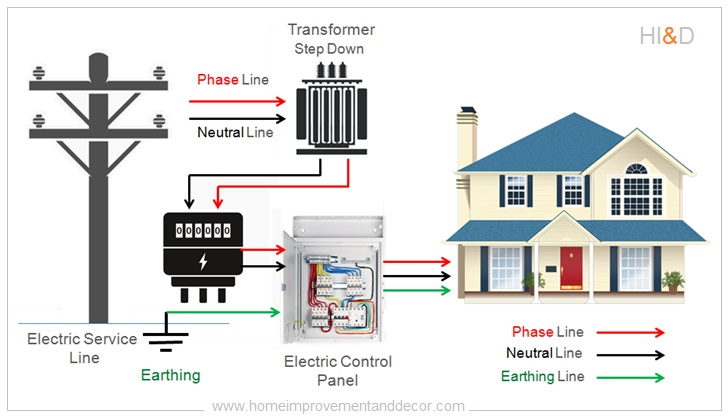
So, current is the flow of electrons, and voltage is the push that gets them flowing. Get it? Good! Now you're practically an electrician!
Why Should You Care?
Alright, alright, I hear you. "Why do I need to know this stuff?" Well, for starters, understanding electricity makes you a more informed consumer. Ever look at the back of your hairdryer and see all those numbers? Knowing about amps and volts can help you choose appliances that are energy-efficient and safe. No more accidentally blowing a fuse because you plugged in five high-powered devices at once! (Been there, done that, got the T-shirt... and the darkness.)
But more importantly, understanding the basics of electricity can make you appreciate the incredible technology that surrounds us. Seriously! Think about the sheer ingenuity that went into figuring out how to harness the power of tiny electrons to light up entire cities! It's mind-blowing!
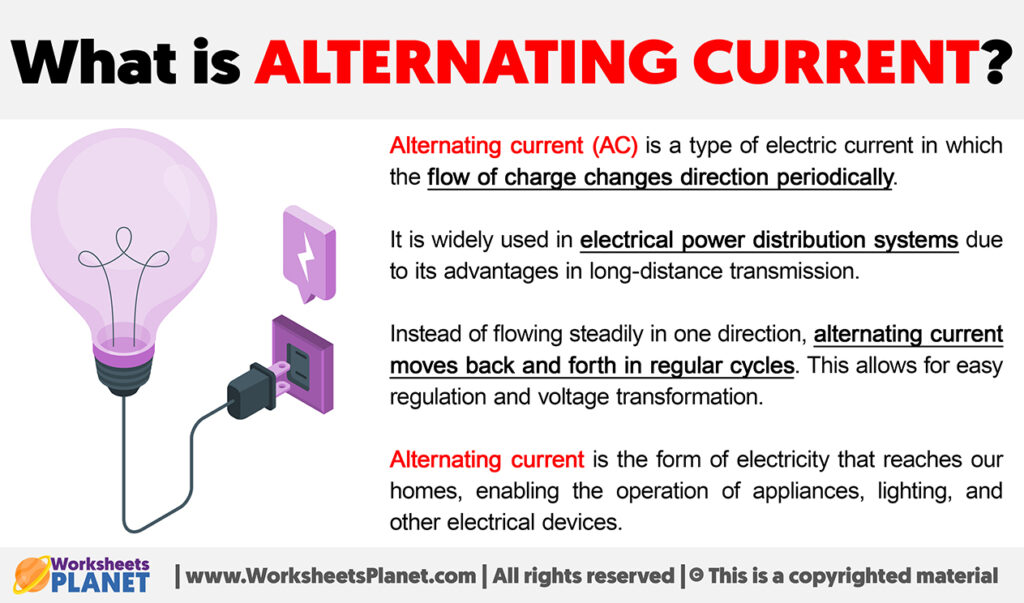
Plus, knowing a little about electrical current can be surprisingly practical. You might be able to troubleshoot simple problems, like a lamp that won't turn on, or a phone charger that's suddenly stopped working. Small things, sure, but fixing them yourself feels amazing and saves you money!
Making It Fun!
Okay, let's be real. Reading about electricity might not sound like the most thrilling activity. But here's where it gets interesting! There are tons of cool experiments you can do (safely, of course!) to see electricity in action.
Build a simple circuit with a battery, a light bulb, and some wires. Watch the magic happen as the current flows and the bulb lights up! (Just be sure to use low-voltage components and supervise any children involved. Safety first, always!) There are tons of kits you can buy online for making basic circuits.
Or, check out some documentaries about Nikola Tesla and Thomas Edison. These guys were the rockstars of electricity, and their inventions changed the world. Their stories are fascinating and inspiring.
Want to level up? Look up some simple circuits online and try them. There are tons of beginner-friendly projects, from making a simple LED flashlight to building your own basic radio.
The Future Is Electric (Literally!)
The world is becoming increasingly electric. From electric cars to renewable energy sources, electricity is playing a bigger and bigger role in our lives. Understanding the basics of electrical current will not only make you a more informed citizen but also open up exciting opportunities in fields like engineering, technology, and renewable energy.

The more you know, the better equipped you are to navigate and shape the future.
So, go forth and explore the amazing world of electricity! Don't be afraid to ask questions, experiment (safely!), and learn something new. You might be surprised at how much fun you have and how empowered you feel. Remember, knowledge is power… and in this case, the power is electrical!
Now, go on and light up your life!