
The Book Value Of A Plant Asset Is
Okay, so you've probably heard of assets, right? Like, a shiny new company car, or a massive, smoke-belching factory? Well, those are plant assets! Big, important, and usually pretty expensive.
What's This "Book Value" Thing?
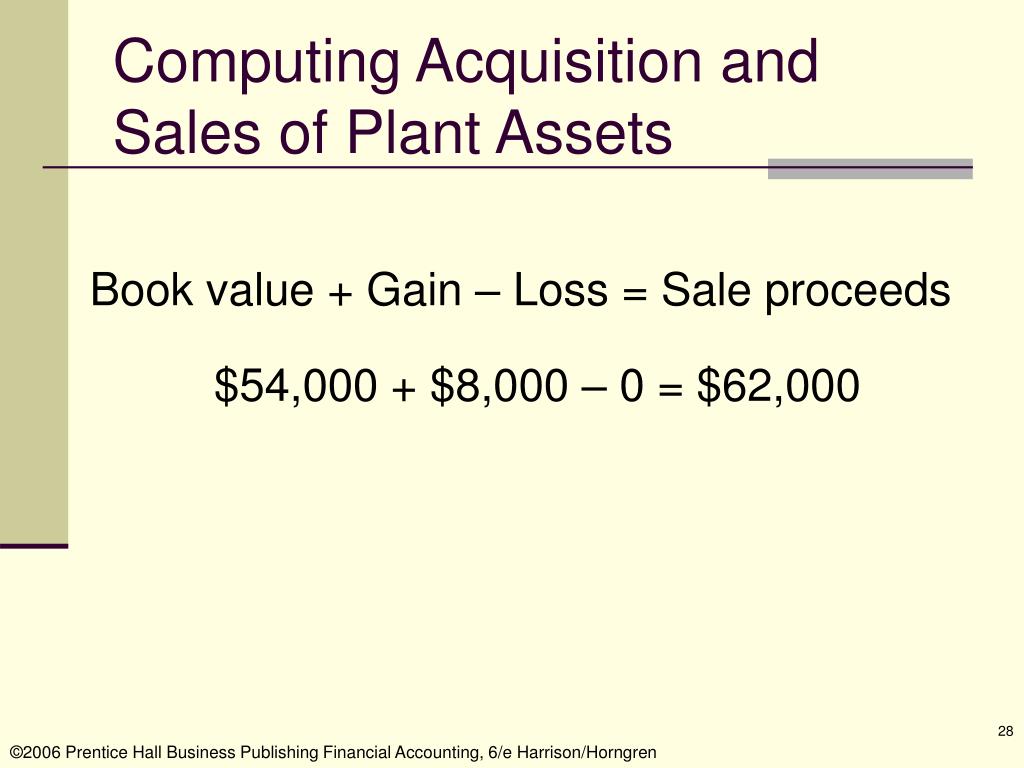
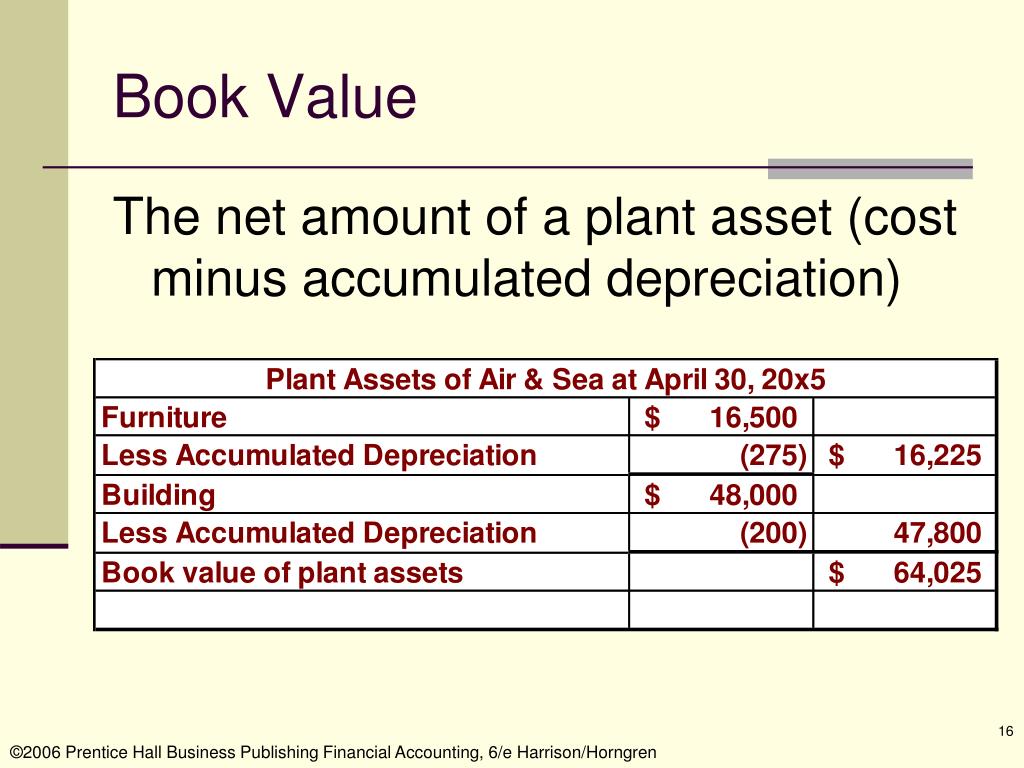
Think of "book value" like the asset's age showing. It's not how much you could sell it for. Nope! It’s the asset’s supposed value on the company's financial records. It's basically the original cost, minus all that pesky depreciation.
Imagine buying a super cool, robot factory for a million bucks. Woohoo! But, it's not gonna stay worth a million forever, right? Robots get old. They get rusty. They start dreaming of retirement on a tropical island (probably). That's where depreciation comes in!
Must Read
Depreciation is like an aging potion for your assets. It recognizes that your factory is losing value over time due to wear and tear, obsolescence, or just plain getting tired of making widgets.
So, book value is just the original cost minus all the depreciation taken up to that point. Simple, right? (ish!)
Why Should I Care About Book Value?
Good question! Even if you're not an accountant (and let's be honest, probably not!), understanding book value can actually be pretty cool.

It helps investors figure out if a company's assets are overvalued or undervalued. Imagine a company has a book value of $10 million for its factory, but you find out it's crumbling and barely functional. Something’s fishy, right?
It's a piece of the puzzle. Book value gives you an idea of what the company claims their stuff is worth on paper. Remember, it doesn’t reflect the actual market value.
The Weird World of Depreciation
Here's where things get a little… interesting. There are actually different ways to calculate depreciation! Talk about exciting!
You've got straight-line depreciation. This is like the slow and steady method. It spreads the depreciation evenly over the asset's useful life. Think of it as a boring, but reliable, diet plan for your asset's value.
Then there's accelerated depreciation. This method depreciates the asset faster in the early years of its life. It's like an asset having a mid-life crisis and rapidly losing value before settling down.
Why so many ways? Because accountants love options! Each method has its pros and cons, and companies choose the one that best reflects how their assets are actually used and how they lose value.

The depreciation method a company chooses can drastically affect the book value of its assets. One company may have a higher or lower book value for the same type of asset simply because they are using a different method.
Book Value is Not the Whole Story
Okay, repeat after me: Book value is not market value!
Just because a company's books say their factory is worth $5 million doesn't mean they could actually sell it for that much. The real estate market might be down. The factory could be haunted (okay, probably not, but you get the idea).
Market value is what someone is actually willing to pay for it. This is influenced by tons of outside factors, like supply and demand, the economy, and whether or not the factory comes with a lifetime supply of gummy bears. (Okay, again, probably not.)
Quirky Book Value Facts (Because Why Not?)
* A very, very old building might have a book value of zero, even if it's still standing! Depreciation, baby! * Companies can sometimes "revalue" their assets if their market value goes way up. This is like giving your asset a facelift in the books, and is only permitted under specific accounting standards. * Intangible assets like patents and trademarks also have book values, though they are calculated differently than plant assets. Think of the value of the Coca-Cola logo! * Sometimes, book value can be negative! Usually occurs in specific situations and isn’t a good thing.Book Value: Fun for the Whole Family (Okay, Maybe Not)
So, there you have it! Book value is not just some dusty accounting term. It's a peek into how companies track the value of their stuff. And who doesn't love talking about stuff?
While you might not be discussing depreciation methods at your next family dinner, knowing the basics of book value can help you understand how companies operate and make better investment decisions. Go forth and conquer the world of finance! (Or at least impress your friends at trivia night.)