
The Average Price Of A House
Hey there, grab a coffee (or whatever your poison is today), because we're about to tackle one of life's great mysteries, right up there with "where do all my socks go?" and "what exactly is cryptocurrency?" We're talking, of course, about the magnificent, elusive, and often utterly baffling concept of the average price of a house.
It's a number that gets thrown around like a hot potato at family gatherings, a statistic that makes headlines, and a figure that can either inspire dreams of homeownership or send you spiraling into an existential crisis. But what is it, really?
What's an 'Average' Anyway? (It's Complicated, Trust Me)
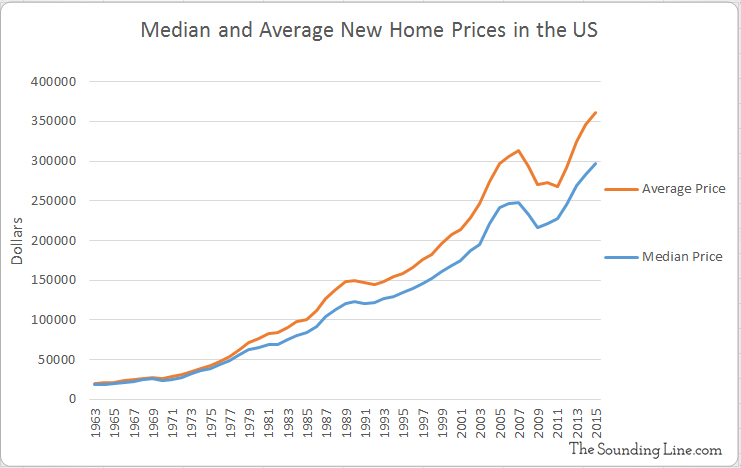
When someone says "the average house price," it's like saying "the average temperature." Is that the average in Death Valley, or Antarctica? See? Big difference! House prices are even more complicated. Are we talking about the mean, where you add up all the prices and divide by the number of houses? Or the median, which is the exact middle point where half the houses are cheaper and half are more expensive?
Must Read
Let me tell you, the median is usually the far more useful number. Why? Because the mean can get totally skewed by some billionaire buying a 17-bedroom mansion with a heliport and a gold-plated toilet. Suddenly, that "average" price skyrockets, making your dream of a cozy two-bed look like a pipe dream!
So, when you see a number, it's good to ask: is that the mean or the median? It makes a difference as big as choosing between a sensible hatchback and a custom yacht.

The Great Price Rollercoaster: Up, Down, and Sideways
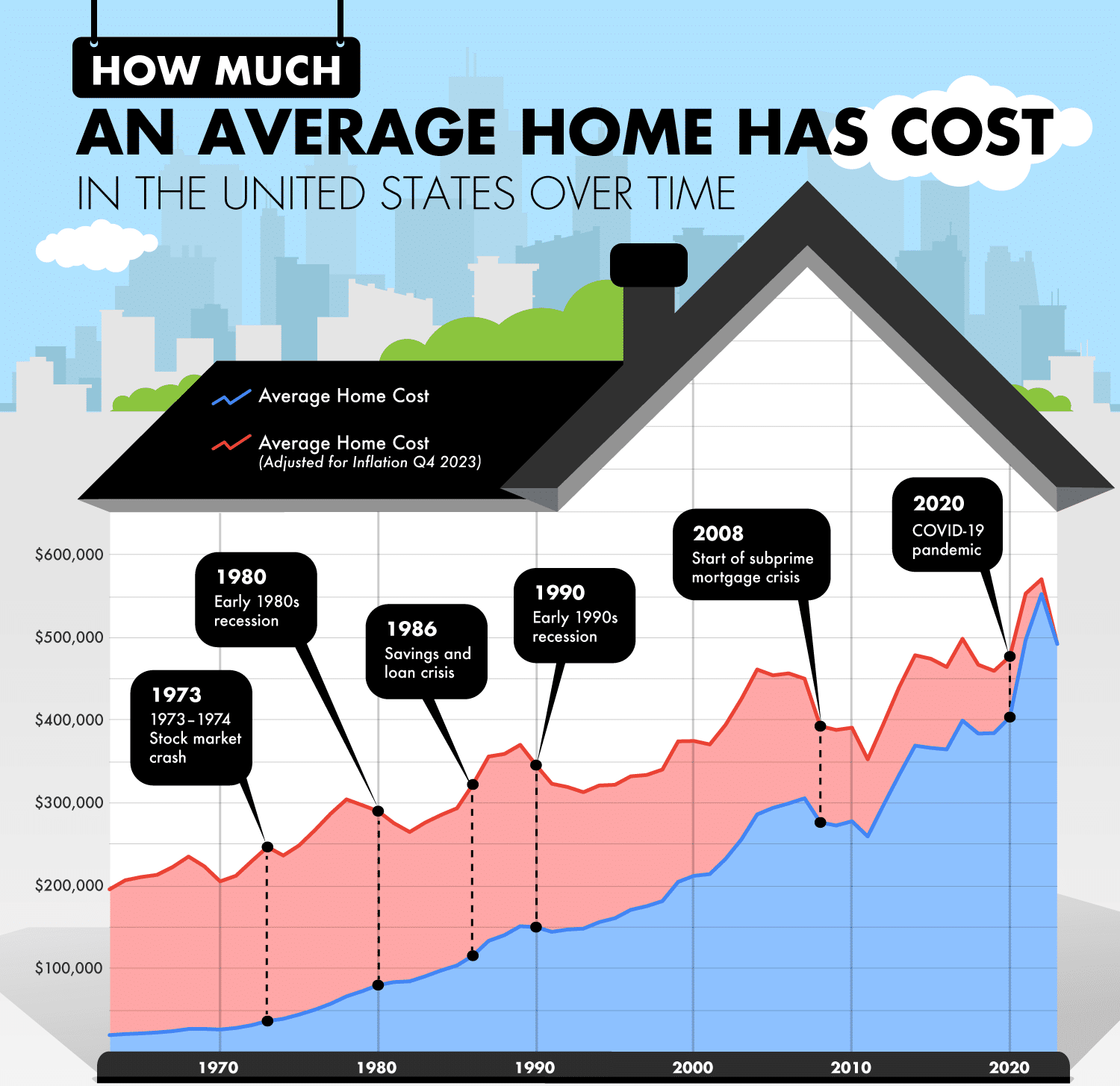
The average price of a house isn't a static monument; it's more like a particularly caffeinated squirrel on a trampoline. It bounces around! It goes up, it goes down (sometimes dramatically), and sometimes it just wiggles sideways for a bit, pretending to be stable.
What makes it dance? Oh, you know, just a few little things like the entire global economy, interest rates (those pesky things that decide how much extra you pay for the privilege of borrowing money), supply and demand (are there more buyers than houses, or vice-versa?), and yes, even the general mood of the populace. A dose of optimism can send prices soaring, while a whiff of uncertainty can bring them back to earth faster than a dropped soufflé.
For instance, did you know that in some parts of the world, during certain economic downturns, you could practically buy a house for the price of a fancy coffee maker? Okay, maybe a slight exaggeration, but the point is, prices are incredibly elastic.
Location, Location, Location! (No, Seriously)
This isn't just a cliché real estate agents love to repeat; it's the absolute truth. The average price of a house in, say, San Francisco, California, is going to make your jaw drop right onto the floor. We're talking numbers that could buy you a small island somewhere less... gold-plated. Meanwhile, in a quiet, rural town in the Midwest, you might find a lovely starter home for a price that would barely cover a parking space in the big city.
It's like comparing the price of a pint of milk in a remote Alaskan village versus your local supermarket. Transport costs, local economy, job opportunities, even the quality of the local school district – everything plays a role in how much a patch of earth and bricks will set you back.

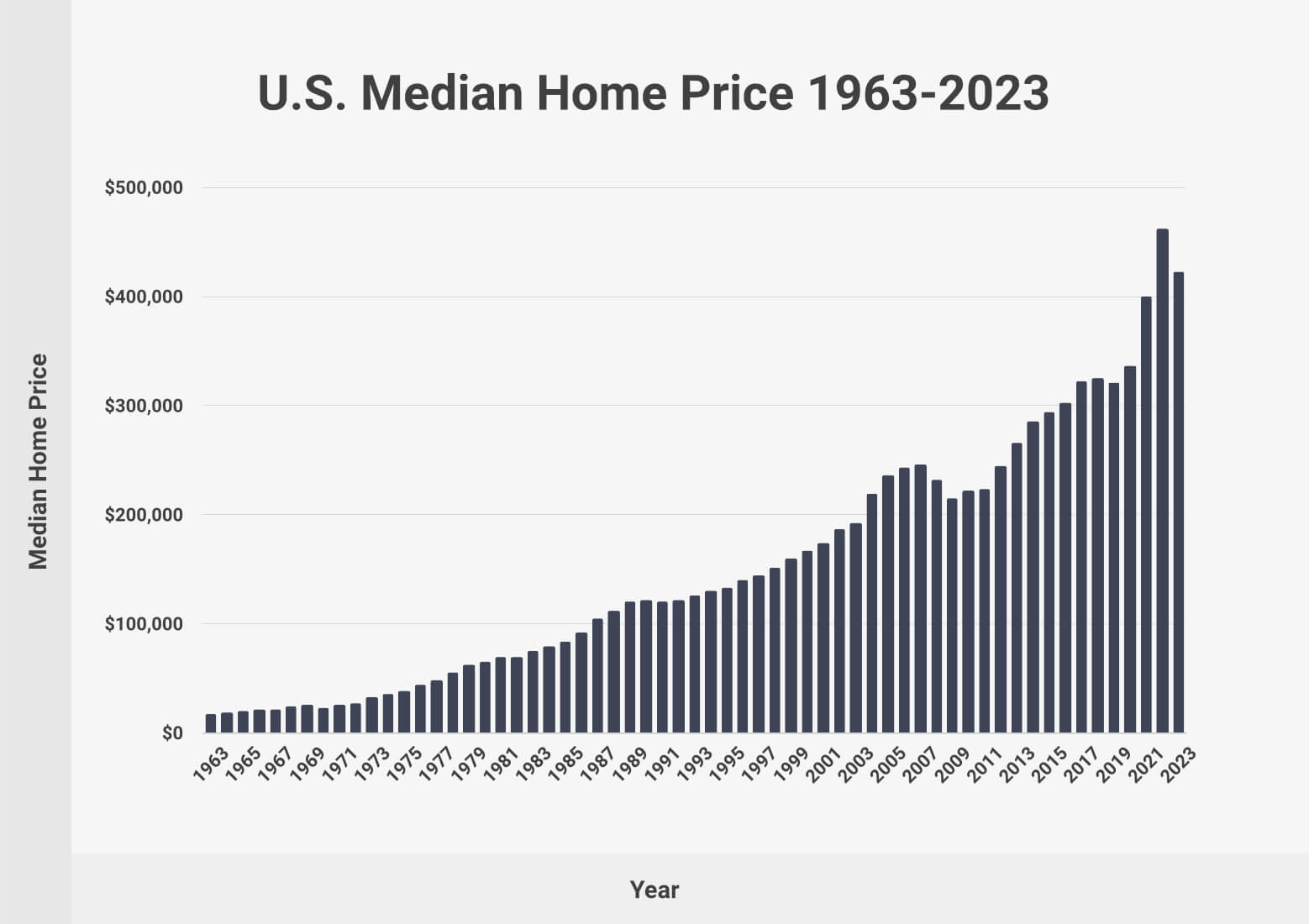
Here's a fun fact: According to some historical data, in the 1960s, the average house price in the U.S. was less than $20,000! Imagine that! Of course, wages were different, and avocado toast wasn't a thing, but still. Talk about a trip down memory lane that makes you want a time machine.
It's More Than Just the Sticker Price, My Friend
Even if you manage to pin down the average price for your specific dream location, remember that's just the tip of the iceberg, folks. There are still property taxes, insurance, maintenance (that leaky faucet isn't going to fix itself, no matter how much you glare at it), and utility bills. Buying a house isn't just a purchase; it's an ongoing relationship, complete with all the ups and downs.
Think of it like buying a pet: the initial cost is one thing, but then there's food, vet visits, toys, and the occasional chewed-up slipper. Houses are just bigger, more expensive pets, often with slightly fewer cuddles (unless you count snuggling with a tax rebate).
So, What's the Takeaway from This Rollercoaster of Numbers?
The "average price of a house" is a fantastic headline, a great talking point, and a useful general guide. But for your personal journey into homeownership, it's truly just a starting point. It's like checking the average speed limit on a highway – useful, but you still need to know where you're going and if there's traffic.
Do your research, look at specific neighborhoods, talk to local experts (not just your overly enthusiastic uncle at Thanksgiving), and most importantly, figure out what you can comfortably afford. Because at the end of the day, the perfect price isn't the average one; it's the one that lets you sleep soundly at night, without dreaming of interest rates and leaky roofs.
Now, if you'll excuse me, I'm off to look for that missing sock. Some mysteries are just too compelling to ignore.