
Texas Division Of Corporations Entity Search

Alright, y'all gather 'round! Let's talk about something surprisingly thrilling: the Texas Division of Corporations Entity Search. I know, I know, it sounds about as exciting as watching paint dry. But trust me, there's a hidden world of intrigue here, a corporate Wild West if you will, just waiting to be explored. Grab your metaphorical Stetson and let's ride!
Basically, this magical tool on the Texas Secretary of State's website lets you find out everything (well, almost everything) about a business registered in Texas. Think of it as Google, but for companies. Lost your company's formation paperwork? Think your neighbor is running a shady business from his garage disguised as a "Cat Sweater Emporium"? The Entity Search is your friend.
Why Bother Searching, Anyway?
Good question! Why should you care about the corporate underbelly of the Lone Star State? Several reasons, my friend. First, due diligence! Are you thinking of doing business with a company? Before you hand over your hard-earned cash, you want to make sure they're, you know, real. The Entity Search confirms they're officially registered, which is a big plus.
Must Read
Second, maybe you're just nosy. Hey, no judgment here! Curiosity killed the cat, but satisfaction brought it back, right? You might be wondering if your competitor is secretly owned by a multinational conglomerate that also sells tiny hats for squirrels. (Spoiler alert: the search probably won't reveal that particular secret, but it's fun to imagine!)
Third, and this is a big one for entrepreneurs, you need to make sure the business name you've been dreaming of isn't already taken! Imagine spending months perfecting your "World's Best BBQ Sauce" recipe, only to discover that "World's Best BBQ Sauce, Inc." is already registered and run by a guy named Bubba who's fiercely protective of his brisket-based empire. Avoid Bubba! Check the Entity Search first.
How Does This Whole Thing Work?
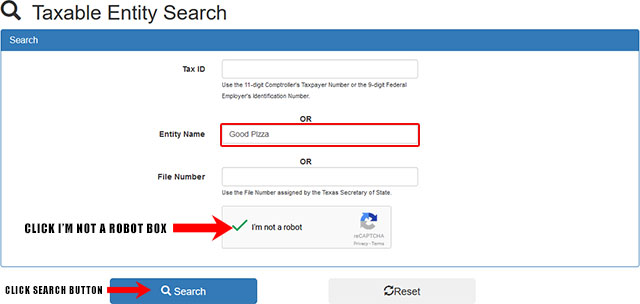
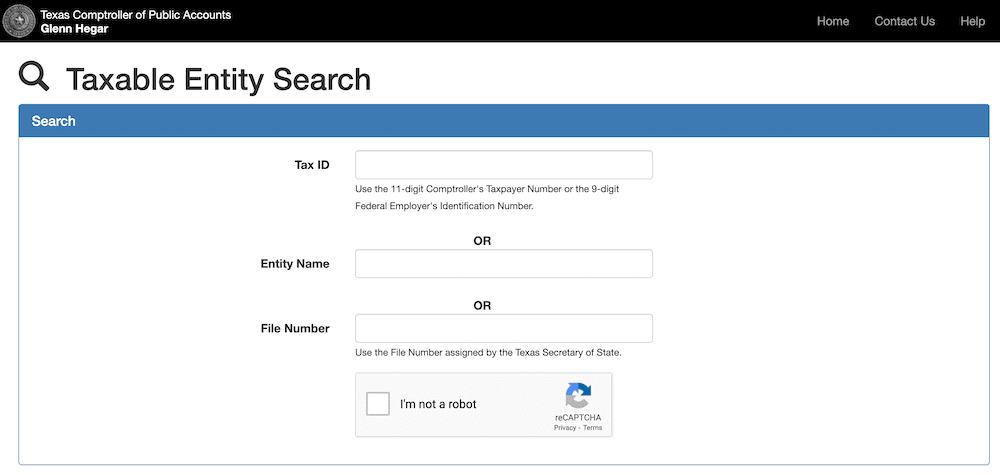
It's easier than wrestling a greased pig, I promise. Head on over to the Texas Secretary of State's website. Look for the "Entity Search" option. It's usually lurking somewhere near the Corporations section. Don't be intimidated by the official-sounding language. Just breathe. You got this.
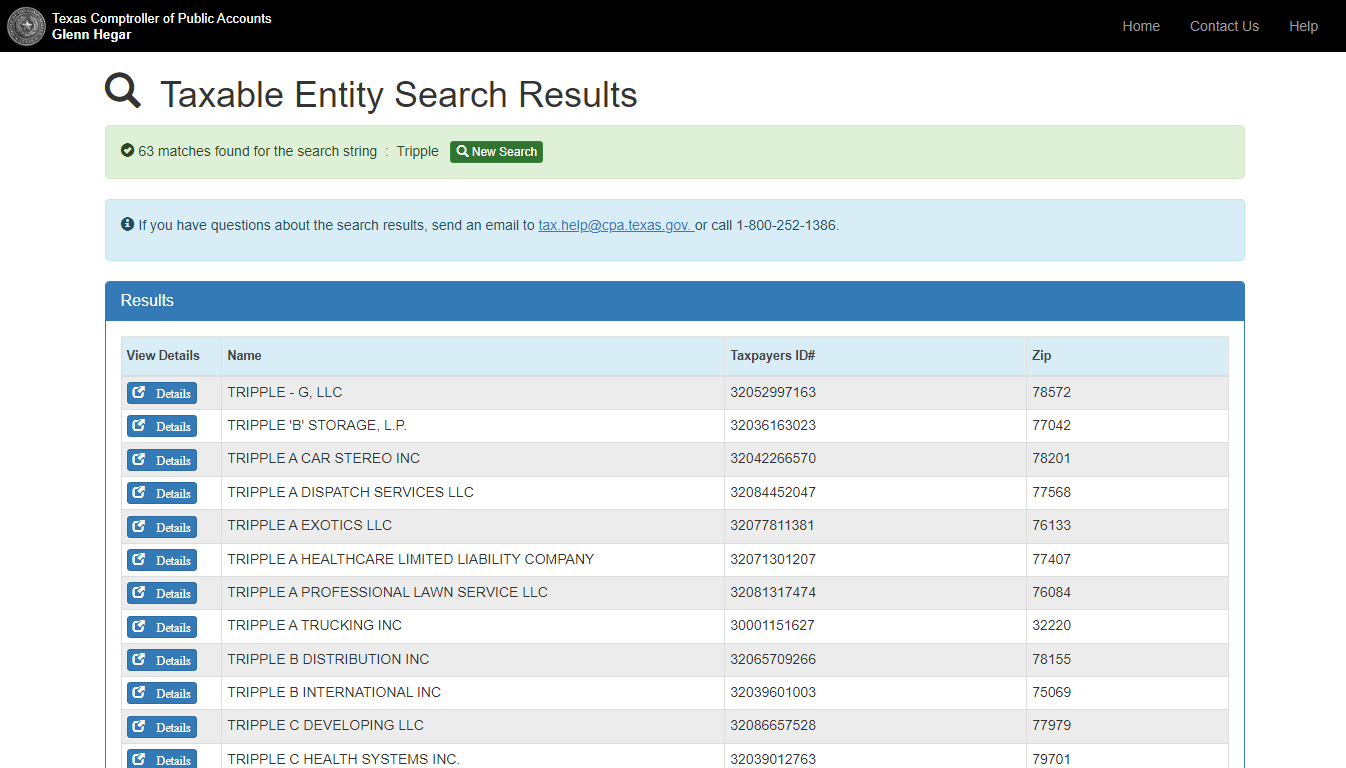
The site will ask you for some information. The most common way to search is by entity name. Type in the name of the business you're looking for. But here's a pro tip: be as precise as possible! If you're looking for "Johnson's Plumbing," don't just type "Johnson." You'll get a thousand results, including "Johnson & Johnson," "Johnsonville Sausage," and probably a few random guys named Johnson who accidentally got incorporated somehow. Okay, maybe not the last one, but you get the idea.
You can also search by file number. Every registered entity gets a unique file number. Think of it as their corporate social security number. If you have this number, you're golden. The search will pinpoint that specific entity immediately.
Other search options include searching by registered agent name (the person who officially receives legal notices for the company) or even by the city where the business is located. The more information you provide, the narrower – and more accurate – your results will be.
What Kind of Info Can You Find?
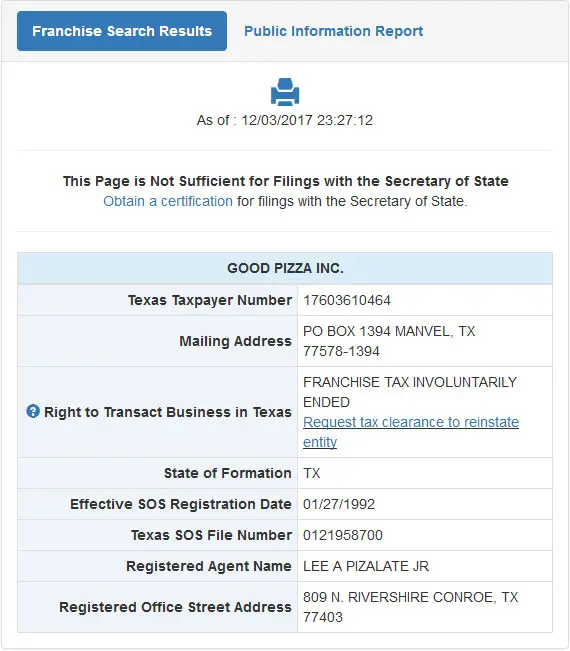
Prepare to be amazed! (Or, you know, mildly interested.) The Entity Search will reveal a treasure trove of public information about the business. You'll find:
- The legal name of the entity (duh!).
- The file number. (Remember that corporate social security number we talked about?)
- The date of formation. Find out how long that business has been around. Is it a seasoned veteran or a fresh-faced newbie?
- The entity type. Is it a corporation? An LLC? A partnership? This tells you about the company's legal structure.
- The registered agent's name and address. This is who gets served if the company gets sued. Don't go sending them glitter bombs, though. That's frowned upon.
- The status. This is important! Is the entity "active," "inactive," or "forfeited"? An "inactive" or "forfeited" status means the business might be having some problems. Proceed with caution.
You might even be able to view and download the company's certificate of formation or other official documents. This is like finding the holy grail of corporate paperwork! Okay, maybe not, but it's still pretty cool. Especially if you're into that sort of thing.
A Word of Caution (and a Funny Story)
While the Entity Search is powerful, it's not infallible. It only shows information about entities registered with the Texas Secretary of State. A sole proprietorship operating under the owner's name (like Bob's Landscaping) might not show up. Also, beware of outdated information! The data is only as good as what's been reported.
Speaking of outdated information, I once knew a guy, let’s call him “Steve,” who used the Entity Search to investigate a potential business partner. The search showed the partner's company was in "good standing." What Steve didn't realize was that the partner had filed for bankruptcy the day before, but the Secretary of State hadn't updated the records yet. Long story short, Steve lost a lot of money. The moral of the story? Always do your homework, folks! Don't rely solely on one source of information. And maybe consult a lawyer. Or a psychic. Just kidding (mostly).
So there you have it! The Texas Division of Corporations Entity Search: a vital tool for entrepreneurs, investigators, and anyone who's even slightly curious about the business landscape of the Lone Star State. Now go forth and explore! Just don't get lost in the labyrinth of corporate registrations. And remember, when in doubt, consult a professional. Or just blame Bubba and his BBQ empire. He's probably responsible for everything anyway.