Testing Air Quality In A Home

Ever walked into your home, taken a deep breath, and just felt... good? There’s something inherently comforting about our personal sanctuary. But what if the air you’re breathing in that sanctuary isn't quite as fresh as you imagine? We spend up to 90% of our time indoors, and believe it or not, the air inside our homes can sometimes be two to five times more polluted than the air outside. Yikes, right? Don't panic! It’s not about transforming your home into a sterile lab, but rather about bringing a little awareness and a few simple checks into your daily routine. Think of it as a wellness check-up for your home’s lungs.
Why Bother with the Invisible?
You might be wondering, if I can’t see it, why stress? Well, common culprits like pet dander, dust mites, mold spores, pollen, and even chemicals from cleaning products or furniture can silently circulate. Over time, these can contribute to anything from seasonal allergies feeling worse, to general fatigue, and even headaches. For instance, did you know that the air quality impact of cooking without proper ventilation can sometimes be worse than a busy street corner? Our ancestors understood this instinctively, often airing out their homes daily – a practice many cultures still uphold, like the Japanese tradition of "kanmatsu", or airing out futons. It's about creating an environment where you truly thrive, not just survive.
The Low-Tech Detective: Your Nose and Eyes
Before you dive into gadgets, let's start with your built-in detectors: your senses!
Must Read
The Sniff Test: Do you notice any lingering odors? A persistent musty smell often points to moisture issues and potential mold. Chemical smells could be off-gassing from new furniture (that "new car smell" isn't always good for you!), paint, or cleaning products. Stale air can simply mean a lack of ventilation.
Visual Clues: Are dust bunnies multiplying faster than usual? Is there condensation on your windows, suggesting high humidity? What about visible mold spots, especially in bathrooms or basements? These are all clear signals your air quality might need a little TLC.
Level Up: The Handy Air Quality Monitor
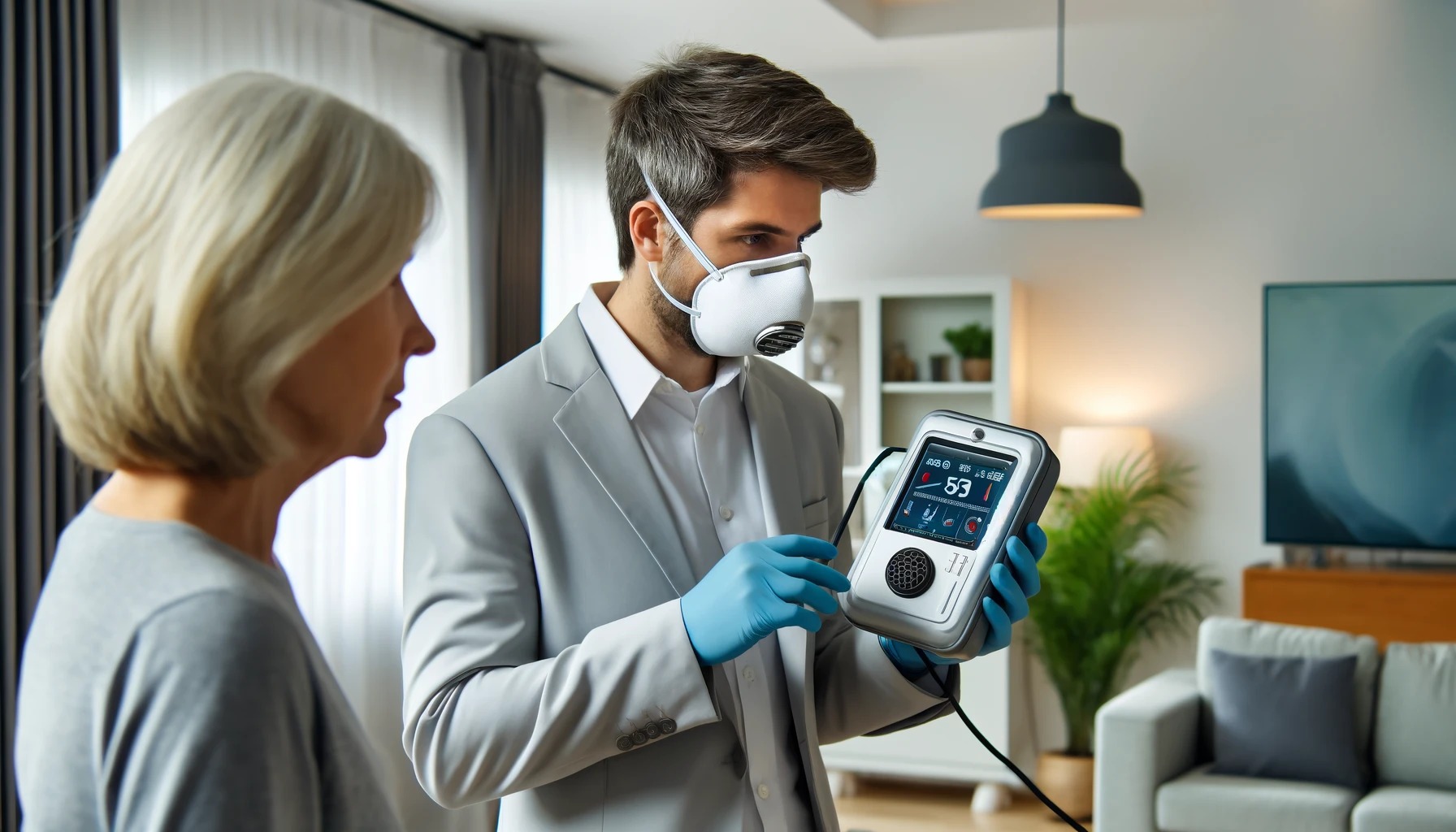
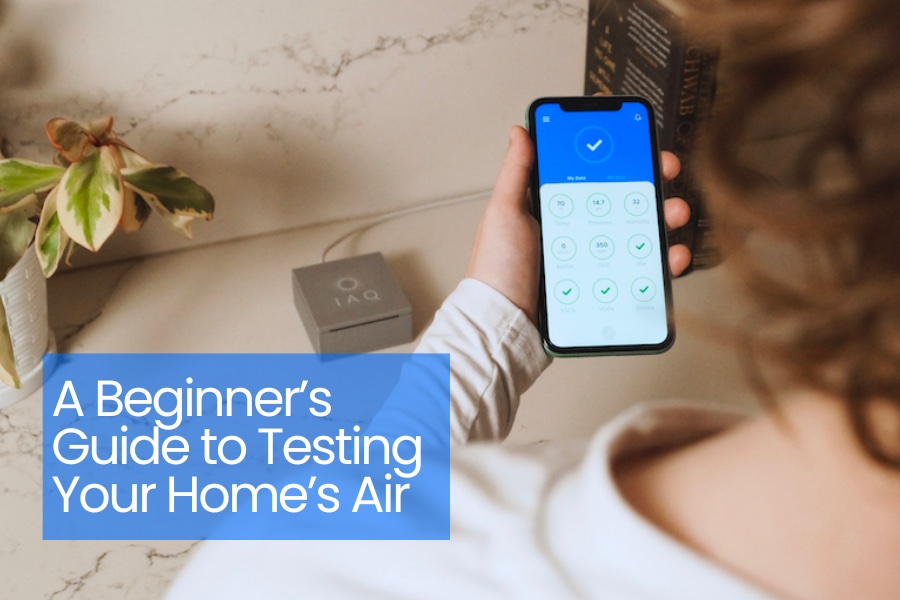
For those who love data (and who doesn't these days?), a home air quality monitor is your new best friend. These sleek devices, often no bigger than a smart speaker, provide real-time insights into various pollutants.
What do they measure? Most good monitors track several key indicators:

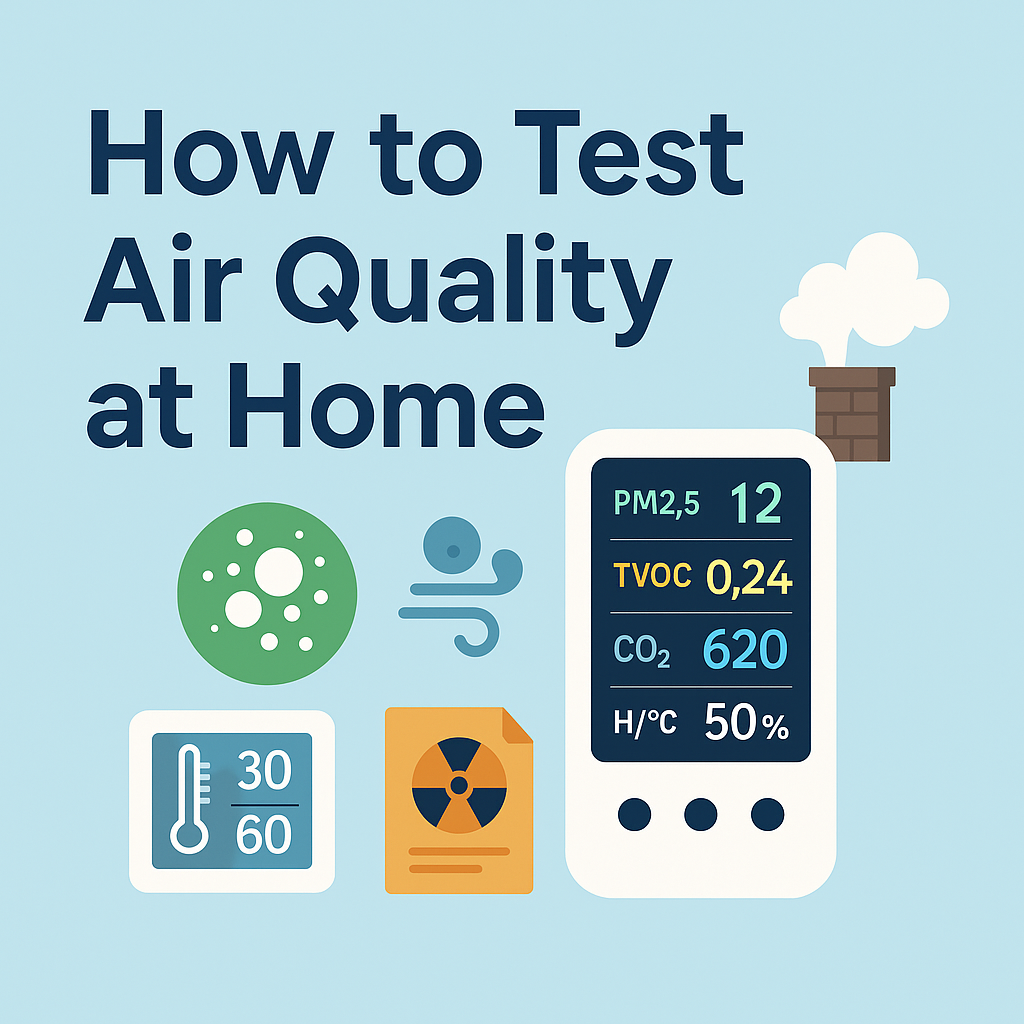
- PM2.5: Tiny particulate matter that can get deep into your lungs (think smoke, dust, pollen).
- VOCs: Volatile Organic Compounds, often from chemicals in paints, aerosols, and some furniture.
- CO2: Carbon Dioxide levels, which can indicate poor ventilation and lead to drowsiness.
- Humidity and Temperature: Crucial for comfort and preventing mold growth.
Monitoring these can help you identify specific triggers. For example, if your PM2.5 spikes after you cook, you know to use your exhaust fan more diligently. If VOCs are high after cleaning, perhaps switch to greener products. It’s like having a little personal environmental scientist right in your living room!
Practical Tips for Fresher Air, Stat!
Armed with your newfound knowledge (or your shiny new monitor!), here are some easy-peasy ways to boost your home’s air quality:
- Embrace Ventilation: This is your number one weapon! Open windows for 5-10 minutes each day, even in winter. Cross-ventilation is key. Use your kitchen and bathroom exhaust fans religiously.
- Filter Smarter: Upgrade your HVAC filter to a MERV 11 or 13 rating. Change it every 1-3 months. It’s like giving your home a better nose mask!
- Mind Your Moisture: Keep humidity between 30-50%. Use a dehumidifier in damp areas, and promptly fix any leaks.
- Clean Green: Opt for natural, fragrance-free cleaning products. Vinegar, baking soda, and lemon are your allies.
- Dust Differently: Use a damp cloth to dust, rather than just spreading it around with a dry one. Vacuum regularly with a HEPA-filtered vacuum.
- Go for Greenery (with a caveat): While plants like peace lilies and snake plants look lovely, their air-purifying powers are often overstated for an entire room. But hey, they don't hurt and definitely boost mood!
A Breath of Fresh Perspective
Ultimately, taking a peek at your home’s air quality isn't about adding another chore to your never-ending to-do list. It’s about cultivating a healthier, happier living space. Just like you nourish your body with good food and exercise, paying attention to the air you breathe is a vital part of holistic well-being. A comfortable, clean-air home isn't just a luxury; it’s a foundation for better sleep, clearer thinking, and simply feeling more at ease. So go on, take a deep breath. Your home—and your lungs—will thank you for it.