Temp To Keep House In Winter
As the days grow shorter and the air outside bites with that undeniable winter chill, there's one household hero that takes center stage: your thermostat. It's the silent arbiter of comfort, the tiny box holding the power to transform your home into either a cozy haven or a frosty budget drainer. But what's the magic number? What's the sweet spot for keeping your house warm enough without inadvertently funding a small tropical island with your heating bill? Let’s dive into the art and science of the winter thermostat setting, wrapped up in a blanket of good vibes and smart tips.
First off, let’s be real: comfort is subjective. What feels "just right" to one person might be "positively Arctic" to another. My partner thinks anything below 72°F is a national emergency, while I’m quite content in a sweater at 68°F. It's a tale as old as time, or at least as old as central heating. But fear not, there are some widely accepted guidelines that balance your personal zen with your wallet’s well-being.
The Goldilocks Zone: Finding Your Just-Right Temp
Energy experts and seasoned cozy-creators generally agree on a few key temperature ranges. Think of these as your starting points, ready to be tweaked to your personal comfort level.
Must Read
During the day, when you’re home and active: Aim for somewhere between 68°F and 70°F (20-21°C). This range is often cited as the optimal balance for comfort and energy efficiency. It’s warm enough to keep the chill at bay without making you feel like you’re living in a sauna, which let’s face it, is a waste of good energy and makes you sleepy.
At night, when you’re bundled up in bed: Dropping the temperature is a smart move. Most experts suggest setting your thermostat back to between 60°F and 62°F (15-17°C). Not only does this save energy (and money!), but cooler temperatures are actually

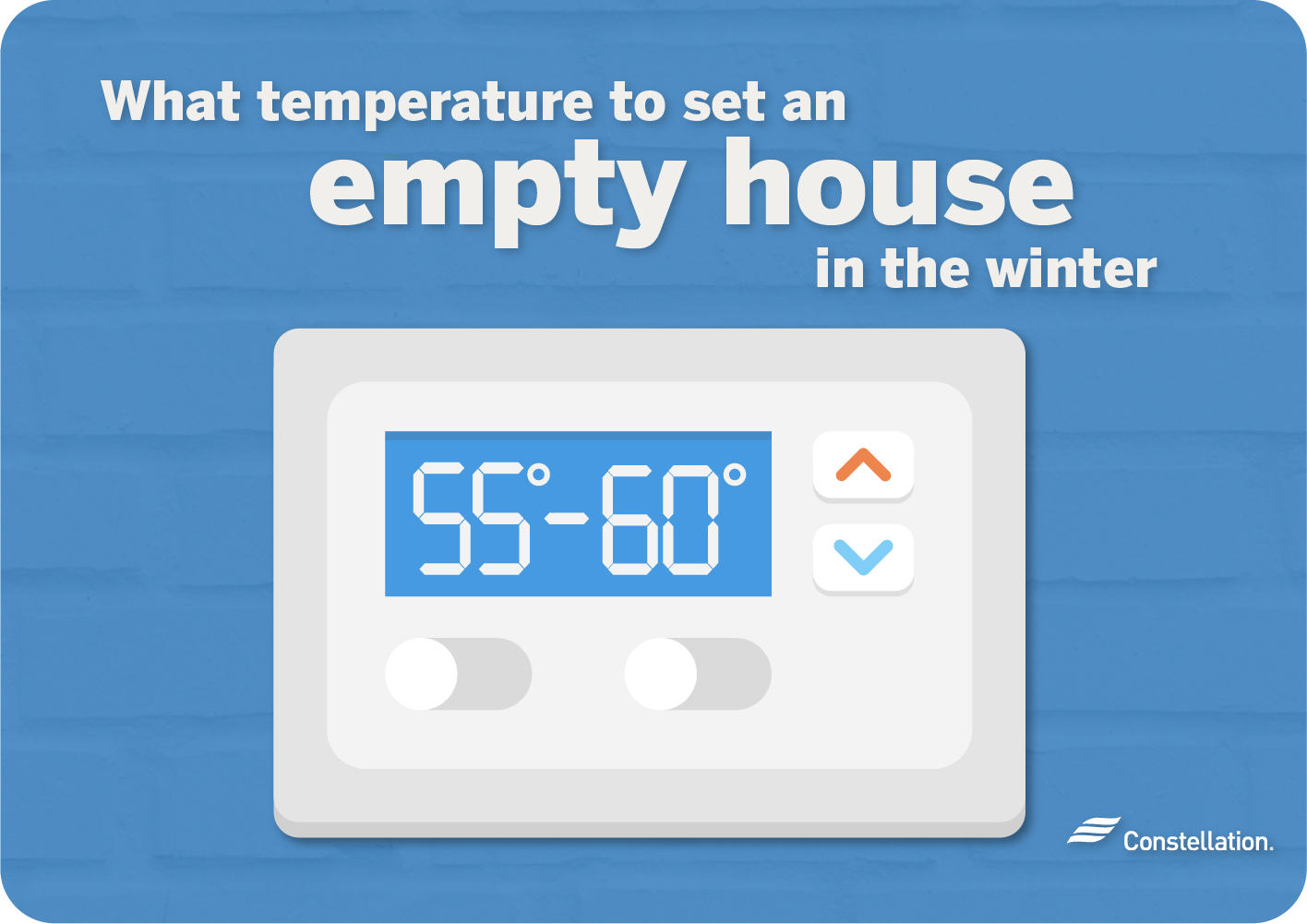
When you’re away from home: Don’t heat an empty house! When you head out for work or a weekend getaway, you can significantly drop your thermostat, typically to around 55-60°F (13-15°C). This is warm enough to prevent your pipes from freezing (a major winter woe!) but cool enough to give your heating system a much-needed break. A smart thermostat, by the way, is a game-changer for this, letting you adjust from anywhere with a tap on your phone.
Why Those Numbers Matter: Beyond Just Comfort
These seemingly arbitrary numbers aren't just plucked from thin air. They’re based on science, economics, and a little bit of common sense. Every degree you turn down your thermostat (especially during the day or when you’re away) can translate into a 1-3% saving on your heating bill. That might not sound like much, but over a long winter, it adds up to some serious coin for your next coffee run or even a small winter escape!

Culturally, we’ve always been seeking warmth. From ancient Roman hypocausts to medieval fireplaces, the quest for a cozy home is deeply ingrained. But with modern heating, we have the luxury of precise control. Knowing the optimal temps means we can be both comfy and
Smart Moves & Cozy Hacks for a Warmer Home
Beyond the thermostat, there are a plethora of clever ways to keep warm and make those optimal temperatures feel even toastier:
- Embrace Layers: Channel your inner Scandinavian with the concept of "hygge." Throw on a chunky sweater, some wool socks, and wrap yourself in a soft blanket. It's amazing how much difference a few layers of clothing make.
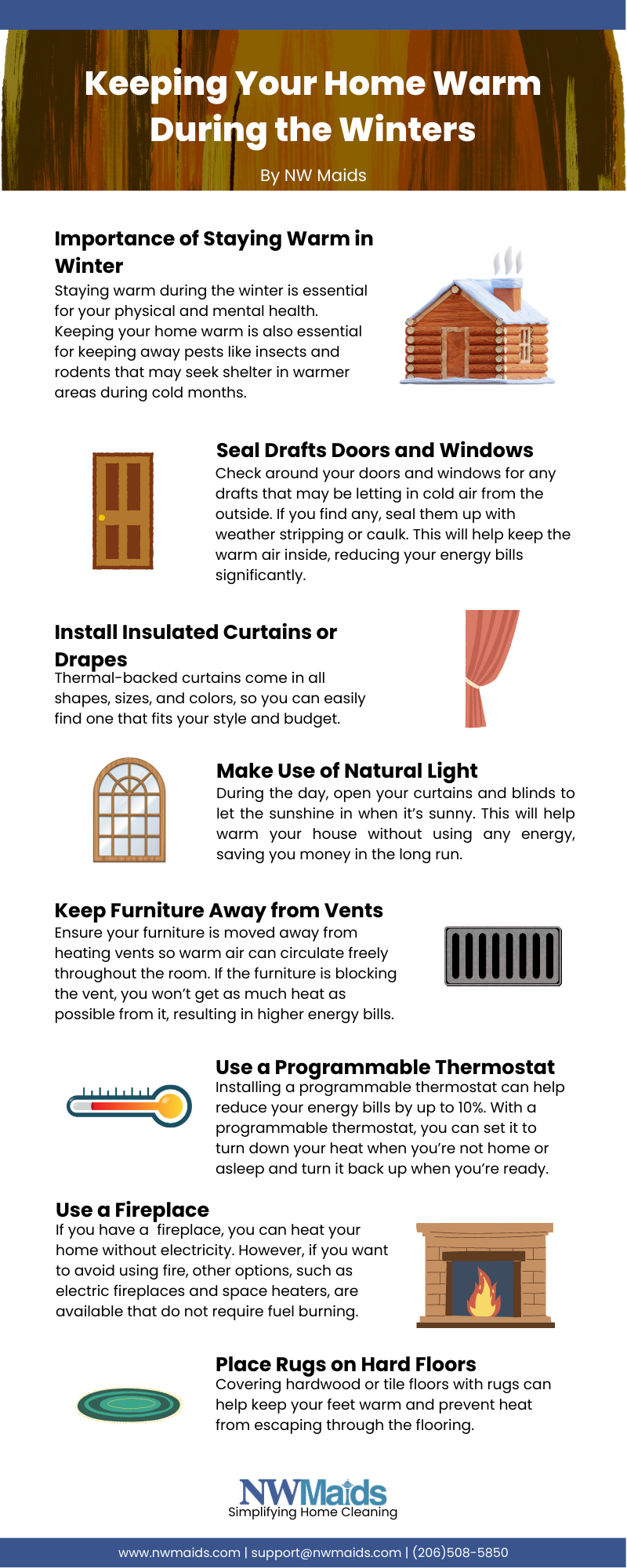
- Seal the Deal: Check for drafts around windows and doors. A simple draft stopper (or even a rolled-up towel) can make a huge difference. Consider weatherstripping or sealing any gaps around electrical outlets on exterior walls.
- Humidifiers are Your Friend: Dry winter air can make a room feel colder than it is. A humidifier adds moisture to the air, which actually feels warmer, plus it's great for your skin and sinuses!
- Harness Natural Heat: Open your curtains and blinds on sunny days to let natural light (and its accompanying warmth) stream in. Close them at dusk to trap that warmth inside.
- Cook Up Some Warmth: Using your oven or stovetop creates residual heat that can help warm your kitchen and adjacent rooms. Bake some cookies, roast a chicken – instant warmth and delicious smells!
Fun Fact Frolic: A Peek Into Heating History & Culture
Did you know that before central heating, people in many cultures relied on localized heating? The Japanese
The "ideal" room temperature has actually evolved over time. In the past, houses were generally kept cooler due to cost and technology. Our modern expectation of a uniformly warm home is a relatively recent luxury, making our ability to fine-tune it even more remarkable.
Wrapping Up: Your Winter Oasis, Your Way
Ultimately, your ideal winter home temperature is a personal journey, a delicate dance between comfort, cost, and consciousness. By understanding the general guidelines and implementing a few smart hacks, you can create an inviting oasis that feels just right, without sending your energy bill through the roof. It’s about being mindful, cozy, and smart all season long. So go ahead, find your perfect temperature, grab a warm drink, and enjoy the beautiful, crisp magic of winter from the warmth of your thoughtfully heated home.