Temp To Keep House In Summer
Alright, let's talk summer. Specifically, let's talk about that epic battle that starts pretty much the second the mercury decides to throw a party: the great thermostat war! Sound familiar? One person is shivering under a blanket in July, while the other is practically melting into a puddle on the couch. Oh, the drama!
It’s a classic, isn't it? The sun's blazing outside, humidity is giving your hair ideas it never asked for, and you just want your home to be that sweet, sweet oasis. But then comes the big question: what's the magic number? What temperature should we actually keep our house in the summer without breaking the bank or starting a family feud?
The Great Debate: Comfort vs. Cash
Look, we all want to be comfortable. Nobody wants to feel like they're living in a sauna, right? But then you get that utility bill, and suddenly you're doing math equations that would stump a rocket scientist. It's a tightrope walk, friends. A very, very warm tightrope walk if you're me and someone else keeps cranking it up!
Must Read
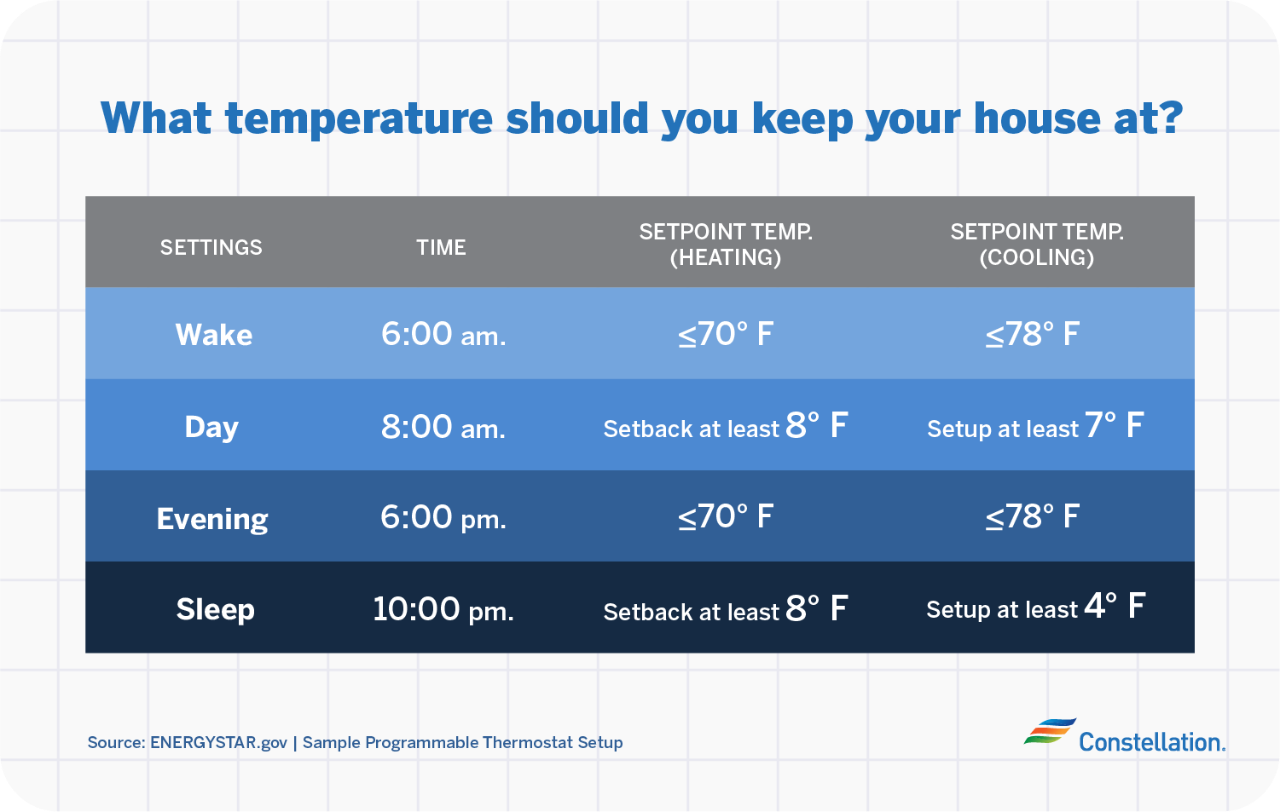
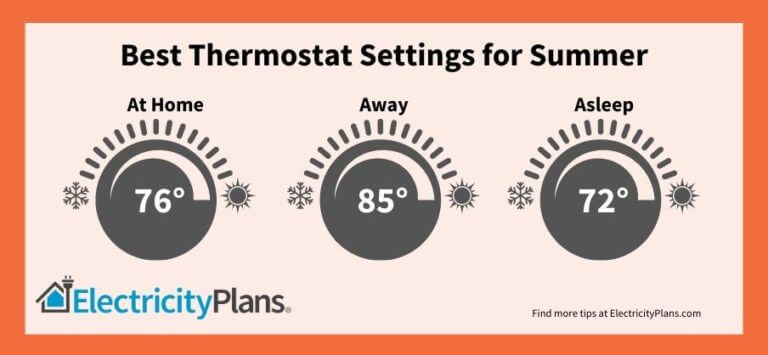
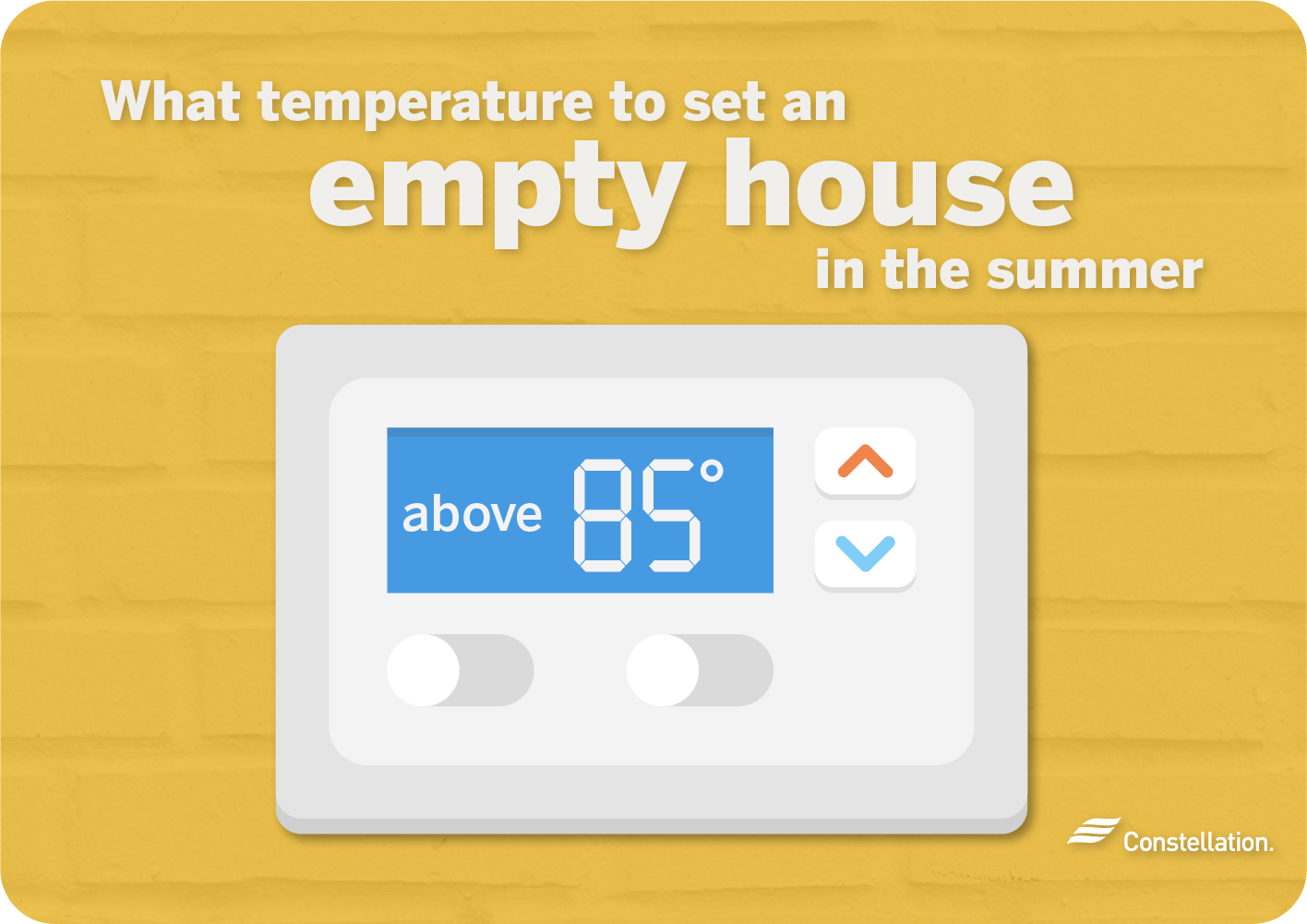
So, let's cut to the chase. The general consensus, the one that most energy experts and your wallet probably agree on, is somewhere in the range of 75 to 78 degrees Fahrenheit (that's about 24 to 26 degrees Celsius for my international pals). Yeah, yeah, I know what you're thinking. "That's it?!" For some of us, that might sound like a warm hug, for others, it's a tropical nightmare. But hear me out!
Think about it. Every degree you lower your thermostat below that sweet spot can bump up your energy usage by a surprising amount – often 3-5% per degree! That might not sound like much, but over a long, hot summer? Cha-ching! Or rather, cha-CHING! as your money flies out the window.
Why 75-78°F? Is That Even Possible?
Well, it's all about finding that sweet spot where you're not sweating profusely but your AC isn't working overtime like it's training for a marathon. Your body can actually adjust pretty well to temperatures slightly warmer than you might think, especially if you help it along a bit. We're talking strategic fan placement, friends!
And let's be real, going much lower than that often leads to that "icebox" feeling. You know, where you walk outside and the shock of the heat practically gives you whiplash? We want to avoid that. We want a gentle transition, not a sudden plunge into the arctic tundra followed by a dive into the Amazon.
Beyond the Thermostat: Your Secret Weapons
Okay, so you've set your thermostat to a reasonable 76°F. Now what? Are you still feeling a bit... warm? Don't panic! There are tons of little tricks that can make that recommended temperature feel much more comfortable. Consider these your personal cooling squad:
- Ceiling Fans are Your BFFs: Seriously, a good ceiling fan (running counter-clockwise, for max effect!) can make a room feel several degrees cooler without actually changing the thermostat setting. It’s all about that lovely breeze!
- Block the Sun: Close those blinds and curtains during the hottest parts of the day. Think of your windows as giant heat lamps. Don't let them toast your living room!
- Dress for Success: Light, breathable fabrics are your friends. Save the sweaters for, well, not summer.
- Hydrate, Hydrate, Hydrate: Drink plenty of water. A well-hydrated body just handles heat better. Plus, ice water is pretty darn refreshing!
- Cook Outside: Grilling is awesome for so many reasons, but one of the best is keeping that oven heat OUT of your kitchen.
Sleeping Soundly: A Different Story?
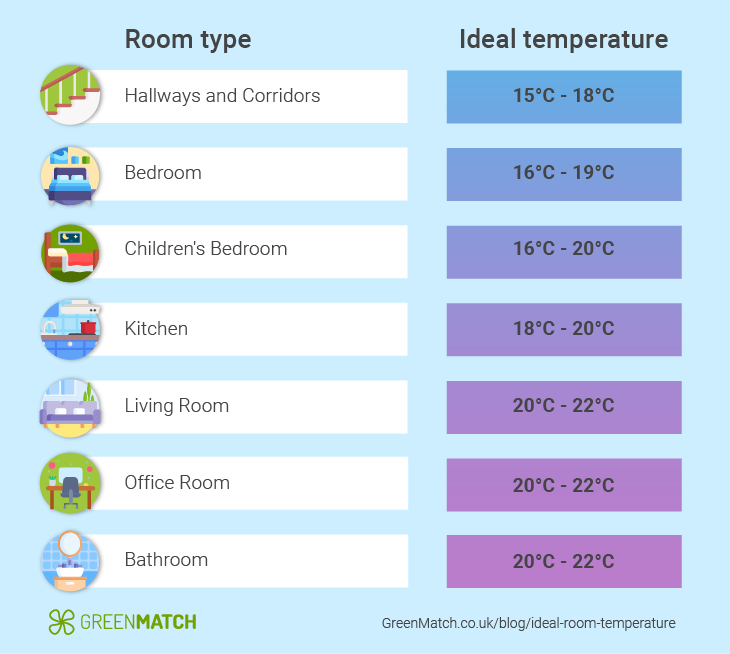
Now, when it comes to bedtime, things can shift a little. Most people find they sleep better in a slightly cooler environment. So, if you want to drop it down a couple of degrees for a few hours at night, say to 72-74°F, go for it! Just remember to set it back up when you wake up. A programmable thermostat is your best friend here. It's like having a tiny, energy-saving butler!

The Takeaway: It's All About Balance (and a Little Compromise!)
Ultimately, there's no one-size-fits-all answer, because we're all different. Your comfort level, your house's insulation, your local climate, and yes, even your relationship with your significant other (and their thermostat-fiddling tendencies!) all play a role. But aiming for that 75-78°F range during the day, using your fans, and blocking out the sun are fantastic starting points.
It's about finding that sweet spot where you're comfortable, your plants aren't wilting, and your bank account isn't screaming for mercy. Happy summer, everyone! And may your thermostat wars be brief and easily resolved. Maybe with a cold drink?