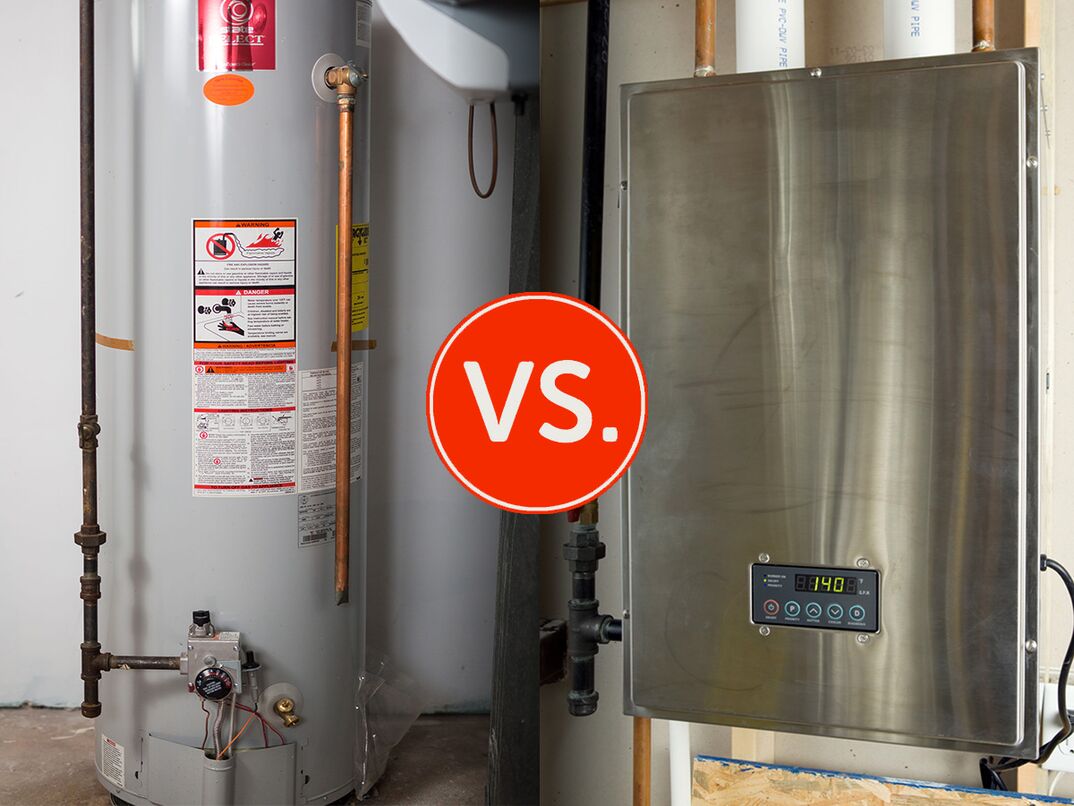
Tankless Water Vs Conventional Water Heaters
Let's face it, water heaters aren't exactly the most thrilling topic at a party. But knowing the difference between a tankless and a conventional water heater can save you money, headaches, and even help you be a little kinder to the planet. So, grab a cup of coffee (heated with water, of course!), and let's dive in.
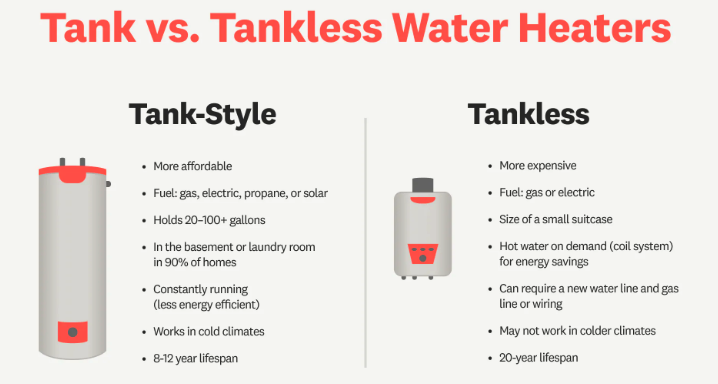
At its core, the question is simple: do you want to heat water and store it, or heat it only when you need it? That's the difference between a conventional water heater (with a tank) and a tankless (or on-demand) water heater.
For Beginners: Imagine a thermos versus a kettle. A conventional water heater is like a giant thermos constantly keeping a certain amount of water hot. A tankless water heater is like a kettle – it heats water only when you turn it on.
Must Read
For Families: Think about those hectic mornings. With a traditional tank, everyone's fighting for hot water, and the last one in the shower might get a chilly surprise. A tankless system, theoretically, provides endless hot water. However, it's important to understand the flow rate. If everyone's showering and the dishwasher is running, even a tankless system might struggle to keep up, depending on its capacity.

For Hobbyists & DIYers: Conventional tanks are generally easier (and cheaper) to install, often requiring only basic plumbing skills. Tankless systems, especially those using gas, can be more complex and may require professional installation due to gas line considerations and electrical requirements. They can also be a fun project for the experienced DIY enthusiast comfortable working with plumbing and gas lines (but always prioritize safety!).
Examples and Variations: Conventional water heaters come in different sizes (40-gallon, 50-gallon, etc.) and use electricity or gas. Tankless heaters also come in electric and gas models. Gas tankless are generally more powerful and can heat water faster, but require a gas line. Electric tankless are easier to install in some cases but may require upgrading your electrical panel, especially if you want to run multiple appliances simultaneously. There are also hybrid heat pump water heaters, which are essentially super-efficient conventional tanks that use heat pump technology to further reduce energy consumption.

Practical Tips for Getting Started:
- Assess your needs: How much hot water do you typically use? How many people are in your household?
- Check your energy bills: See how much you're currently spending on heating water.
- Research rebates and incentives: Many utility companies offer rebates for energy-efficient water heaters.
- Get quotes from multiple professionals: If you're considering a tankless system, get quotes from several plumbers to compare prices and installation costs.
- Consider the long-term cost: While tankless systems are more expensive upfront, they can save money over time due to their increased efficiency.
Choosing the right water heater doesn't have to be a daunting task. By understanding the difference between tankless and conventional systems, assessing your needs, and doing your research, you can make an informed decision that saves you money, provides reliable hot water, and maybe even sparks a conversation (or two!) at your next party. So go forth, and conquer the world of water heating!