Tank Vs Tankless Water Heater Pros And Cons
Let's talk water heaters! It might not sound like the most exciting topic, but trust me, choosing the right one can make a huge difference in your comfort and your wallet. Think about it: a long, hot shower after a tough day, a sparkling clean load of laundry, a dishwasher that actually dishes. All powered by… your trusty water heater. Today, we're diving into the age-old debate: Tank vs. Tankless. It's a showdown that affects everyone, from the solo apartment dweller to the bustling family home.
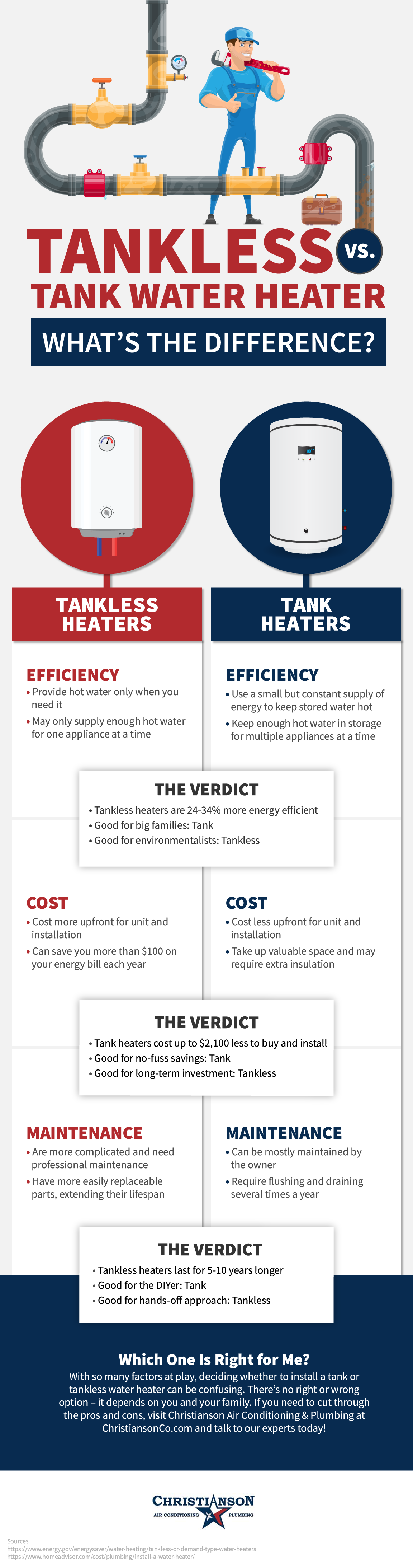
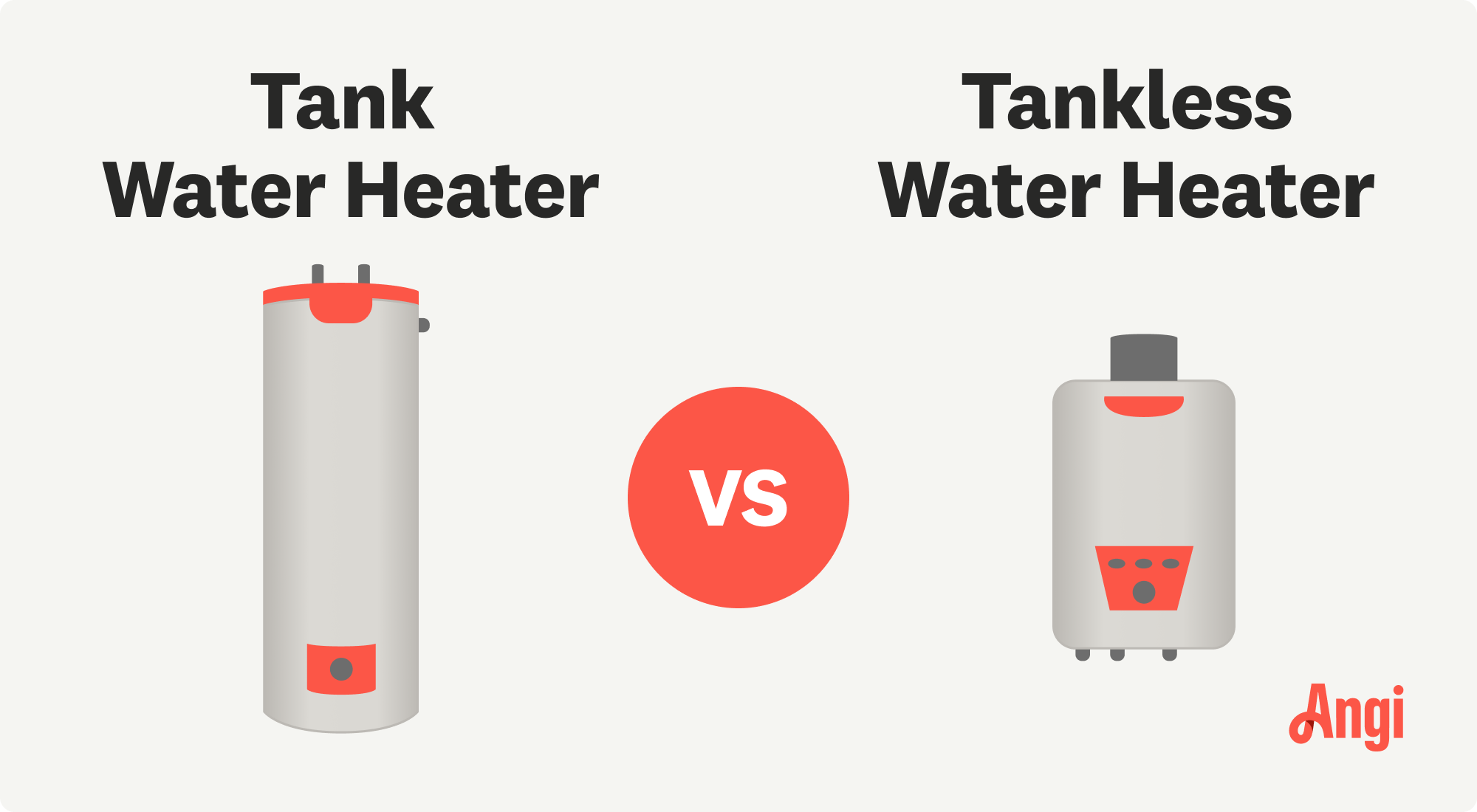
So, what’s the difference, and who benefits from each type? For the absolute beginner, the names pretty much give it away. A tank water heater stores hot water in a, well, tank! When you turn on the hot tap, that stored hot water is ready to go. A tankless, or on-demand, water heater heats water only when you need it. No tank, no stored hot water. Simple, right?
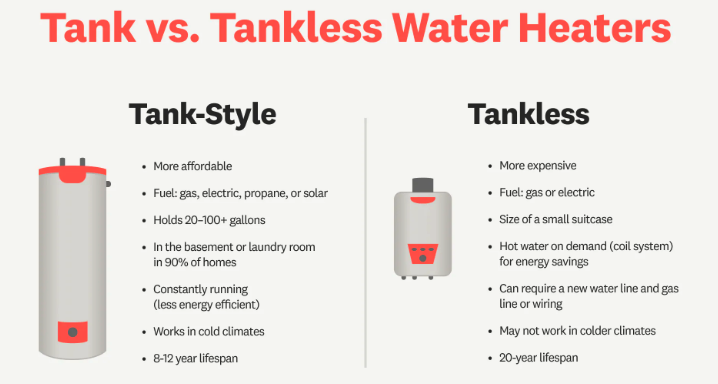
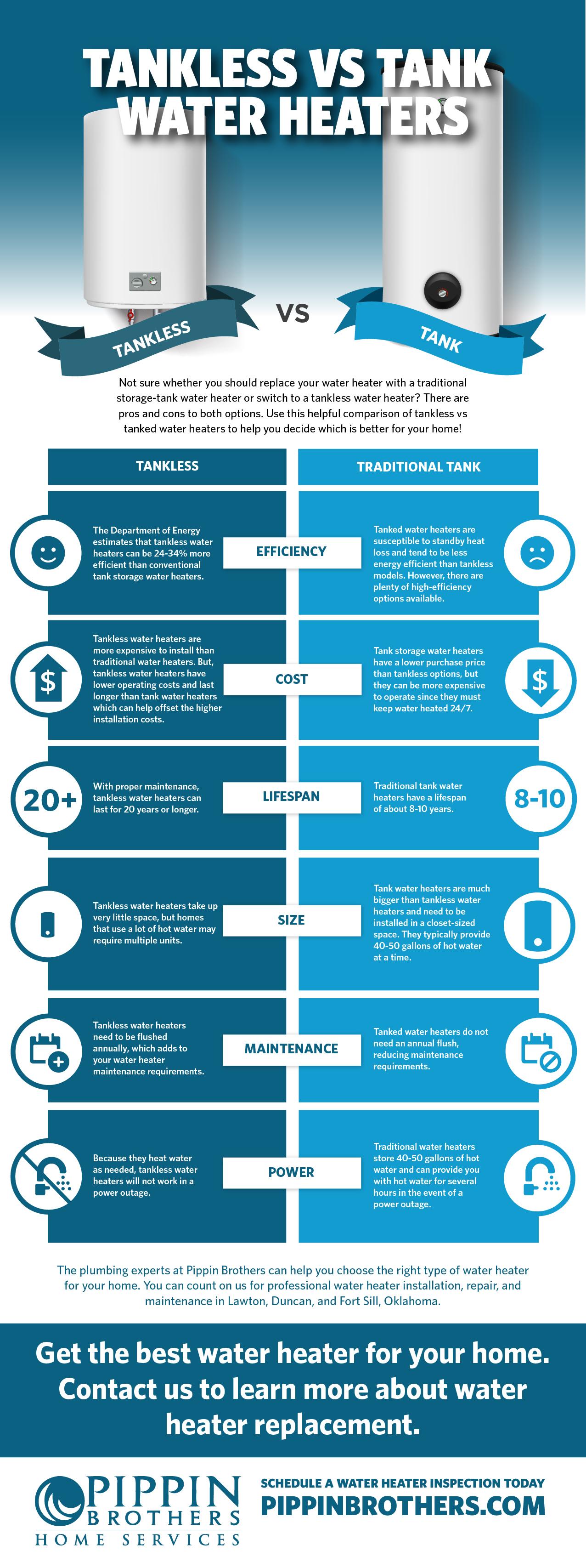
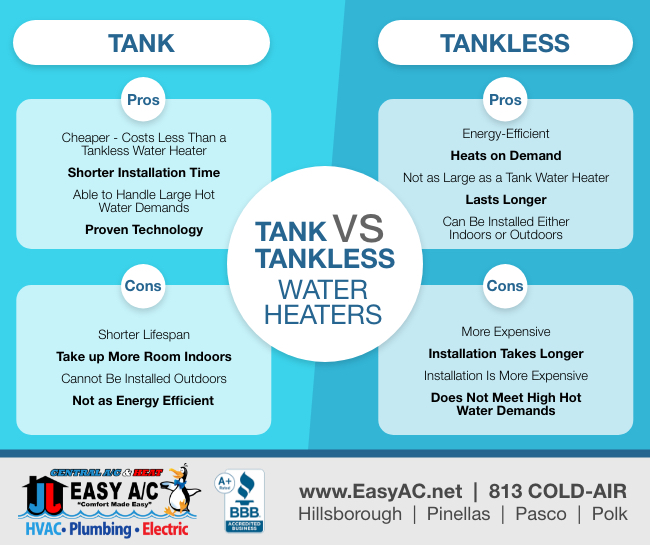
Now, let's break down the pros and cons for different lifestyles. For a family, the consistent supply of hot water from a tank heater can be a real lifesaver. Imagine multiple showers in the morning, followed by laundry and dishes. A tank heater, especially a larger one, can handle that demand. However, it also means constantly heating that water, even when you're not using it, which can lead to higher energy bills. Plus, tanks take up space, and they eventually need to be replaced (typically every 10-15 years).
Must Read
Tankless heaters shine in different scenarios. Hobbyists with a workshop needing occasional hot water for cleaning, or individuals in smaller homes, might find a tankless system more efficient. The biggest advantage is that you only pay for the hot water you use. No standby heat loss! Tankless heaters also have a longer lifespan (20+ years) and take up considerably less space. But be warned: they can struggle to supply multiple hot water demands simultaneously. Picture this: running the shower and dishwasher at the same time might result in a noticeable drop in water temperature.
There are variations, too. You can find tank heaters powered by electricity, natural gas, or propane. Similarly, tankless systems come in electric and gas models. The choice often depends on what utilities are already available in your home. Electric is generally cheaper to install but can be more expensive to operate in areas with high electricity rates. Gas typically offers faster heating and lower operating costs, but installation might be more complex.
Getting started is easier than you think. First, assess your needs. How much hot water do you typically use? How many people are in your household? What are your energy costs? Then, get quotes from a few different plumbers. They can assess your home's plumbing and electrical systems and recommend the best option for you. Don't be afraid to ask questions! A good plumber will explain the pros and cons of each system and help you make an informed decision. Finally, consider the long-term costs, including purchase price, installation, energy consumption, and maintenance.
Choosing between a tank and tankless water heater is a significant decision, but it doesn't have to be stressful. By understanding the benefits and drawbacks of each system and carefully evaluating your own needs, you can select the perfect water heater to keep the hot water flowing and your wallet happy. So, go forth and conquer the hot water conundrum – you've got this!