
Store In A Cool Dry Place Meaning Temperature
Ever stared at the back of a package of your favorite cookies, or a bottle of vitamins, and seen those four little words: "Store in a cool, dry place"? It seems simple enough, right? But what exactly does that mean?
Let's decode this mystery! Because the fate of your chocolate stash – or, you know, your expensive face cream – hangs in the balance.
Cool: Not Just a Vibe, It's a Temperature!
When we talk about 'cool,' we're not talking about that effortlessly chic friend who always knows the best new cafe. We're talking about temperature.
Must Read
Think Goldilocks: not too hot, not too cold, but juuuust right.
What's "Too Hot"?
Imagine leaving your precious chocolate bars in your car on a scorching summer day. Disaster! That's way, way too hot.
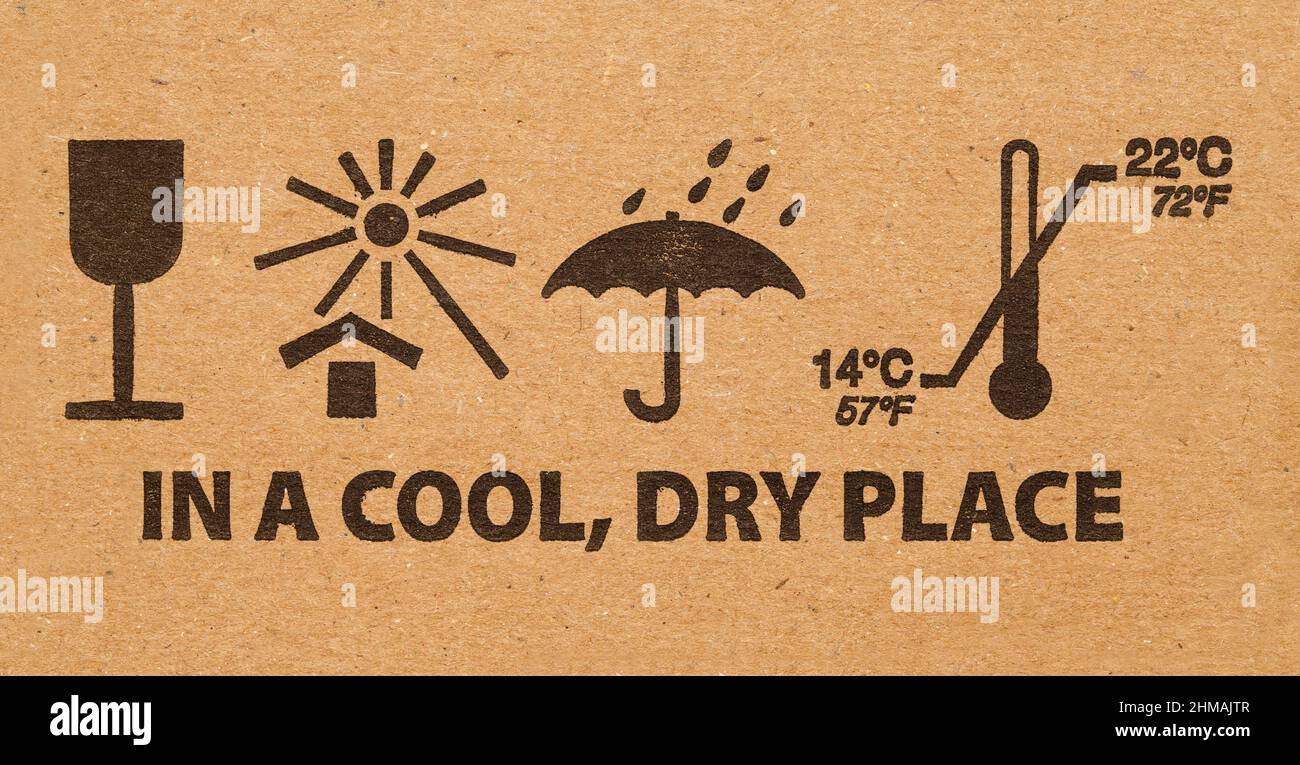
"Too hot" generally means anything above room temperature, say, over 75°F (24°C). Your poor candy melts into a sad, gooey mess. Your vitamins might degrade. Your spices could lose their potency.
Think of it this way: if you're sweating, your cookies are probably sweating too (metaphorically, of course. Unless you're baking cookies in the sauna. Which, don't.).
What's "Too Cold"?
Okay, so maybe you overcompensate and shove everything into the freezer. Not so fast! While freezing can preserve some things, it's not always ideal.
Some items, like certain creams or lotions, can separate or change texture when frozen and then thawed. Nobody wants grainy moisturizer! The same could happen for certain types of food.

Plus, constantly moving something from freezing to room temperature can create condensation, which leads us to our next key ingredient…
The "Just Right" Zone
So, what is this magical "cool" temperature we're aiming for? Generally, 60-70°F (15-21°C) is the sweet spot.
Think of a basement, a pantry, or even a cupboard that's not right next to the oven. These are usually good candidates for cool spots in your house. Not right next to the radiator either, that's a terrible place to store anything that says "store in a cool dry place".
The idea is to avoid extreme temperature fluctuations. Consistency is key!
Dry: Humidity's Worst Nightmare
Now, let's talk about "dry." This is just as important as temperature, if not more so for certain items.
Dryness is the enemy of mold, mildew, and that general feeling of "yuckiness." Basically, you want to avoid any environment that makes you think of a damp towel left in a gym bag.
The Moisture Menace
High humidity can wreak havoc on everything from crackers to medications. Crackers turn soggy (the ultimate betrayal!), and pills can degrade or become sticky.
And don't even get me started on what humidity does to electronics! Electronics are especially prone to damage when stored in humid environments.
Even things that seem sturdy, like books, can suffer in humid conditions, becoming warped and musty.
Finding Your Dry Oasis
So, how do you achieve dryness? Avoid storing things in the bathroom (unless they're specifically designed for that environment). Kitchens can also be tricky, especially near the sink or dishwasher.
A pantry, a linen closet, or even a well-ventilated drawer can be good options. Consider using desiccant packets (those little silica gel packets you find in shoe boxes) to absorb excess moisture.
If you live in a particularly humid climate, a dehumidifier can be your best friend. Just make sure to empty it regularly – nobody wants a dehumidifier overflowing with mildewy water!
Putting It All Together: Cool, Dry, and Happy Products
Now that we've broken down "cool" and "dry," let's see how this knowledge applies to some common household items.
The Kitchen Chronicles
Spices: Store them away from the stove to protect them from heat and humidity. Think of a dark, cool cupboard. Don't let those precious spices lose their potency!
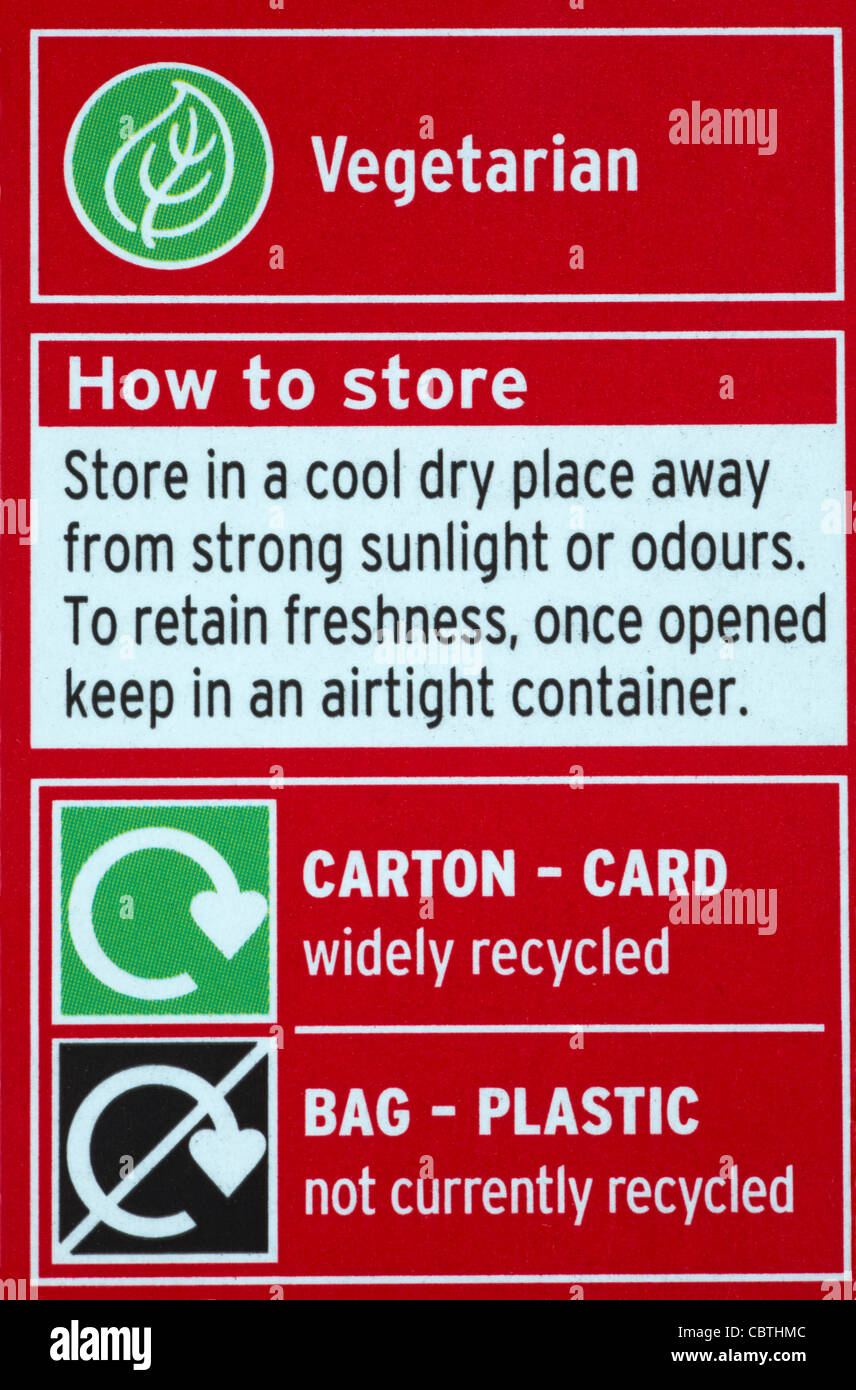
Dry Goods: Flour, sugar, pasta, crackers – all these guys crave a cool, dry environment. Airtight containers are your friends, protecting them from pests and moisture.
Oils: Oils can go rancid when exposed to heat and light. A dark, cool pantry is their ideal home. Olive oil especially benefits from this.
The Medicine Cabinet Mysteries
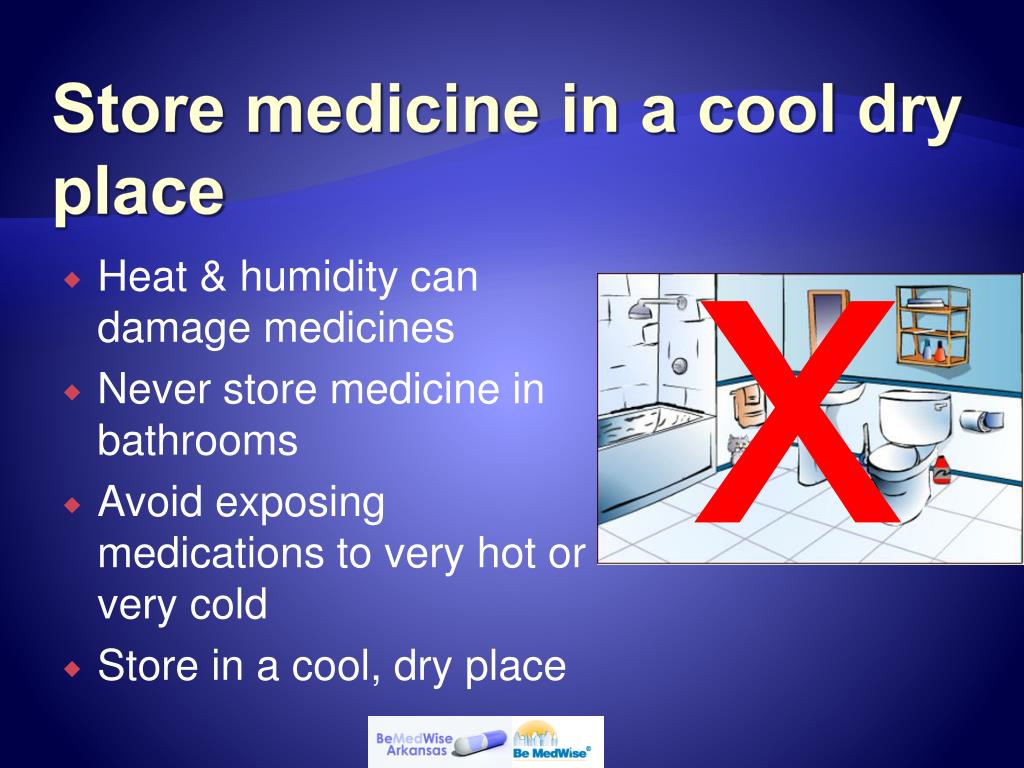
Medications: Heat and humidity can degrade medications, making them less effective or even harmful. The bathroom is usually not the place to store them, despite what your grandma might have told you!
Vitamins: Similar to medications, vitamins are sensitive to temperature and humidity. Find a cool, dry spot away from direct sunlight.
First Aid Supplies: Bandages, antiseptic wipes, etc., should also be kept in a cool, dry place to maintain their sterility and effectiveness.
The Beauty Product Bonanza
Skincare: Heat and humidity can break down active ingredients in skincare products, rendering them useless. Think serums, creams, and anything with retinol or vitamin C.
Makeup: While not as sensitive as skincare, makeup can still be affected by temperature and humidity. Lipstick can melt, powder can clump, and mascara can dry out.

Perfumes: Heat and light can alter the scent of perfumes. Store them in a dark, cool place to preserve their fragrance. A drawer or closet works well.
Beyond the Basics: When in Doubt, Read the Label!
While these are general guidelines, always check the specific instructions on the product label. Some items may have unique storage requirements.
For example, certain medications might need to be refrigerated. Others might be particularly sensitive to light and need to be stored in opaque containers.
Your best course of action is always to follow the manufacturer's recommendations.
Embrace Your Inner Storage Guru
So, there you have it! Storing items in a cool, dry place isn't rocket science. It's simply about being mindful of temperature and humidity and choosing the right storage locations.
By following these simple guidelines, you can extend the lifespan of your favorite products, save money, and avoid the disappointment of discovering a melted chocolate bar or a clump of expired vitamins.
Now go forth and conquer your pantry! Become the ultimate master of cool, dry storage! The fate of your cookies (and your skin) depends on it!