Stl Files On Creality Ender 3 3d Box Main Controller

Imagine a little robotic Michelangelo, humming away in your basement, patiently chiseling away not at marble, but at plastic. That's essentially what your Creality Ender 3 and its humble brain – the main controller box – are doing when you're 3D printing. And the secret language they speak is called an STL file.
STL Files: Not As Scary As They Sound
STL files are the blueprints, the architectural plans, the digital da Vincis behind every Yoda head, every custom phone case, every slightly-too-ambitious Warhammer figurine that springs forth from your 3D printer. Think of it like this: your printer is a tireless construction worker, and the STL file is the foreman shouting instructions – very, very specific instructions – on where to put each tiny grain of plastic.
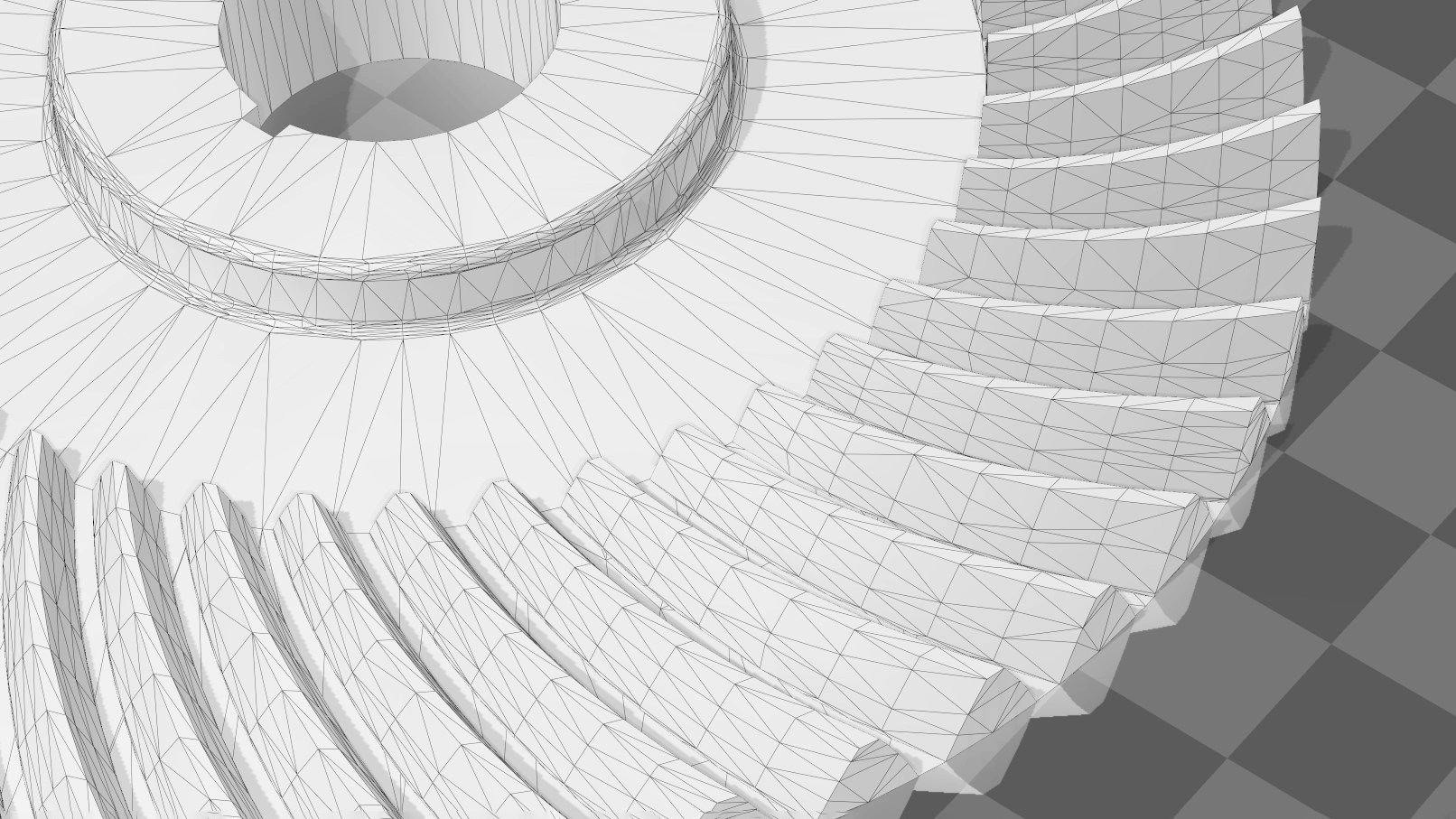
These files are basically a bunch of triangles. Lots and lots of triangles. So many triangles that they trick your eye into seeing a smooth, round dinosaur or a perfectly proportioned miniature Eiffel Tower. It's like pointillism, but with plastic! Your Ender 3 diligently follows these triangular breadcrumbs, layer by layer, until your digital dream becomes a physical reality.
Must Read
The Main Controller: The Brains of the Operation
Now, where does the Ender 3's main controller box come into play? This little box, often unassuming and slightly dusty, is the nerve center. It’s the translator, the interpreter, the project manager overseeing the whole 3D printing operation. You feed it the STL file (usually on an SD card, like a tiny digital scroll), and it transforms those triangles into commands for the motors that move the print head and build platform.
Think of the main controller as a super-organized, slightly OCD robot librarian. It knows exactly which layer to print next, how fast to move the print head, how hot to make the nozzle, and a million other tiny details. All based on the information meticulously laid out in the STL file.
It's actually quite amazing when you think about it. This little box, powered by an open-source firmware (Marlin, often), is capable of orchestrating such intricate movements and processes. It’s the unsung hero, often overlooked while we marvel at the finished print, but without it, your Ender 3 is just a pile of wires and metal.
Funny Fails and Unexpected Outcomes
Of course, sometimes things go hilariously wrong. We’ve all been there: spaghetti monsters of plastic, warped bases, or prints that decide to detach mid-build and become abstract art. While frustrating in the moment, these moments often lead to the best stories and the most ingenious problem-solving.
Did you forget to level the bed? The main controller, bless its heart, will still diligently try to print, resulting in a first layer that resembles a melted Dali painting. Did you choose the wrong print settings? Prepare for stringing, blobs, and a general sense of “what on earth happened here?”
But even in these moments of printing chaos, there's a certain charm. It's a reminder that even with all this technology, 3D printing is still a process of experimentation and learning. And the Ender 3, with its accessible price and open-source nature, is the perfect platform for those explorations.
More Than Just Plastic: A Community Connection
Beyond the technical marvel of turning digital files into physical objects, the world of 3D printing is about community. Sharing STL files, troubleshooting printing issues, and celebrating successful prints are all part of the experience. There are countless online communities dedicated to the Creality Ender 3, where users share tips, modifications, and STL files for everything imaginable.
So, the next time you're watching your 3D printer hum away, remember the humble STL file and the diligent main controller box. They're the silent partners in your creative journey, turning digital dreams into tangible realities, one triangle (and one potential spaghetti monster) at a time. Who knew a bunch of triangles could bring so much joy (and occasional frustration)?
And remember, when in doubt, Google it! Someone somewhere has probably already encountered your specific printing problem and found a solution. The 3D printing community is vast and helpful.
Happy printing!