State Income Tax Rate For Texas

Let's talk about something that might sound a little dry but is actually incredibly exciting for your wallet, especially if you live in, or are considering moving to, the Lone Star State! We're diving into the topic of the State Income Tax Rate for Texas, and trust me, it's more fun than it sounds because it means more money staying right where it belongs: in your pocket.
Why is this such a popular and useful topic? Simple. When we talk about income tax, we're usually talking about money that gets deducted from your paycheck before you even see it. Understanding your state's stance on this can have a huge impact on your financial planning, budgeting, and overall economic well-being. For Texas residents, this topic comes with a particularly cheerful revelation, which we'll get to in a moment!
So, what's the big benefit here for different folks? Let's break it down:
Must Read
- For beginners, perhaps someone just starting their first job or new to managing their finances, understanding that Texas has no state income tax means one less complex deduction to worry about. Your paycheck calculations instantly become a little simpler, giving you a clearer picture of your actual take-home pay.
- For families, this can translate directly into more funds available for everything from groceries and school supplies to saving for a down payment on a home or planning that much-needed family vacation. It means more financial breathing room and less stress when balancing the household budget.
- Even hobbyists or aspiring entrepreneurs benefit immensely. If you're building a side hustle or investing in a passion project, more of your earnings stay with you, providing extra capital to grow your venture or simply enjoy your hobby without an additional state-level tax burden on your income.
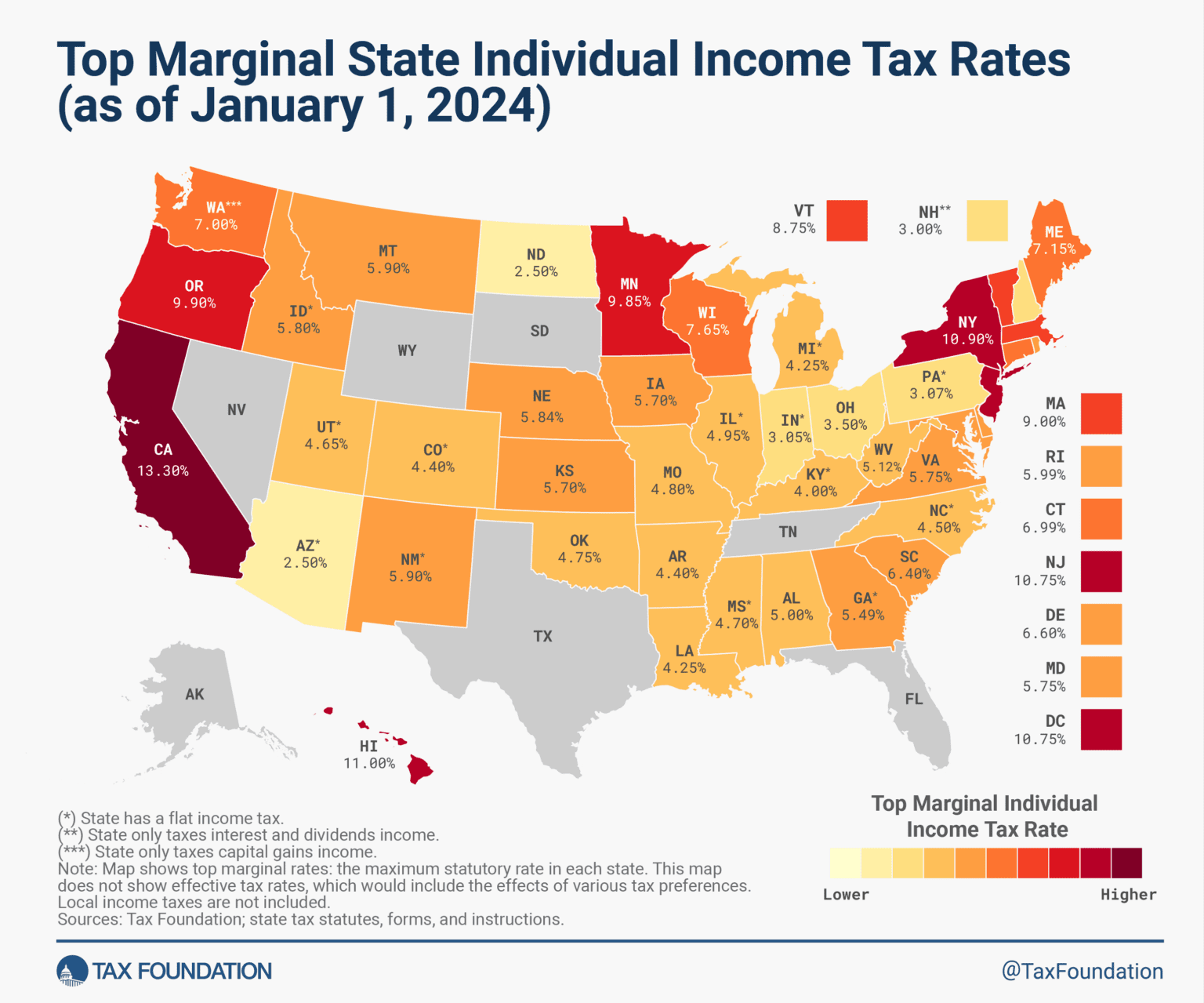
Now for the big reveal, and the best part about this topic: Texas is one of a handful of states that has no state income tax. That's right! While many other states collect a percentage of your earnings, Texas does not. This is a significant difference that often attracts new residents and businesses. It means that, after federal taxes are accounted for, your state government won't be taking an additional slice of your salary, wages, or investment income.
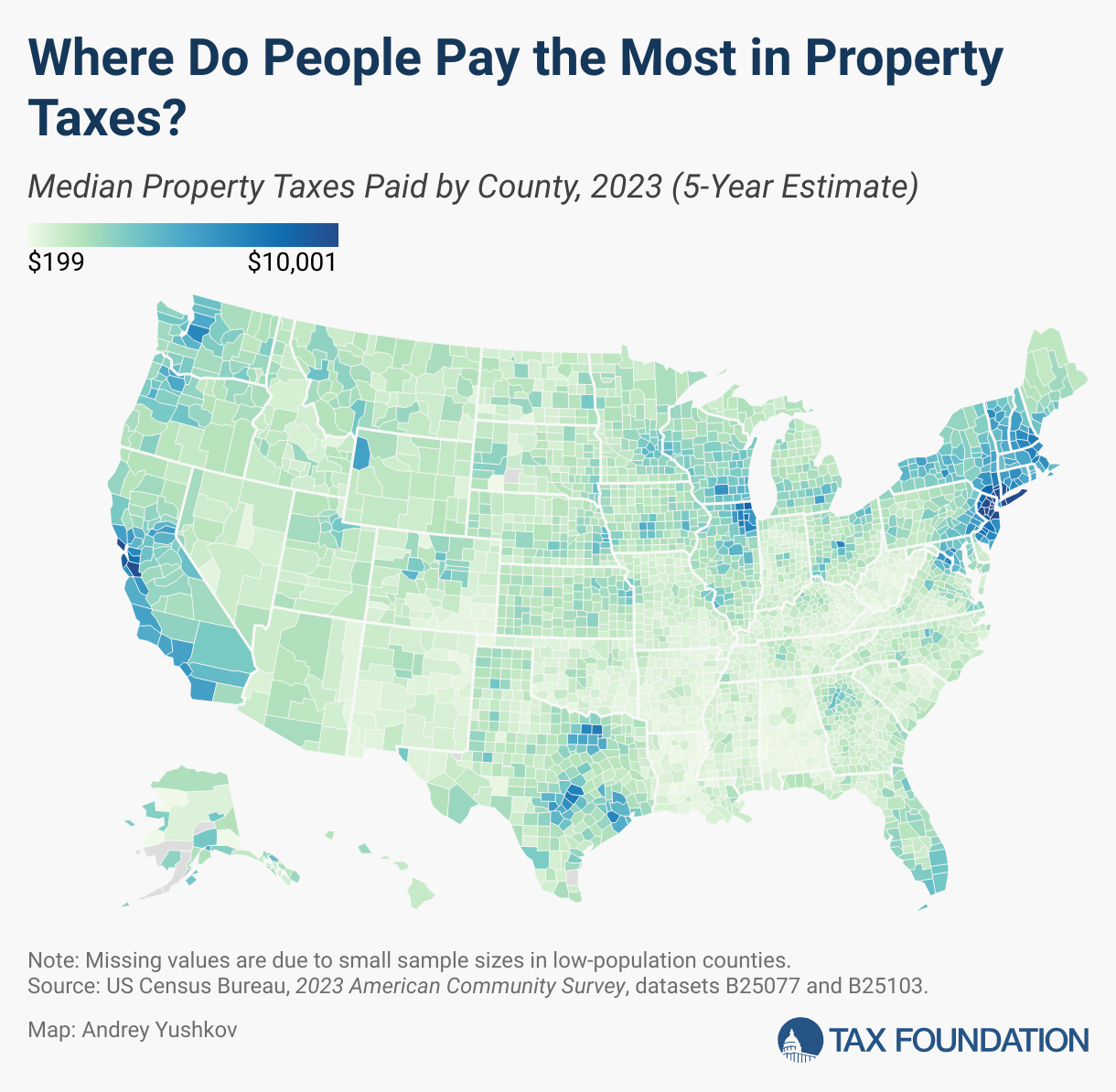
Of course, Texas still needs to fund its state services, so where does the money come from? Mostly from other sources like property taxes, sales taxes, and certain business taxes. So, while you're enjoying the benefit of no state income tax, it's always wise to be aware of these other taxes that contribute to the state's revenue. This balanced understanding helps you budget comprehensively.

Ready for some simple, practical tips for getting started with this knowledge?
- Don't Forget Federal Taxes: While there's no state income tax, remember you still have federal income taxes, Social Security, and Medicare taxes deducted from your paycheck.
- Understand Other Texas Taxes: Familiarize yourself with local property tax rates (which can vary significantly by county and city) and the state's sales tax. Knowing this helps you plan your overall financial picture.
- Use Your Advantage Wisely: With more take-home pay, consider putting that extra money towards savings, investments, paying down debt, or building an emergency fund. It's a fantastic opportunity to accelerate your financial goals.
In conclusion, diving into the State Income Tax Rate for Texas is surprisingly uplifting because it reveals a significant financial advantage. It offers more freedom and simplicity in your personal finances, allowing you to keep more of what you earn. Embrace this unique benefit, plan wisely, and enjoy the financial perks of living in a state where your income stays more firmly in your hands!