
Standard Vs Broad Form Vs Limited
Insurance, huh? Sounds thrilling, right? Okay, maybe not. But stick with me! We're diving into the wild world of policy forms: Standard, Broad, and Limited. Think of them like ice cream flavors. Vanilla (Limited), chocolate (Standard), and rocky road (Broad). Each one has its own unique swirl of coverage. Let's scoop in!
Limited Form: The Bare Bones
Limited form is, well, limited. Imagine a basic, super-budget hotel room. Bed? Check. Maybe a TV that only gets static? Probably. Frills? Fuggedaboutit! It covers a specific list of perils – things that can damage your property. Like, really specific. Think fire, lightning, and... uh... that's probably it. Okay, maybe a few more. But not many!
Seriously though, think of named perils. If it's not on the list, it's not covered. Did a rogue squirrel chew through your wiring? Sorry, Charlie! Was your house flattened by a giant marshmallow? You're on your own. (Although, that would be an epic insurance claim to witness!).
Must Read
Here's a quirky fact: Limited forms are often used for properties at higher risk, or those deemed less valuable. Think vacant buildings or maybe grandma's rickety old shed. It's basic protection for basic needs. Don't expect gourmet service with this one.
Standard Form: The Reliable Choice
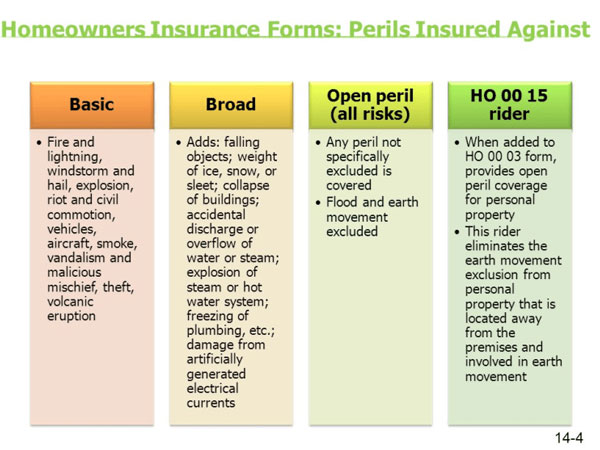
Standard form is like the trusty sedan of insurance policies. Dependable, practical, and covers a decent range of scenarios. It’s still a named perils policy, but the list is longer, and covers more common events.
We're talking fire, wind, hail, vandalism, theft. The usual suspects. So, your house gets hit by a tornado? You're likely covered! Some water damage too! Keep in mind that the fine print can change from policy to policy, so read it closely to know exactly what's on that list.
The standard form offers more peace of mind compared to Limited. It’s a good starting point for most homeowners. Think of it like the 'Goldilocks' option – not too basic, not too extravagant, just right.
Broad Form: The Comprehensive Coverage
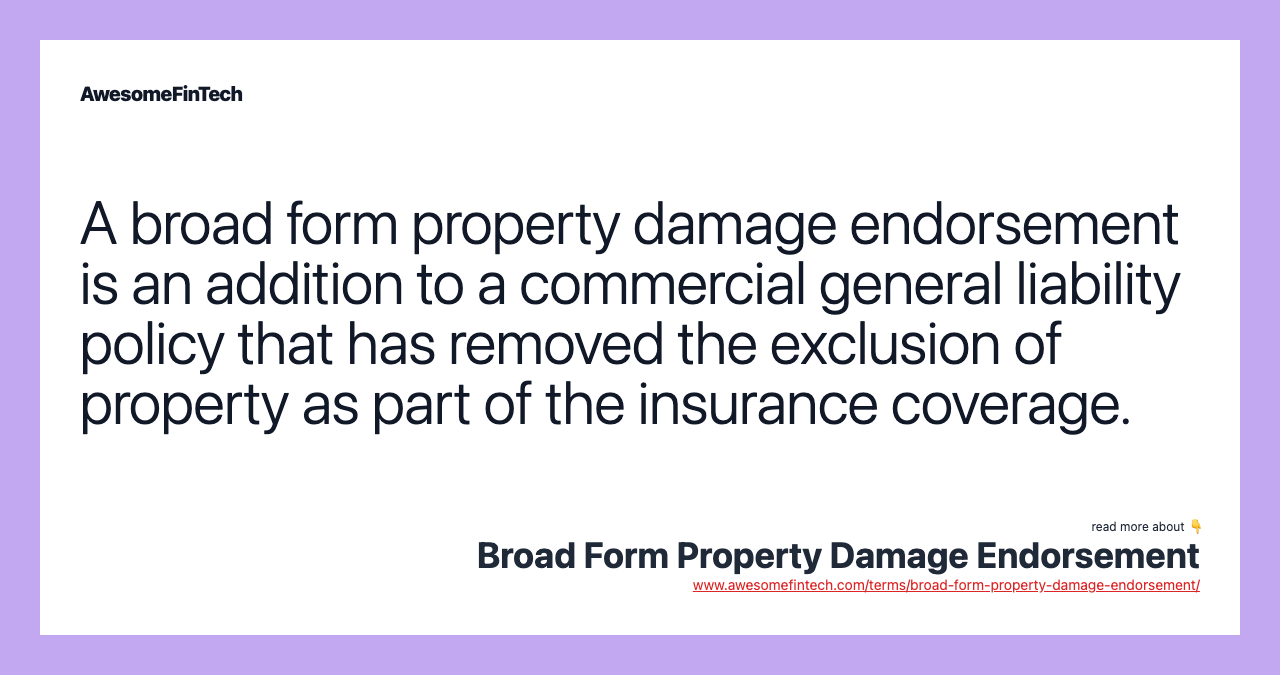
Now we're talking! Broad form is where things get interesting. Instead of named perils, it starts to flirt with the idea of open perils. This means it covers everything except what it specifically excludes. That’s right! If it doesn’t say it’s not covered, then it is covered! Big Difference.
Picture this: A swarm of angry butterflies descends upon your garden, devouring every rose bush. Your neighbor's prize-winning pet hamster escapes and throws a wild rave in your living room. These unlikely events might actually be covered! (Okay, maybe not the hamster rave, but you get the picture.)

Common exclusions typically involve things like earthquakes, floods, wear and tear, and acts of war. Think about it: if insurance covered everything, they'd go bankrupt faster than you can say "actuary nightmare!"
Broad form is the coverage that makes you feel secure. It's the "better safe than sorry" approach. Want that extra layer of protection against the weird and wacky? Broad form is your pal. It’s like having insurance for the apocalypse…or at least a really bad day.
Important Note: It's crucial to remember that even "Broad" form policies have exclusions. Always, always, always read the fine print. Understand what your policy covers and what it doesn't. Don't be afraid to ask your insurance agent questions. They're there to help you navigate this confusing world.

Standard Vs Broad Form Vs Limited: The Showdown
So, which one wins? There’s no single "best" option. It all depends on your individual needs and risk tolerance. A minimalist might be perfectly happy with the Limited form. A cautious homeowner might prefer the Broad form. And a savvy buyer might find the Standard form to be the sweet spot.
Cost is also a huge factor. Limited form is generally the cheapest, while Broad form is the most expensive. Think of it like buying a car. A basic model will cost less than a fully loaded one.
Here are a few things to consider when choosing a policy form:
- Location: Are you in an area prone to specific disasters like hurricanes or tornadoes?
- Property Value: How much would it cost to rebuild your property if it were destroyed?
- Personal Risk Tolerance: How much risk are you comfortable taking on?
- Budget: How much can you afford to spend on insurance premiums?
It's Actually Pretty Fun! (Kinda...)
Okay, maybe "fun" is a strong word. But understanding insurance policy forms empowers you to make informed decisions. It’s like learning a secret language! You can impress your friends at parties! (Okay, maybe not. But you'll be prepared for any insurance-related trivia night!).
The important takeaway? Don't blindly accept the first policy you see. Do your research. Compare quotes. Ask questions. And choose the policy form that best protects your property and your peace of mind.
Now go forth and conquer the world of insurance! Or, at least, understand it a little bit better. You got this!