
Stainless Steel Type 304 Vs 316
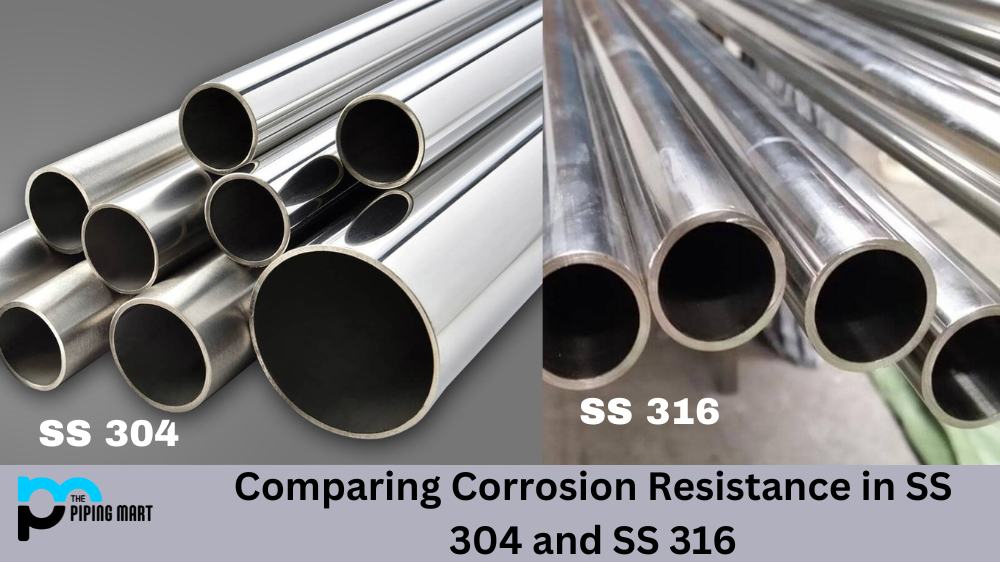
Ever look around and notice how much shiny, resilient metal is in our lives? From your kitchen sink to a sleek skyscraper, stainless steel is absolutely everywhere. It's the unsung hero, quietly resisting rust and looking fabulous while doing it. But here’s a fun little secret: not all stainless steel is created equal! Nope, there are different types, each with its own quirks and superpowers. Today, we’re going to dive into a friendly rivalry between two of the most common ones: Type 304 and Type 316.
Think of them as the dynamic duo of the stainless steel world, or maybe more like two cousins with slightly different personalities and skill sets. On the surface, they look almost identical, but dig a little deeper, and you'll find some fascinating differences that make all the difference in the world.
Meet the Family: What Makes Stainless Steel "Stainless"?
Before we pit 304 against 316, let's quickly chat about what makes any steel "stainless." It's mostly thanks to a healthy dose of chromium. When chromium is exposed to air, it forms an invisible, super-thin layer on the steel's surface. This layer is like a microscopic force field, constantly repairing itself, protecting the steel underneath from rust and corrosion. Pretty neat, right?
Must Read
The Big Reveal: It's All About Molybdenum!
So, if both 304 and 316 have chromium (and nickel, for that matter, which adds to their strength and ductility), what's the big difference? Drumroll, please... it’s a special ingredient called molybdenum! This is where our two cousins diverge.
Type 304 stainless steel is like the well-rounded, reliable athlete. It's fantastic for general-purpose use, containing about 18% chromium and 8% nickel. It’s incredibly versatile and probably what you interact with most often.
Now, enter Type 316 stainless steel. This one takes the reliability of 304 and sprinkles in an extra dose of awesome: about 2-3% molybdenum. And oh boy, does that little bit of molybdenum make a huge difference!
Molybdenum's Superpower: Extreme Corrosion Resistance!
What does molybdenum do? It's like giving our stainless steel a super-advanced, extra-thick raincoat, especially against one particularly nasty foe: chlorides. Think of saltwater, brine, de-icing salts, or even certain harsh industrial cleaning chemicals. These are the arch-nemeses of many metals, causing pitting and crevice corrosion.

With its molybdenum shield, Type 316 stands up to these corrosive environments like a true champ. It’s significantly more resistant to these specific types of attack compared to 304. It’s like the difference between a regular umbrella and one designed to withstand a hurricane!
Where 304 Shines (The Everyday Hero)
So, where do you typically find our trusty 304? Well, as the "everyday hero," it's probably in your kitchen! Think of your:
- Sinks and countertops: Easy to clean, resistant to common food acids.
- Cutlery and cooking utensils: Safe, durable, and shiny.
- Appliances: Refrigerators, dishwashers, oven panels.
- Architectural trim: Inside buildings, where it’s not exposed to super harsh conditions.
- Food processing equipment: Highly hygienic and easy to sanitize.
It’s a fantastic, cost-effective choice for a huge range of applications where it just needs to look good and resist general wear and tear. It’s the reliable workhorse you can count on day in and day out.
Where 316 Steps Up (The Specialist/Superhero)
And where does 316, with its molybdenum superpower, truly come into its own? This is where conditions get tough, and failure simply isn't an option:
- Marine environments: Boats, ship fittings, dock hardware – anywhere exposed to salty sea air or water. This is its natural habitat!
- Chemical processing plants: Handling strong acids and industrial chemicals.
- Medical and pharmaceutical equipment: Surgical instruments, implants, cleanroom components – hygiene and extreme resistance to sterilization chemicals are paramount.
- Outdoor architectural elements in coastal areas: Buildings near the ocean need that extra rust protection.
- Swimming pool components: Chlorine is a chloride, and 316 handles it much better.
Essentially, if you’re looking at something that needs to survive extreme saltiness, high chlorine levels, or harsh chemical exposure, chances are you’re looking at Type 316. It’s the specialized tool for the specialized job.
The Price Tag: You Get What You Pay For
Naturally, that extra molybdenum comes with a slightly higher price tag. Type 316 is generally more expensive than Type 304. This is why you don’t find 316 in every kitchen sink; it’s often overkill for everyday use.
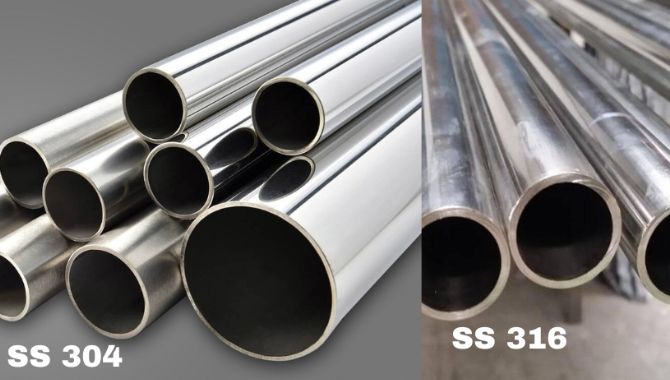
The choice between them often comes down to a balance of cost versus the specific demands of the environment. If you're building a deck railing in Idaho, 304 is probably perfect. If that railing is for a beachfront property in Florida, 316 is a much smarter (and ultimately cheaper in the long run) investment.
So, Which One is "Better"?
Neither is inherently "better" than the other! It really depends on the mission. Type 304 is the fantastic, versatile all-rounder, perfect for most indoor and moderately exposed outdoor applications. Type 316 is the specialized, heavy-duty champion, built to withstand the harshest corrosive environments.
Isn't it fascinating how a tiny difference in chemical composition can lead to such a huge impact on performance and application? The next time you spot something shiny made of stainless steel, maybe you'll wonder if it's the everyday hero 304, or the super-tough 316 doing its silent, amazing work. It's a subtle reminder that often, the coolest innovations are hidden in the details!