Stainless Steel Sheet Gauge Thickness Chart

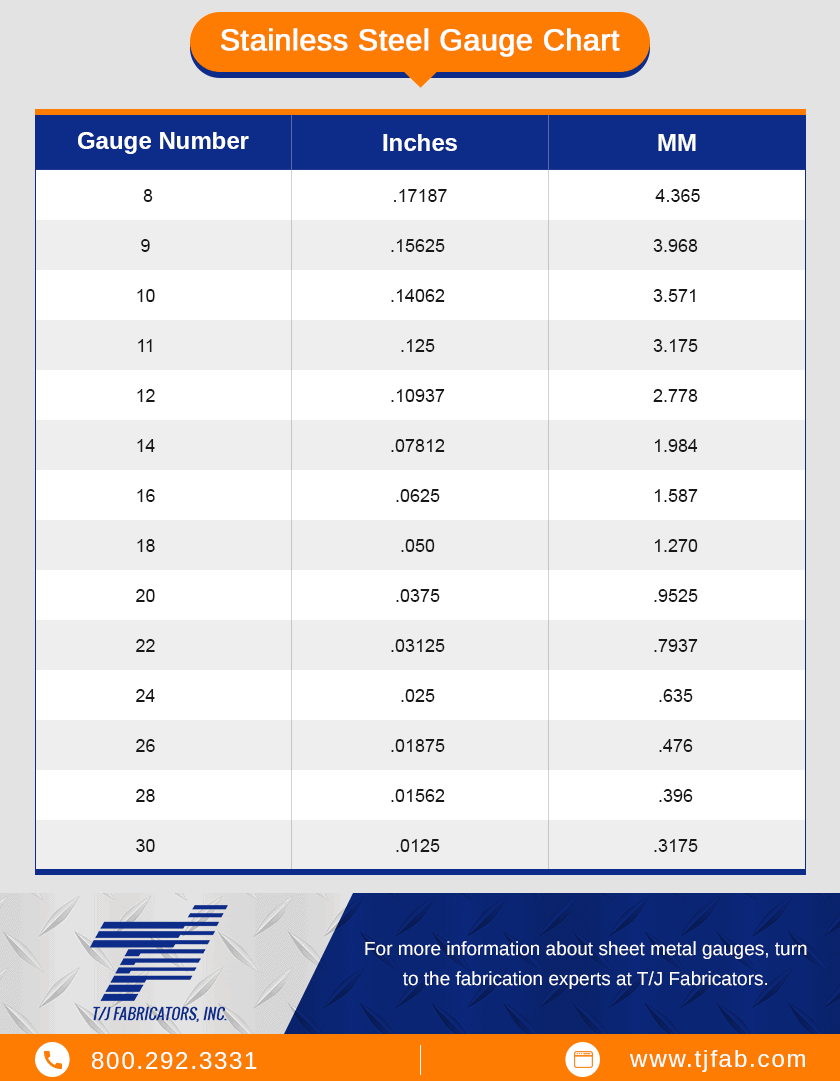
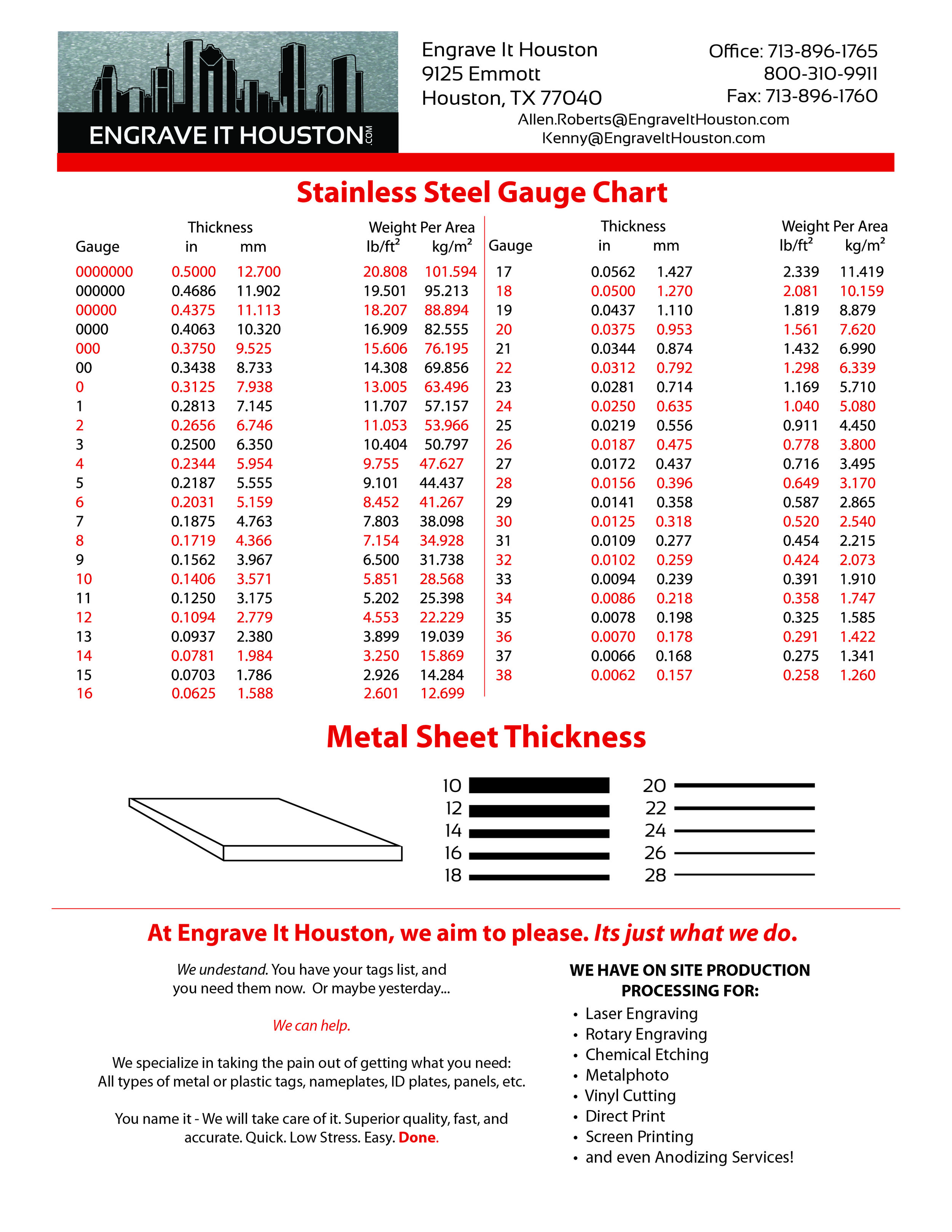
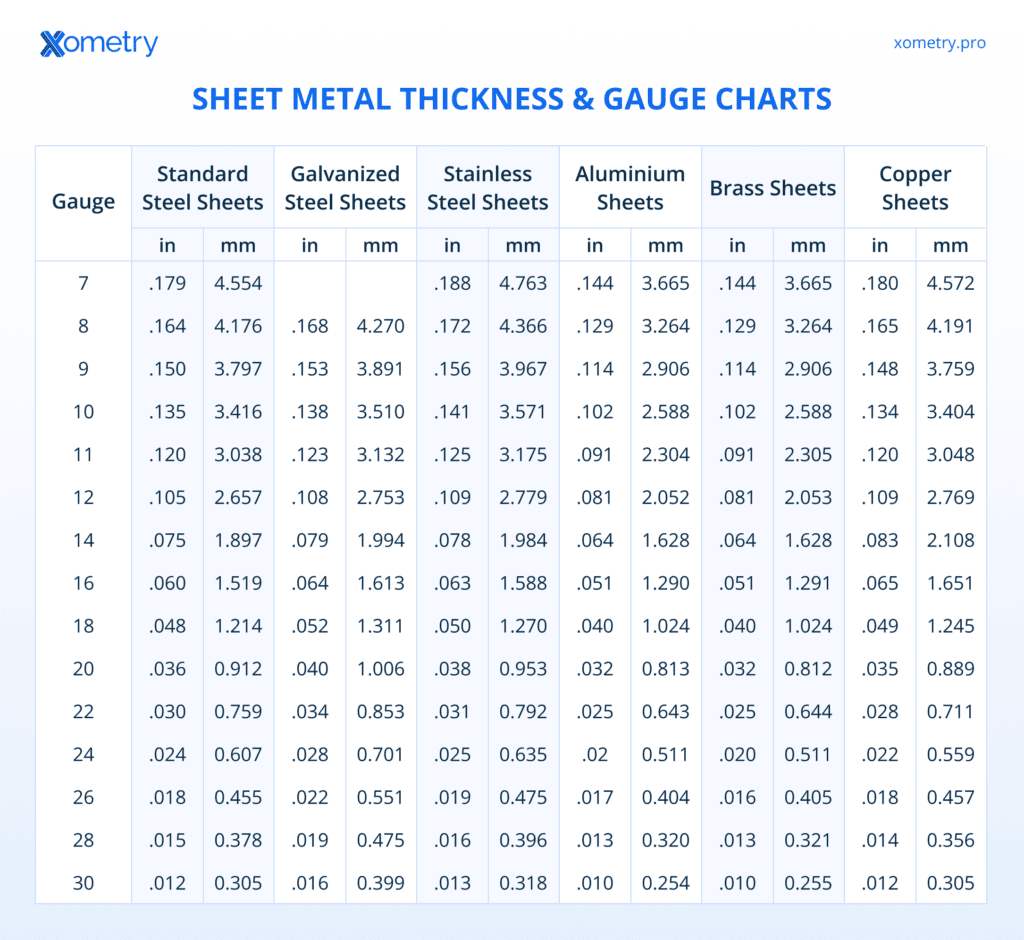
Have you ever admired a sleek, modern sculpture, a shimmering kitchen backsplash, or even the sturdy build of your favorite appliance and wondered about the secret behind its polished perfection? Chances are, stainless steel sheet played a starring role. But not all stainless steel is created equal! That's where the unassuming hero – the Stainless Steel Sheet Gauge Thickness Chart – comes into play. It's a simple table, often overlooked, but possessing surprising creative and practical power.
For artists, hobbyists, and even the casually curious, understanding stainless steel sheet gauge is like unlocking a new dimension of possibilities. Forget being limited by pre-made materials! This chart lets you choose the exact thickness you need for your project. Think about it: a delicate, filigree pendant requiring the thinnest gauge for intricate cuts and bends, versus a robust, weather-resistant sign needing a thicker gauge to withstand the elements. The chart empowers you to make informed decisions, ensuring durability, workability, and the overall success of your creative vision.
Consider the applications! Artists might use thinner gauges (like 26 or 28) for creating lightweight jewelry components or etched designs. The reflectiveness of stainless steel lends itself beautifully to kinetic art, catching and playing with light. Sculptors often opt for medium gauges (16-22) for building more substantial forms, perhaps abstract sculptures or functional art like stylish planters. Home improvement enthusiasts can use thicker gauges (10-14) for crafting custom backsplashes, durable kick plates, or even unique wall art panels. Imagine a shimmering, geometric design reflecting light throughout your kitchen! The possibilities are truly endless.
Must Read
Ready to give it a try at home? Here are a few tips to get you started: Firstly, invest in a good quality gauge chart. Many are available online for free or for a small cost. Secondly, research the appropriate tools for cutting and shaping stainless steel based on its gauge. Thinner gauges can often be cut with heavy-duty scissors or shears, while thicker gauges might require specialized tools like a metal cutting saw or plasma cutter. Always prioritize safety – wear safety glasses and gloves. Thirdly, start small! Practice on scrap pieces to get a feel for how the different gauges behave under pressure and with various tools. Finally, don’t be afraid to experiment! Embrace imperfections as part of the learning process.
Working with stainless steel, and understanding its gauge, can be incredibly enjoyable. There's a unique satisfaction in transforming a raw material into something beautiful and functional. The durability and inherent shine of stainless steel offer a timeless quality that other materials simply can't match. Plus, the act of creation itself is rewarding, providing a creative outlet and a sense of accomplishment. So, dive into the world of stainless steel gauges, and unlock your inner artist or DIY enthusiast! You might just surprise yourself with what you can create.