
Stainless Steel Saute Pan 18 10
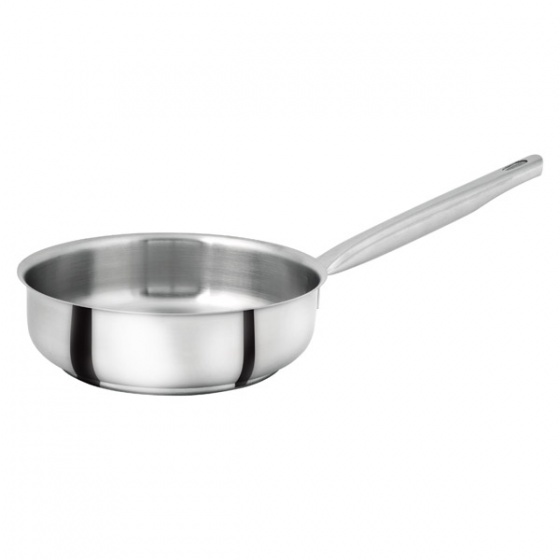
Okay, hands up if you've ever had that utterly soul-crushing moment in the kitchen where you're trying to sear something – maybe a beautiful piece of salmon, or some perfectly seasoned chicken thighs – and it just… sticks. Like, really sticks. You wrestle it, you curse at the pan (don't lie, we all do it), and what you end up with is less a culinary masterpiece and more a tragic, crusty, fragmented mess that's somehow fused itself to the bottom of your supposedly "non-stick" pan. Been there, right? My kitchen has certainly seen more pan-related meltdowns than a toddler's birthday party.
It was after one such epic battle with a stubbornly adhesive piece of halloumi that I finally threw in the towel on flimsy, short-lived cookware. I yearned for a pan that could handle the heat, perform like a champ, and frankly, just look good doing it. My quest led me down a rabbit hole of materials, coatings, and culinary jargon, only to emerge enlightened and slightly obsessed with one particular beast: the stainless steel sauté pan, specifically the 18/10 variety.
The Mysterious "18/10": What Even Is That?
If you're anything like me, your first thought was probably, "Is that like, a perfect score? Or a date?" Nope, my friend, it's far more practical (and less romantic). The "18/10" on your stainless steel pan refers to its composition: 18% chromium and 10% nickel. Think of chromium as the superhero that gives stainless steel its incredible rust and corrosion resistance – it’s what makes it "stainless."
Must Read
And the nickel? That's the unsung hero that adds extra shine, durability, and a much-appreciated resistance to pitting and staining. Basically, it makes your pan tougher, prettier, and less likely to throw a fit when exposed to acidic foods. It’s the Goldilocks zone for culinary grade stainless steel – just right for heavy-duty kitchen work, ensuring your pan stays looking sleek and performing brilliantly for years. No weird metallic tastes leaching into your food here, either. Pure, unadulterated cooking bliss.
Why a Sauté Pan and Not Just... Any Old Pan?
Now, you might be thinking, "I have a frying pan, isn't that good enough?" Bless your heart, dear reader. While a frying pan has its place, a sauté pan is like its more sophisticated, versatile cousin. The key difference? Straight, high sides.
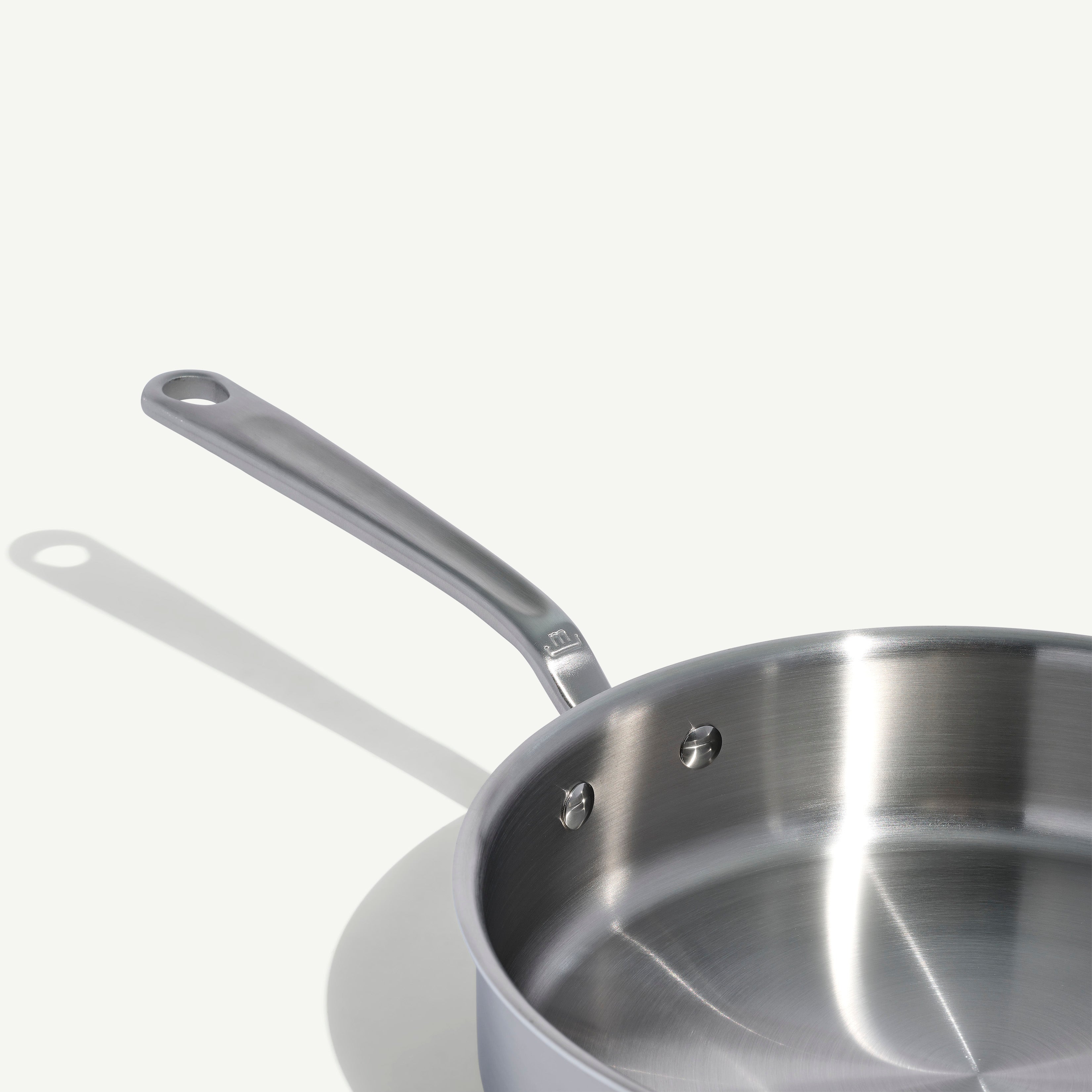
This isn't just an aesthetic choice; it's a game-changer. Those tall sides mean less splatter all over your pristine kitchen (you're welcome). More importantly, they give you serious capacity. You can brown a batch of chicken thighs, then easily add broth, vegetables, and cream to make a luscious one-pan meal without overflowing the pan and creating a secondary mess on your stovetop. Ever tried to deglaze a frying pan with sloped sides? It’s a messy exercise in futility. A sauté pan, however, embraces liquids, making it perfect for simmering sauces, braising smaller cuts, or even making a decent risotto. It’s the ultimate multi-tasker, folks.
The Indestructible Charm of Stainless Steel
So, we've got the 18/10 and the sauté pan shape. Why stainless steel over, say, cast iron or non-stick? For starters, durability is paramount. This isn't a pan you'll be tossing after a year because the coating chipped. Stainless steel can take a beating. It’s oven-safe (check handle materials, but usually yes!), works on induction, and laughs in the face of metal utensils (mostly – still be gentle, you monster).
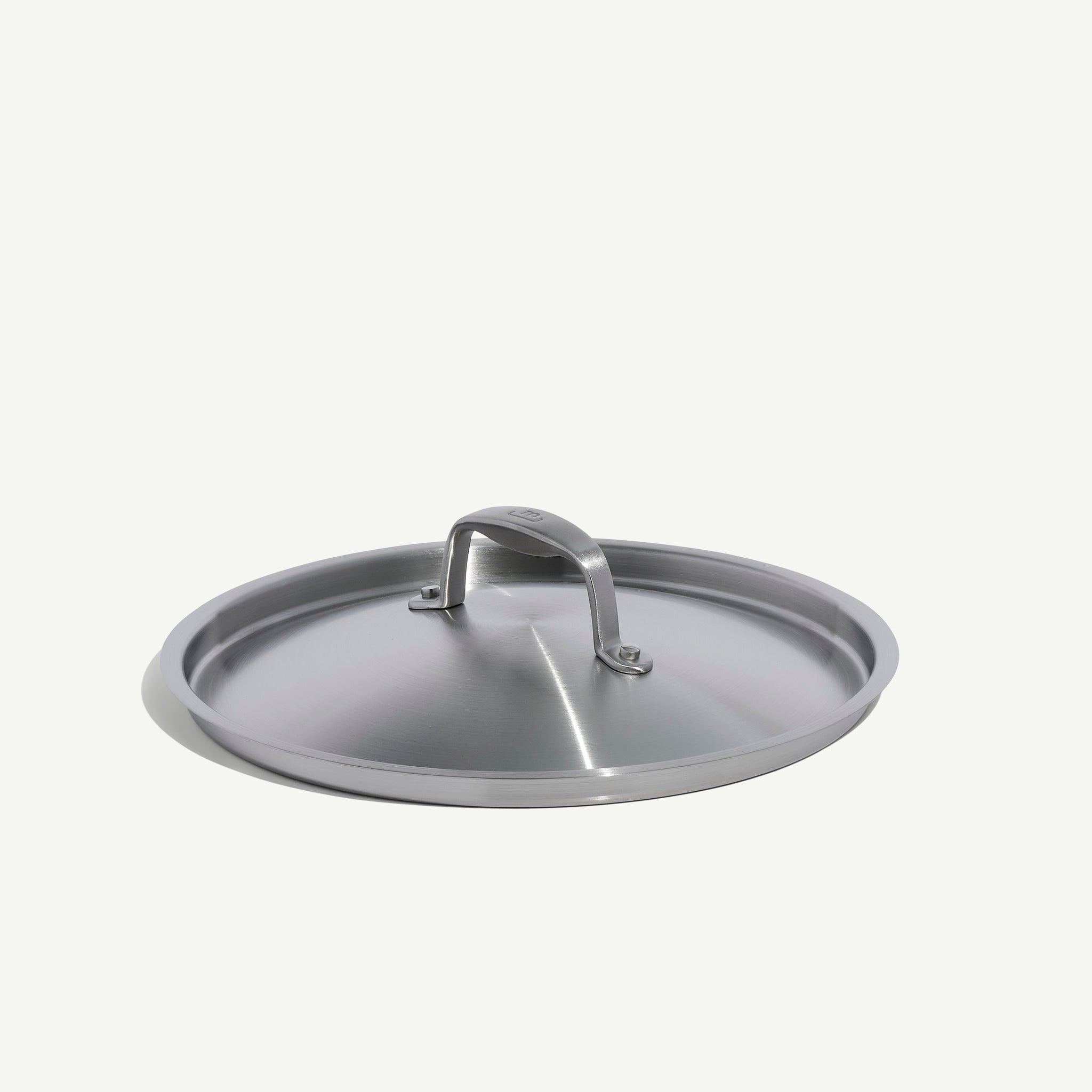
While stainless steel itself isn't the best conductor of heat, good quality pans like the 18/10 sauté pan usually have an aluminum or copper core sandwiched between layers of steel. This magical core ensures even heat distribution, eliminating hot spots and ensuring your food cooks consistently. No more burnt edges and raw centers! Plus, it's non-reactive, meaning you can cook acidic tomatoes or lemony sauces without worrying about weird metallic flavors or pan damage. Try doing that with cast iron without proper seasoning, or with a scratched non-stick pan. Spoiler: don't.
Mastering Your Stainless Steel Sauté Pan: A Mini-Guide
Okay, so you’re convinced. You’ve got this magnificent 18/10 stainless steel sauté pan. Now what? Don't just throw cold food into a cold pan and expect miracles. That's a recipe for sticking, my friend, and we've already discussed my feelings about that.
The secret to stainless steel success lies in preheating. Place your empty pan on medium heat and let it warm up for a few minutes. How do you know it’s ready? The "mercury ball" test! Flick a few drops of water into the hot pan. If they just evaporate, it's not hot enough. If they form many tiny, dancing droplets, it's too hot. But if they form one or two satisfyingly plump "mercury balls" that glide across the surface without evaporating, BINGO! You've hit the sweet spot.
Then, add your oil or fat. Let it shimmer. Now add your food. The food will naturally release from the pan once a beautiful crust has formed. Resist the urge to poke and prod prematurely. Patience, grasshopper, patience! And for cleaning? Don't fear a bit of stuck-on food. A soak in hot soapy water usually does the trick. For tougher spots, a sprinkle of Bar Keepers Friend (a non-abrasive cleaner) and a gentle scrub will make your pan gleam like new. It's truly magic stuff, you gotta try it.
Your Kitchen Deserves Better (and So Do You!)
Investing in a stainless steel sauté pan 18/10 isn't just buying another piece of cookware. It's an investment in countless delicious meals, less kitchen stress, and a durable workhorse that will stand by you through thick and thin (and many, many sautés). It's the kind of pan that your kids might even inherit, still looking fabulous and performing like a dream. So, next time you're eyeing that flimsy, discounted pan, remember the joy of searing without sticking, simmering without overflowing, and cleaning without despair. Your culinary journey will thank you for it!
