Stainless Steel Mig Welding Gas

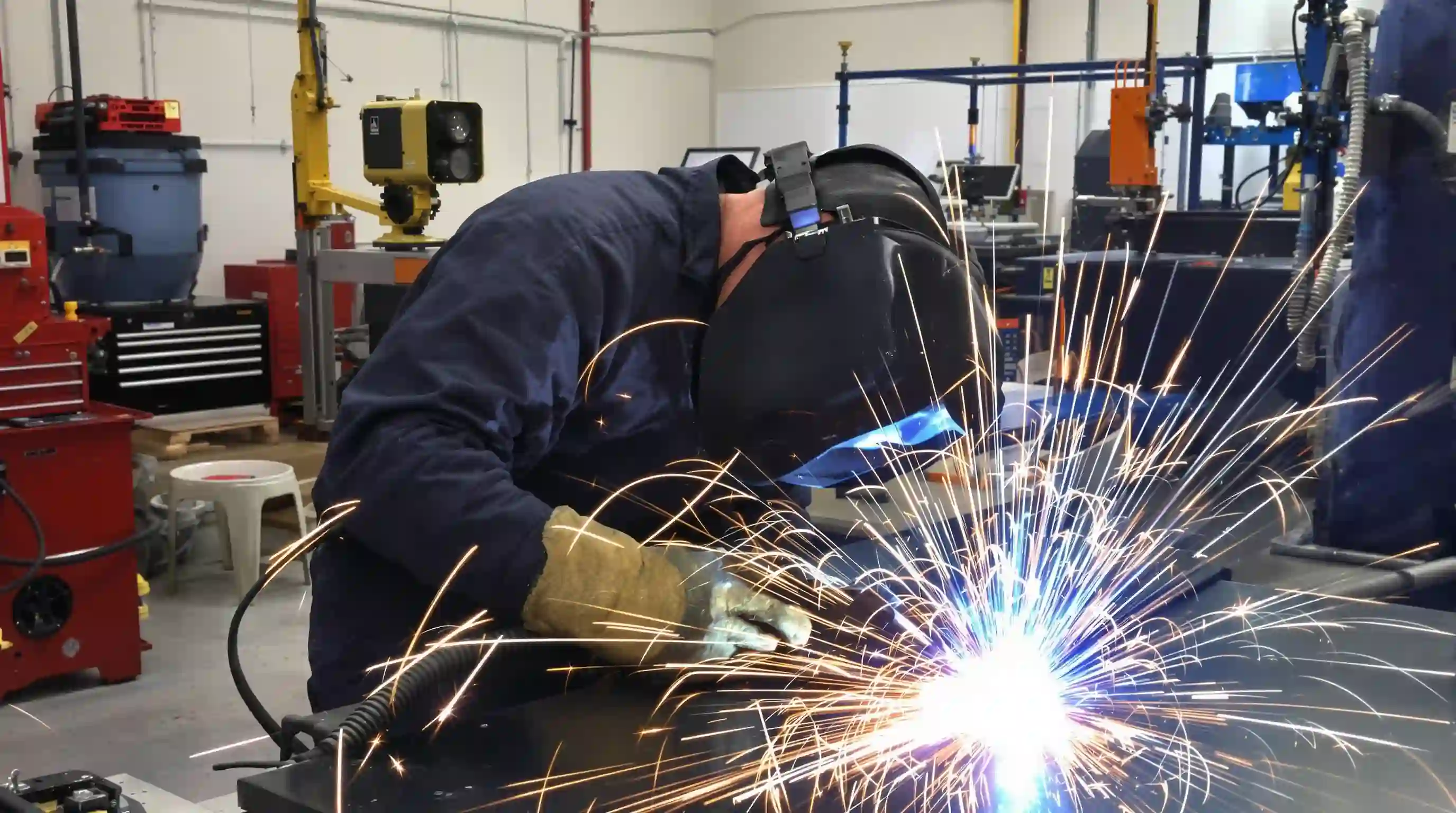
Hey there, fellow sparks and metal whisperers! Ever find yourself staring at your MIG welder, wire loaded, ready to tackle some shiny stainless steel, and then you pause? Good. Because if you didn't, we need to talk about that gas bottle sitting behind your machine. It's not just a prop, friend, it's the secret sauce!
Seriously, when you're MIG welding stainless, the shielding gas isn't just there to look pretty. It’s practically the other half of your welding team, working tirelessly to protect that molten puddle from all the nasty atmospheric gunk. Oxygen, nitrogen, hydrogen – these guys are like party crashers, ready to ruin your beautiful weld if you let them in. And when it comes to stainless, which is all about looking good and resisting corrosion, that protection is super duper important.
Why Pure Argon Isn't Your Stainless Bestie
Now, if you're like some folks, you might be thinking, "Argon, right? That's the go-to for pretty much everything, isn't it?" And yeah, for aluminum, pure argon is your best buddy. It creates a super stable arc, keeps things clean, and gives you a nice, tight bead. But stainless? Oh, sweet summer child, pure argon and stainless are like oil and water. Or, more accurately, like trying to make gourmet coffee with just hot water – it's missing something vital!
Must Read
Pure argon with stainless tends to give you a really "cold" arc. This means your puddle might not wet out properly, leaving you with a ropey, high bead that just sits on top of your base metal. We’re talking poor fusion, which is a big no-no for strength and longevity. Plus, the arc can be a bit… wild. Not exactly what you want when you're aiming for that smooth, clean stainless finish.
The Magic of the "Active" Gases: CO2 and Oxygen
So, what’s the secret? It’s all about adding a tiny dash of something called an "active" gas. Think of it like a spice. Too much, and you ruin the dish. Just the right amount, and BOOM – flavor explosion! For stainless, our active spices are typically Carbon Dioxide (CO2) or Oxygen (O2).
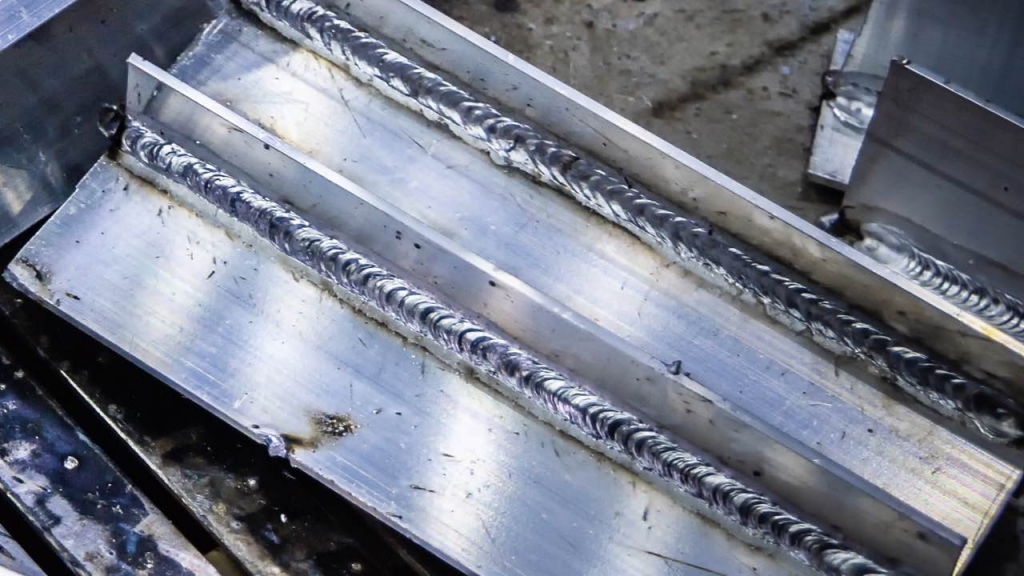
Why these guys? Well, they do some pretty cool stuff. They help stabilize the arc, making it smoother and more focused. They also increase the heat in the arc, which helps the puddle become more fluid and really dig into the base metal. This means better penetration and a beautifully flat, well-wetted bead. Ahh, perfection!
Your Go-To Stainless Gas Mixes
Alright, let’s get down to the brass tacks – or, rather, the stainless steel tacks! When you're MIG welding stainless, you're usually looking at a mix of argon with a small percentage of either CO2 or O2.
One popular choice is an Argon/CO2 mix, often something like 98% Argon and 2% CO2. This blend offers a really stable arc and good puddle control. It’s pretty forgiving and generally results in a nice, shiny finish. The CO2 helps with penetration but you want to keep it low because too much CO2 can actually start to add carbon to your stainless, potentially messing with its corrosion resistance. We don’t want that!
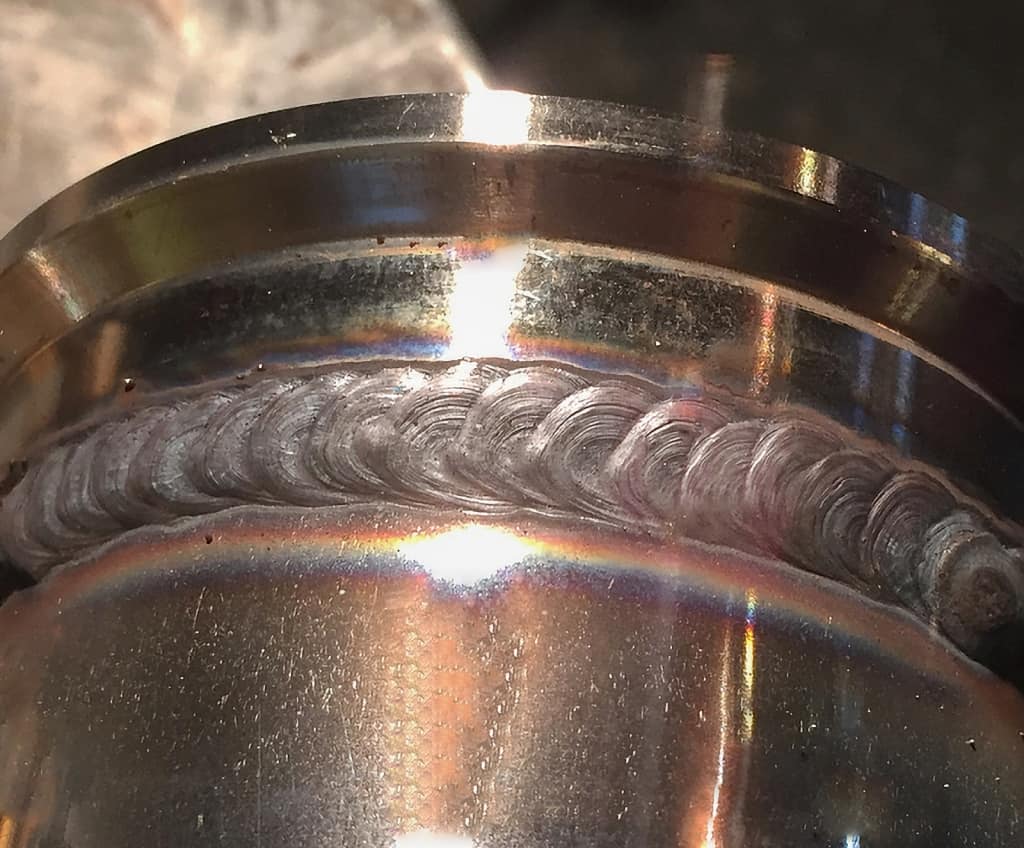
Another fantastic option is an Argon/Oxygen mix, usually 99% Argon and 1% Oxygen. This combination is often preferred for its ability to produce an incredibly smooth bead with excellent wetting characteristics. The oxygen helps to really flatten out that puddle and reduce surface tension, making it flow like a dream. Just remember, a little goes a long way with oxygen too; too much can lead to excessive oxidation and that dreaded black soot.
The Mighty Tri-Mix (for serious stuff!)
Feeling a bit fancy, or tackling some thicker stainless? Then you might want to look into a tri-mix gas. These usually involve Argon, Helium, and a small percentage of CO2 or Oxygen. Helium, being a very light gas, significantly increases the heat input. This is fantastic for thicker materials because it gives you deeper penetration and helps manage the bead shape. Think of it as putting your welding on steroids! But, fair warning, helium is generally more expensive, so you typically save this for when you really need that extra oomph.
What Happens When You Skimp (or Mess Up)?
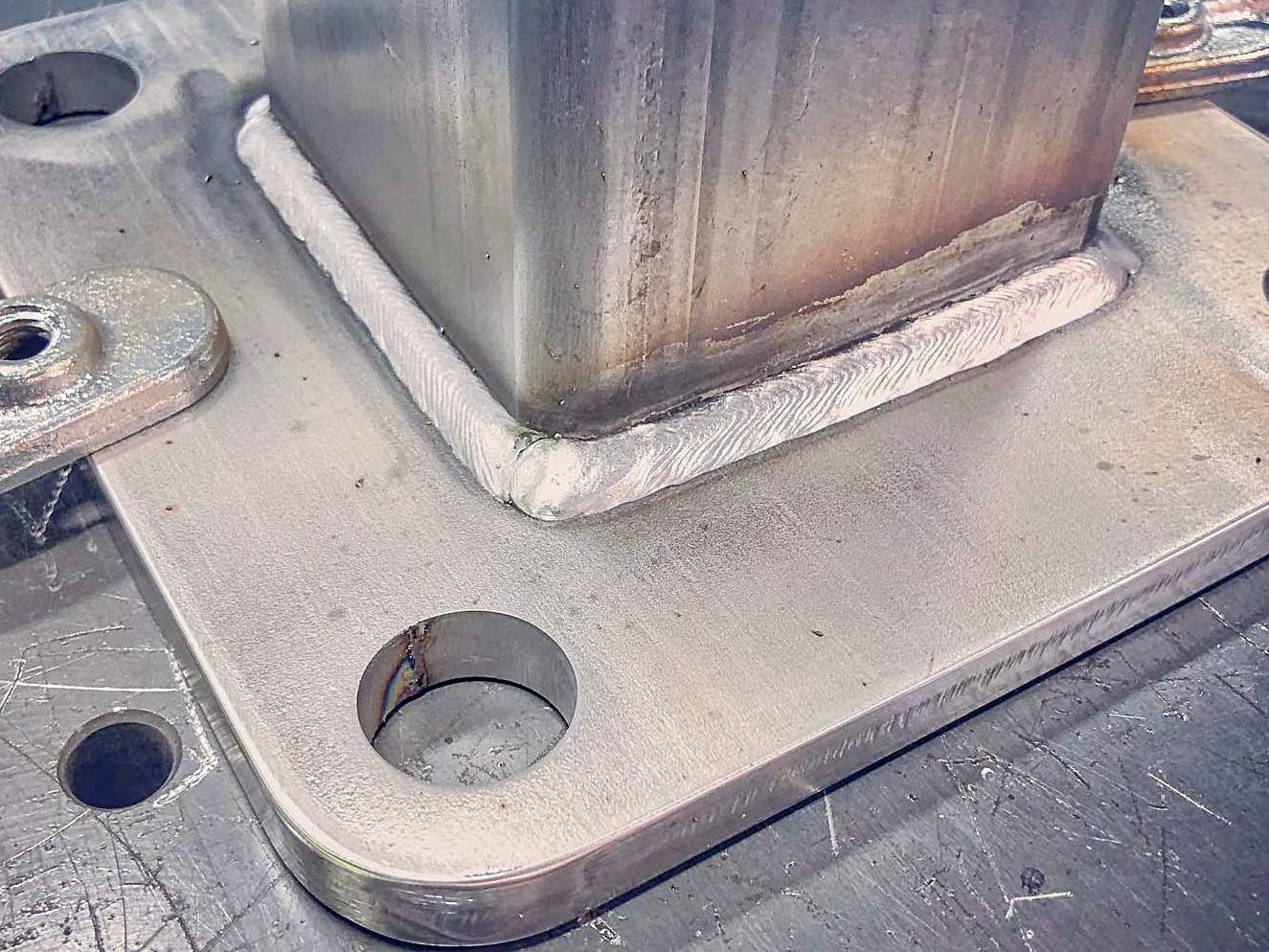
So, what if you ignore all this friendly advice and just use, say, 75% Argon/25% CO2 (the common mix for mild steel) on your beautiful stainless? Well, prepare for disappointment! You'll likely get a lot of spatter, a really ugly, oxidized weld bead, and a reduced corrosion resistance. It’s like trying to bake a cake with salt instead of sugar – technically still a powder, but the results are... unpleasant.
Using the wrong gas for stainless steel isn't just about aesthetics; it seriously compromises the material's properties. Stainless is chosen for its strength and resistance to rust, right? Using the wrong gas can mess with that protective chromium oxide layer, making it more susceptible to corrosion. So, that gorgeous railing you just welded could start showing rusty freckles way sooner than you'd like. Talk about a heartbreak!
Final Friendly Nudge
The bottom line? Don't treat your shielding gas as an afterthought when you're MIG welding stainless steel. It’s a critical component. Take the time to understand your materials, your machine, and especially your gas. A small investment in the right gas mix will pay huge dividends in weld quality, strength, and that enviable stainless shine. Go forth and weld beautifully, my friends! Your stainless creations (and your future self) will thank you.