
Stainless Steel 304 Vs 316 Cost
There’s something truly magical about stainless steel, isn't there? It’s the silent, shimmering hero in our kitchens, the glint on our favorite watch, the robust backbone of countless everyday items we barely even notice. From the morning coffee pot to the sleek fridge door, it promises shine, strength, and a certain resistance to the ravages of time. But here’s a little secret many don't realize: not all stainless steel is created equal. It's like thinking all bread is just "bread" – when in reality, you have your humble white loaf and your artisanal sourdough. And just like bread, these different steels come with different price tags and personalities.
The Everyday Champion: Stainless Steel 304
Meet Stainless Steel 304. If stainless steel had a fan club, 304 would be its most beloved, approachable, and hardworking member. This is the steel that probably makes up most of the shiny things in your home right now. Your kitchen sink? Likely 304. Your cutlery? Oh yes, 304. Those gleaming pots and pans that have survived countless family dinners and forgotten leftovers? You guessed it. 304 is the go-to because it’s incredibly versatile, impressively resistant to rust in most regular environments, and thankfully, it doesn’t demand a king’s ransom.
It’s the dependable friend who always shows up, bright and ready, never asking for much in return. It’s practical, reliable, and generally keeps its shine with a little care. We love 304 for its sheer, understated brilliance in making our lives easier and our homes look sharper.
The Coastal Conqueror: Stainless Steel 316
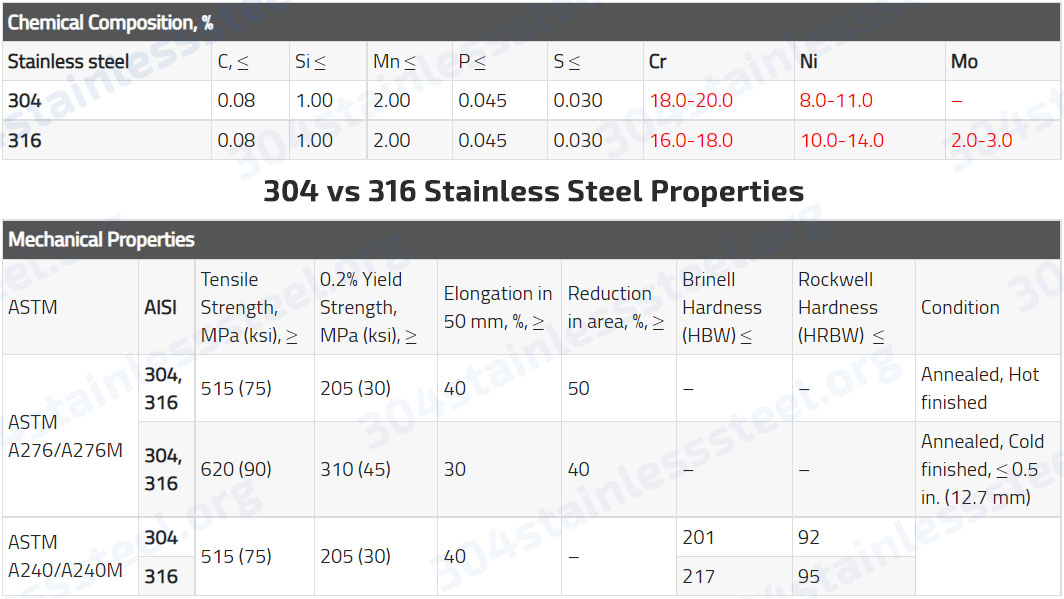
Now, let’s introduce Stainless Steel 316. Think of 316 as 304’s slightly fancier, more adventurous cousin who’s just returned from a daring expedition. It looks much the same, feels much the same, but it possesses a secret superpower: an enhanced ability to resist corrosion, especially from saltwater and harsh chemicals. How does it do this? Well, without getting too technical, it simply has a tiny bit of an extra ingredient called molybdenum. This special additive makes all the difference when things get rough.
Imagine a railing on a seaside balcony, constantly battered by salty air. Or a medical instrument needing absolute sterile resilience. Or even a boat fitting, perpetually splashed by ocean spray. In these tough spots, 316 steps up, refusing to pit or corrode where 304 might eventually show its vulnerability. It’s the steel that laughs in the face of rust, especially when salt is involved.
The Great Cost Caper: When Pennies (or Pounds!) Matter
So, here’s the million-dollar question (or perhaps, the five-dollar question for a spoon): what’s the cost difference? As you might expect, that little bit of extra molybdenum in 316 adds up. Generally speaking, Stainless Steel 316 costs more than 304. How much more? It varies, but you could typically expect 316 to be anywhere from 15% to 30% pricier, sometimes even more, depending on market conditions and the specific product. It’s not a monstrous difference that breaks the bank for a single item, but it can certainly add up in larger projects.
This is where the fun part comes in – and the occasional chuckle. We've all seen someone enthusiastically invest in the "best of the best," only to realize they might have gone a little overboard. Like buying a military-grade submersible watch for your weekly dip in the kiddie pool. Sometimes, people will opt for 316 for a kitchen item, reasoning it’s "superior," when 304 would perform just as flawlessly and save them a few bucks. Your kitchen sink, unless you're regularly dumping industrial-strength acids into it, will be perfectly happy with good old 304.
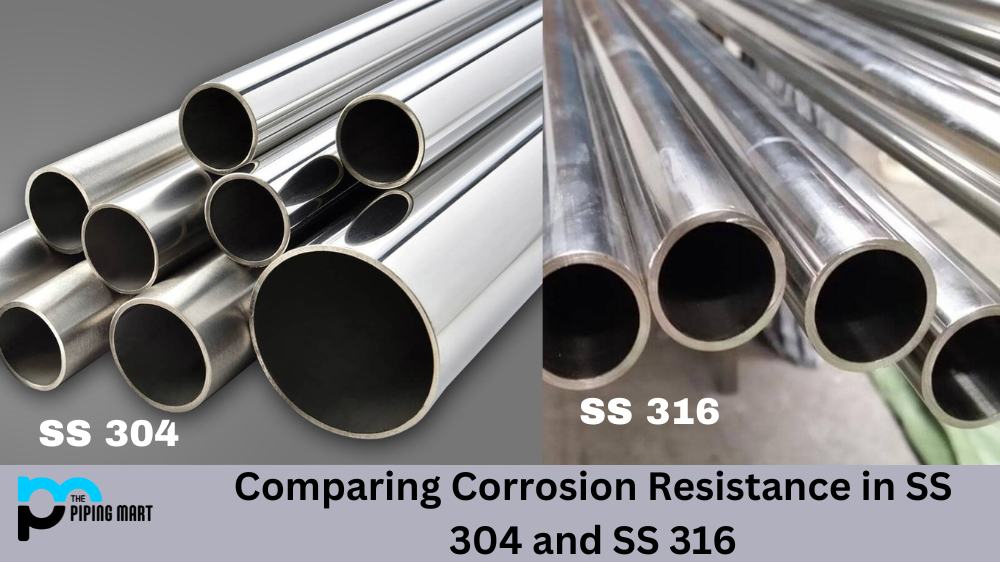
Conversely, there's the heartwarming tale of the wise builder who insisted on 316 for the outdoor light fixtures on a beach house, knowing full well that 304 would soon succumb to the salty embrace of the ocean air, leaving rust streaks down the pristine walls. That builder, by spending a little more upfront, saved the homeowner headaches, repairs, and the sheer disappointment of premature rust, ensuring those fixtures would gleam for years to come. It’s a testament to understanding the right tool for the right job.
Choosing between 304 and 316 isn't about one being "better" overall, but about choosing the "better fit." It's about knowing when to save your pennies with a reliable friend, and when to splurge a little on a superhero.
So, the next time you marvel at a shiny appliance or a sturdy railing, take a moment to appreciate the silent strength of stainless steel. And perhaps, with a knowing wink, you’ll ponder whether it’s the everyday champion 304 or the valiant 316, bravely battling the elements. Either way, they’re both pretty amazing in their own unique, cost-effective (or slightly less cost-effective!) ways.

