
Stainless Steel 18 0 Vs 18 10
Hey there, kitchen adventurer! Ever found yourself staring at a shiny new set of cutlery, or maybe a gleaming pot, and seen those mysterious numbers like "18/0" or "18/10" etched on the back? And thought, "Are these secret agent codes? Or maybe the winning lottery numbers I totally missed?"
Well, fear not, my friend! We're about to demystify those digits and turn you into a stainless steel guru. It's actually pretty cool once you get the hang of it, and it'll help you pick out the perfect kitchen companions. Think of this as your backstage pass to the world of shiny metal. No hard hats required, but maybe a snack for brain fuel.
So, What Do Those Numbers Actually Mean?
Alright, let's get down to brass (or, well, stainless steel) tacks. Those numbers, like 18/10 or 18/0, refer to the percentages of two key players in the stainless steel recipe: chromium and nickel. It's like the secret sauce that makes your metal marvelous!
Must Read
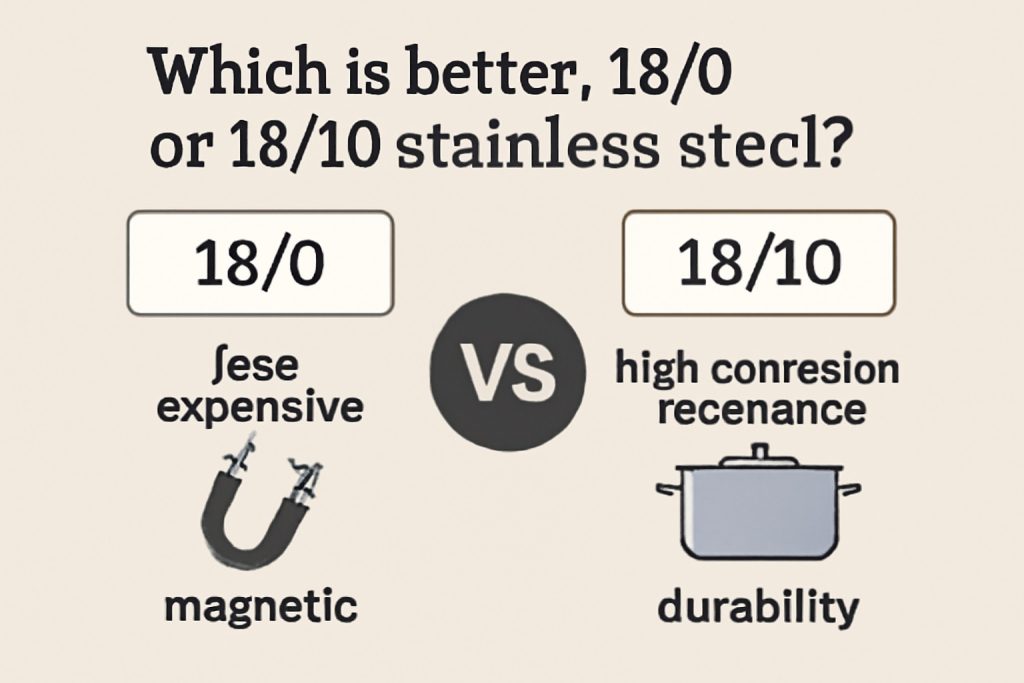
- The first number (18) always tells you the percentage of chromium. Chromium is the superhero for fighting rust and corrosion. It gives stainless steel its "stainless" superpower. Without it, your fork would look like it just fought a pirate battle.
- The second number (10 or 0) reveals the percentage of nickel. Nickel is like the glamorous sidekick. It adds extra shine, boosts corrosion resistance even further, and makes the steel stronger and more durable. Plus, it gives it that lovely, weighty feel.
Got it? Good! Now let's meet our two contestants in the ring!
Meet the Star: Stainless Steel 18/10
This is often considered the crème de la crème, the VIP section of the stainless steel world. When you see 18/10 stainless steel, you're looking at a product with:
- 18% Chromium: Excellent rust and stain resistance. Your cutlery can brave the dishwasher without a second thought!
- 10% Nickel: This is where the magic happens! The nickel makes it super shiny, adds fantastic durability, and boosts its resistance to acids (hello, tomato sauce!) and salts. It also gives it a lovely, substantial weight in your hand.
Think of 18/10 as the luxury sedan of your kitchen. It's built to last, feels substantial, gleams beautifully, and shrugs off most culinary assaults with grace. It's what you want for those special occasions, or if you just really appreciate a top-notch feel every single day. Yes, it often comes with a slightly higher price tag, but many see it as a worthy investment in long-lasting sparkle. It's the one that makes your guests say, "Ooh, fancy!"
And Here's Its Dependable Cousin: Stainless Steel 18/0
Now, don't let the "0" fool you into thinking this is some kind of lesser being. 18/0 stainless steel is a fantastic, hard-working member of the stainless steel family, and it's perfect for a lot of situations!
- 18% Chromium: Same great rust and stain resistance as 18/10! That's right, the anti-rust superpower is still fully present and accounted for. High five, chromium!
- 0% Nickel: This is the key difference. No nickel means it won't have quite the same brilliant, lasting shine as 18/10, and it might feel a touch lighter in your hand. It also might be a tiny bit more susceptible to pitting or staining from really harsh acids or salts over time if not cared for.
But here's where 18/0 truly shines (pun intended, sort of!). Because it lacks nickel, it's often significantly more affordable. This makes it a brilliant choice for everyday cutlery, bustling restaurants, or when you just need a sturdy, reliable set without breaking the bank. Plus, for anyone with a nickel allergy, 18/0 is a total lifesaver! It’s the trusty hatchback of your kitchen – gets the job done reliably, day in and day out, and won’t complain about carpooling. It’s perfect for the family that goes through forks like they're going out of style (looking at you, kids!).
Which One Should YOU Pick, My Friend?
So, the million-dollar question (or maybe just the twenty-dollar spoon question): which one is right for you?
It really boils down to your lifestyle, budget, and personal preferences. There's no single "better" option, only the better option for you.
- If you dream of gleaming, heavy-duty flatware that feels luxurious and can stand the test of time (and countless dishwasher cycles), then 18/10 might be your soulmate.
- If you're looking for fantastic value, good everyday performance, don't mind a slightly lighter feel, or need a nickel-free option, then 18/0 is your loyal companion.
Many people even mix and match! Maybe 18/10 for your main dining set and 18/0 for the BBQ or kids' messy meals. Genius, right?
The Sparkling Conclusion!
See? Not so mysterious after all! You're now equipped with the knowledge to walk into any kitchenware store with confidence, nodding knowingly at those little numbers. Whether you opt for the robust gleam of 18/10 or the reliable charm of 18/0, you're making a smart choice for your kitchen.
So go forth, informed and fabulous! May your future meals be delicious, and your stainless steel forever bright (or at least, appropriately shiny for its purpose). Keep smiling, and happy cooking!
