
Sq Ft To Btu Air Conditioner

Ever found yourself staring at an air conditioner box, wondering what on earth "BTU" means and why it matters? You're not alone! It might sound like technical jargon, but understanding the relationship between your room's square footage and an AC's BTU rating is actually one of the most useful bits of knowledge for keeping cool and saving money. Think of it as your secret weapon against sweltering summers and high energy bills. It's not just about turning on the AC; it's about choosing the right one, making your home a sanctuary of comfort, and feeling smart about your energy choices.
So, who benefits from this cool knowledge? Pretty much everyone! For beginners and first-time AC buyers, it’s a lifesaver. Instead of guessing or relying solely on a salesperson, you’ll know exactly what size unit your space needs, preventing the common mistake of buying an AC that’s either too weak or ridiculously overpowered. For families, it means consistent comfort throughout the house without breaking the bank. No more hot spots or freezing zones! Plus, an efficiently sized AC means better dehumidification, leading to a much more pleasant living environment. Even hobbyists and DIY enthusiasts can find value, as this understanding is fundamental for planning room additions, optimizing existing setups, or simply appreciating the mechanics of home climate control.
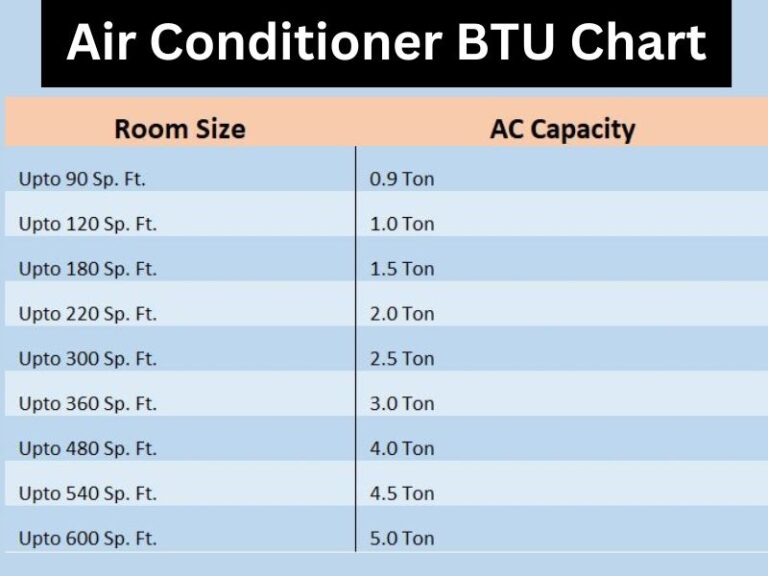
At its heart, the concept is simple: BTU stands for British Thermal Unit, and it’s a measure of an AC's cooling power. The general rule of thumb is that you need about 20 BTUs per square foot. So, if you have a 250 sq ft bedroom, you'd aim for an AC with roughly 5,000 BTUs (250 x 20). But it's not a one-size-fits-all equation! There are variations to consider. Does your room have lots of sunny windows? You might need a bit more BTU. Is it a kitchen where appliances generate heat? Add a few extra BTUs. High ceilings, poor insulation, or multiple occupants also mean you'll want to nudge that BTU number up a little. Conversely, a heavily shaded room might need slightly less. This flexibility is what makes the calculation so powerful – it’s adaptable to your specific space.
Must Read
Ready to get started? It's easier than you think! First, accurately measure your room's square footage (length x width). Second, multiply that number by 20 to get your baseline BTU. Then, do a quick mental check for those 'extra' factors we discussed. If your room is super sunny or has poor insulation, consider adding 10-20% to that baseline. Don't be afraid to use online BTU calculators; many reputable AC brands and home improvement sites offer them, making the math even simpler. A crucial tip: while you might think bigger is better, an oversized AC unit is actually less efficient. It cools too quickly, cycles off before properly dehumidifying, and leaves your room feeling damp and clammy. Similarly, an undersized unit will run constantly, never truly cooling the space, and wasting energy.
See? Knowing your Sq Ft to BTU isn't scary at all; it's a wonderfully practical skill that empowers you to make smarter choices for your home and wallet. It transforms you from a bewildered shopper into a confident decision-maker, ensuring you pick an air conditioner that delivers perfect comfort without breaking the bank. So go ahead, measure that room, do a little math, and get ready to enjoy a perfectly chilled summer!


:max_bytes(150000):strip_icc()/air-conditioning-chart-1152654_final-02-c37c8b4fdf08432baf378e8f0cb9d8e0.jpg)