
Solar Power How Is It Produced
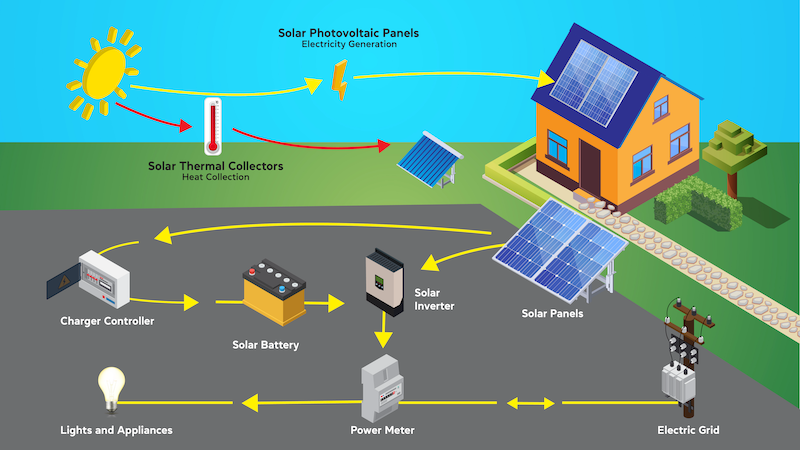
Imagine waking up, stretching, and realizing that the giant, fiery ball of gas millions of miles away is silently working to make your coffee. That's kind of the magic of solar power! It's not some futuristic fantasy; it's happening right now, thanks to sunlight.
We often see those sleek, dark panels on rooftops or in vast fields, soaking up rays. But how do they actually turn a warm glow into usable electricity for our homes? It’s a bit like a cosmic dance, with tiny particles as the star performers.
The Sun: Our Ultimate Power Plant
Our story begins with the biggest, brightest star in our neighborhood: the Sun. This incredible celestial body constantly sends out energy in the form of sunlight. Think of it as Earth’s very own, incredibly distant, and utterly massive power station.
Must Read
Sunlight itself is made up of tiny packets of energy called photons. These aren't just invisible rays; they're like little energy superheroes, zipping through space at incredible speeds. They carry the sun's warmth and light all the way to our planet, traveling for about eight minutes to reach us.
When these photons arrive, they're ready to get to work. They don't make any noise, they don't produce any smoke, and they're always on time (weather permitting!). It's a truly silent, clean delivery service straight from the cosmos.
Meet the Solar Panel: The Sun Catcher
Now, how do we catch these speedy little photon superheroes? That's where the solar panel comes in. These panels are much more than just flat, dark rectangles; they are cleverly designed "sun traps."
At the heart of most solar panels are special cells, often made from a material called silicon. And here's a fun, surprising fact: silicon is derived from sand! Yes, the very same stuff you find on beaches, given a high-tech makeover. So, in a way, your electricity might just have started its journey as a grain of sand.
These silicon cells are engineered to be sensitive to light. Each cell is carefully constructed with different layers, creating a kind of energy sandwich. It's all about setting the stage for a tiny electrical rebellion.
"It's like taking a piece of the beach and asking it to power your Netflix. Amazing!"
The Tiny Dance of Electrons
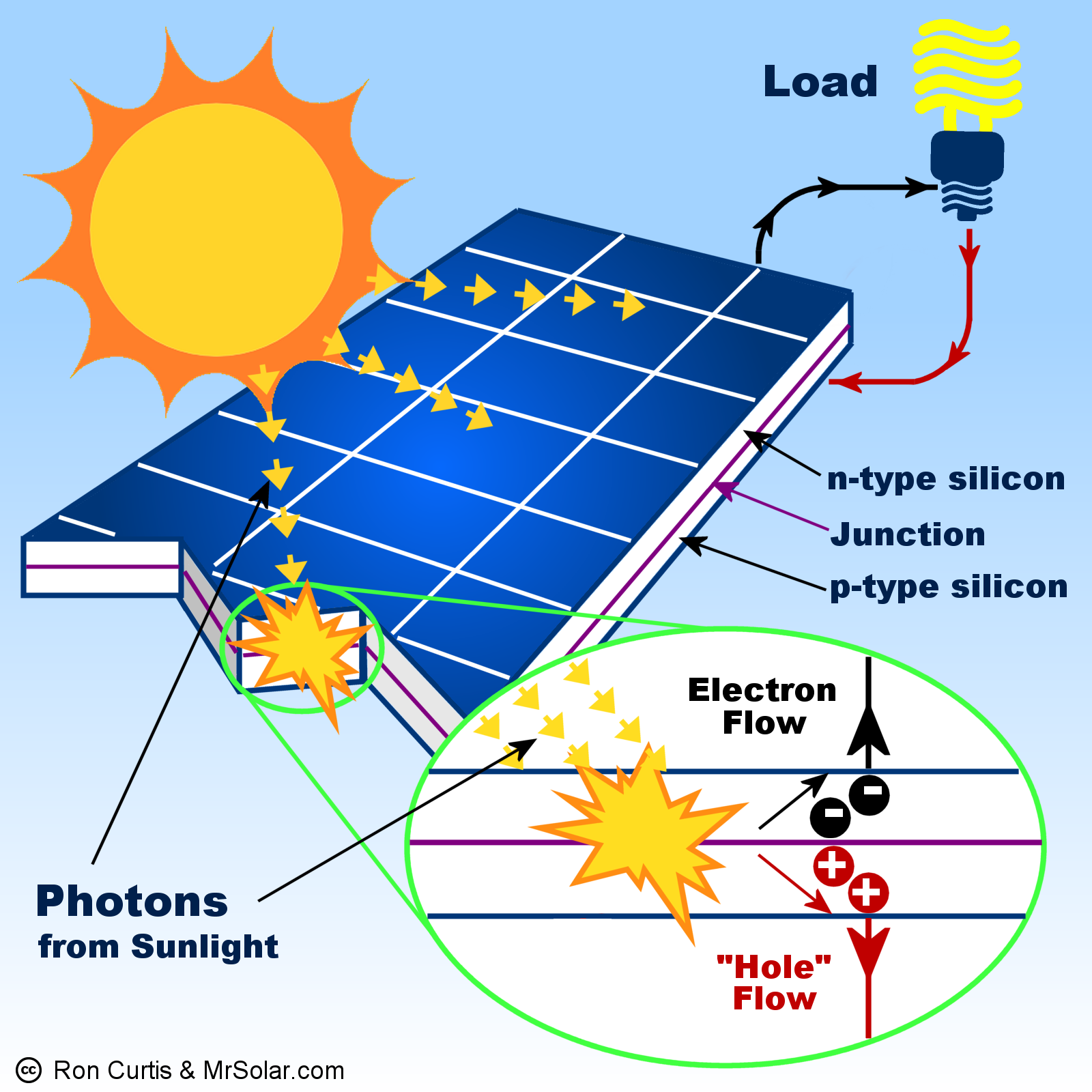
Here’s where the magic truly unfolds. When a photon from the sun strikes a silicon atom in the solar panel, something exciting happens. The photon has enough energy to literally knock an electron loose from its atom.
Think of it like a tiny, invisible billiard ball hitting another one, sending it flying. These newly freed electrons are now looking for a path to travel. The clever design of the silicon cell provides them with exactly that.
The different layers within the silicon cell create an electric field. This field acts like a gentle push, guiding the freed electrons to move in a particular direction. This directed flow of electrons is, quite simply, electricity.
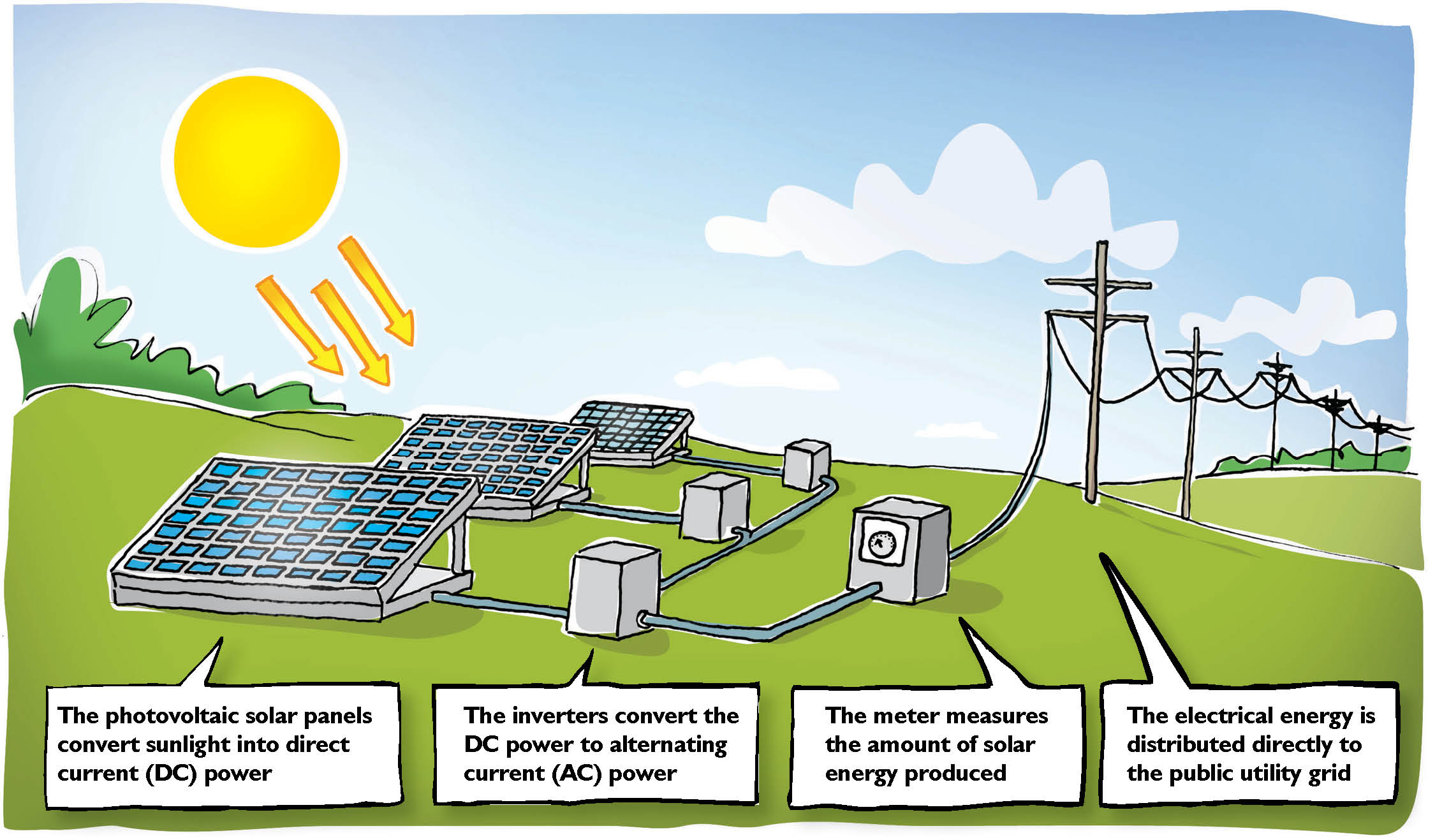
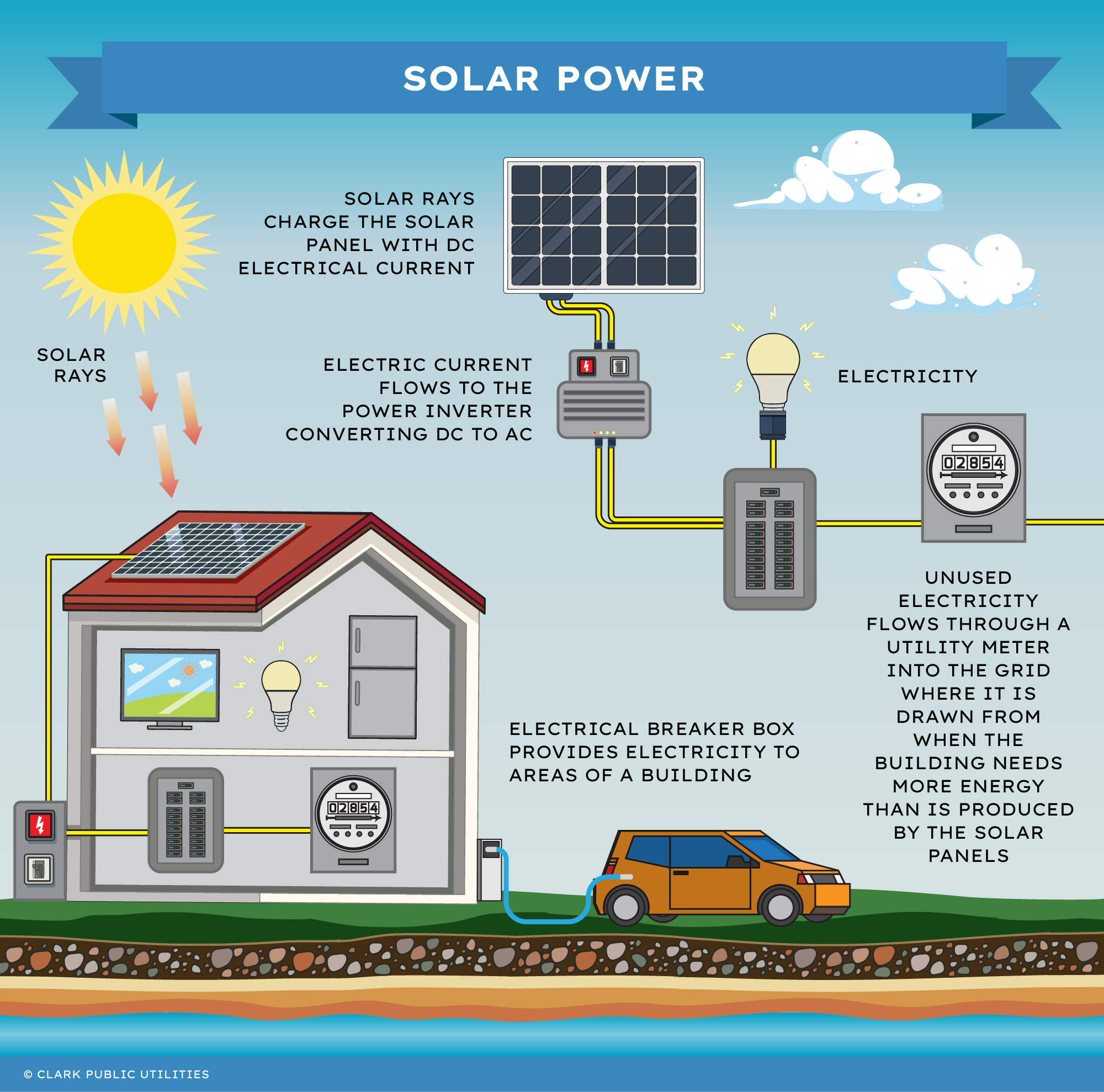
It's an incredibly subtle and silent process. You can't hear the photons hitting, nor can you see the electrons dancing, but rest assured, they are bustling with activity inside those panels. This immediate electrical current produced by the panel is called Direct Current (DC).
The Inverter: The Translator of Power
So, we have DC electricity flowing from our panels. That's great! But here's a small hitch: most of our household appliances don't run on DC. They prefer something called Alternating Current (AC).
This is where another crucial, yet often overlooked, piece of equipment comes into play: the inverter. You might see it as a box, usually attached to a wall near your main electrical panel.
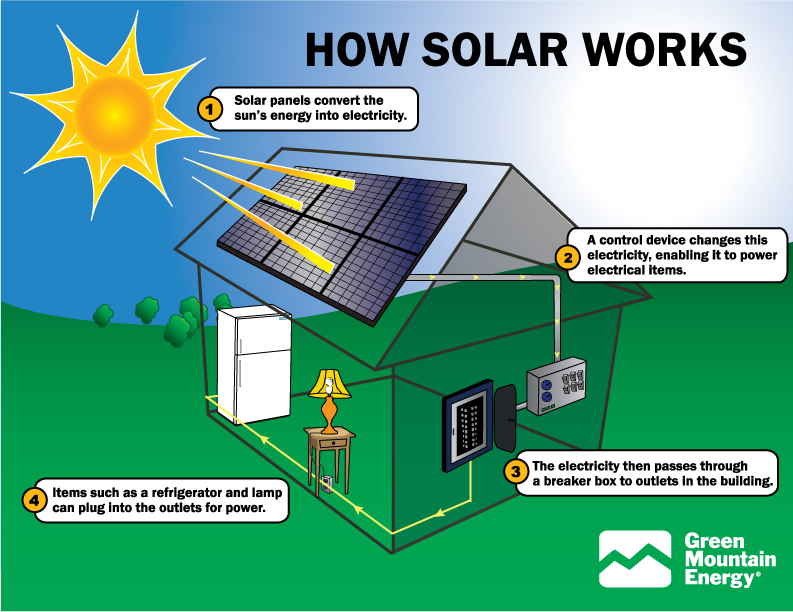
The inverter acts as a brilliant electrical translator. It takes the DC power from your solar panels and efficiently converts it into AC power. It's the unsung hero that makes solar energy compatible with your fridge, your TV, and your phone charger.
Without the inverter, all that incredible sunshine-turned-DC power would be useless for most of our modern gadgets. It truly bridges the gap between the sun's raw energy and our daily needs.
"The inverter quietly makes the sun's efforts sing in our homes, powering everything from our lights to our laughs."
From Panels to Power Outlets
Once the inverter has done its job, the AC electricity is ready to go. It flows into your home’s electrical panel, just like the power from the traditional grid. From there, it powers your lights, heats your water, and runs your washing machine.
If your solar panels produce more electricity than your home is currently using, that extra power doesn't just disappear. It's often sent back to the electrical grid, sometimes even earning you credits on your utility bill. It’s like lending your neighbors a cup of sunshine, and they pay you back later!
This whole process is entirely silent and astonishingly efficient. There are no moving parts, no fuel burning, just the endless generosity of the sun being converted into a clean, usable energy source.
The Heartwarming Side of Solar
Beyond the technical marvel, there's a truly heartwarming aspect to solar power. Imagine a remote village, far from power lines, suddenly lit up at night for the first time by a few humble panels. Children can study longer, clinics can store vital medicines, and families can connect with the outside world.
Or think about the quiet satisfaction of a homeowner checking their smart meter, seeing their energy consumption drop to zero, or even go negative, on a sunny day. It’s a feeling of independence and contributing positively to the planet.
Solar power is also about resilience. During power outages caused by storms, homes with solar panels and battery storage can often remain lit and comfortable, a beacon of light when others are dark. It offers a sense of security and self-reliance.
This simple process, of photons nudging electrons, is changing the world. It’s empowering communities, making our air cleaner, and giving us a direct, quiet connection to the most powerful star we know.
So, the next time you see those dark panels glistening in the sun, take a moment to appreciate the silent, tireless work happening within them. From distant starlight to the flicker of your light switch, it’s a truly miraculous journey, powered by sand, electrons, and the incredible generosity of our sun.