
Solar Panels Negative Effects On The Environment
Okay, folks, let’s talk solar panels! We all love the idea of free energy from the sun, right? Like sticking it to the electric company and powering our homes with sunshine smoothies. Sounds amazing! But before you rush out and cover your roof in those shiny rectangles, let's chat about some… well, let's call them “solar hiccups.”
The Dark Side of Sunshine (Energy)
I know, I know, it sounds like a movie title! But the truth is, even though solar energy is way better than burning mountains of coal, it's not perfect. Think of it like this: chocolate cake is better for you than eating a shoe, but you probably shouldn't have it for every meal (unless you're me, and then…maybe?).
One of the biggest "hiccups" is the manufacturing process. These panels don't just magically appear, you know! It takes a whole lot of resources and energy to make them. Mining for the raw materials like silicon (that stuff in your phone!) and other rare earth minerals? Not exactly a spa day for the planet. It’s more like a planetary mud wrestling match.
Must Read
And then there's the factory where these things are assembled. Imagine a massive, roaring, energy-guzzling beast churning out solar panels 24/7. Okay, maybe it's not that dramatic, but it still takes a considerable amount of power to make those sun-catchers. So, we're essentially using energy to create something that generates energy… it’s like a weird energy ouroboros!
What happens when solar panels retire?
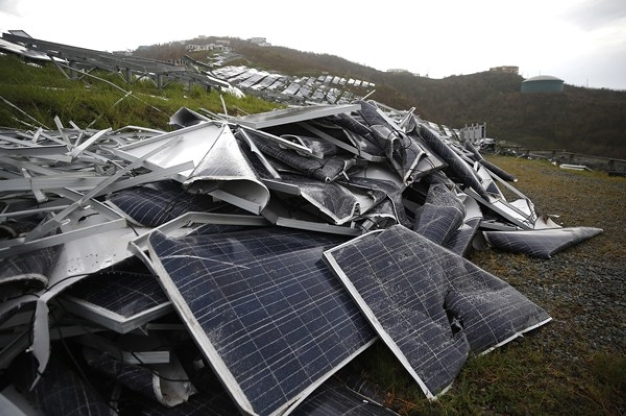
Ah, the great solar panel retirement home! Where do these things go to shuffle off this mortal coil? Well, that's the tricky part. Solar panels don't last forever, folks. After about 25-30 years, they start to lose their oomph. What then? Tossing them in a landfill isn't exactly ideal. They contain some… less-than-friendly materials that you wouldn't want seeping into the ground. Think of it as burying a bunch of grumpy, heavy metal singers in your backyard. Not the best idea.
Recycling solar panels is definitely a thing, but it's not as widespread or efficient as we'd like it to be. It's like trying to recycle a unicorn made of glitter and sadness. Difficult and messy!
Land Use: Solar Farms and the Lost Art of Napping in Fields
So, you're not planning on covering your roof, huh? Instead, you're envisioning a massive solar farm powering your entire town! Awesome! But where does this solar farm go? Fields? Deserts? Parking lots? All of the above! Large-scale solar installations require a lot of land. Like, a lot. This can mean displacing wildlife, disrupting ecosystems, and…gasp…taking away prime napping spots in sunny fields! I mean, think of the butterflies! The bees! The existential crises of displaced earthworms!
And let's be honest, a field of shimmering solar panels isn't quite as picturesque as a field of sunflowers. It's more… industrial. Like a giant, slightly-off-putting mirror reflecting the sun back at itself. But hey, at least it's not an oil rig!
The Glare Factor: Birds, Planes, and Sunglasses for Days
Ever been blinded by the sun reflecting off a car window? Now imagine that, but on a massive scale. Solar panels can create significant glare, which can be a problem for birds, pilots, and anyone who happens to be nearby. Birds can get confused and fly into the panels (sad!), and pilots might have a harder time seeing things (scary!). It's like living in a giant disco ball, but less fun and more… potentially hazardous.
So, are solar panels evil? No way! They're still a vastly superior option compared to many other energy sources. They're just like that well-meaning friend who sometimes forgets to rinse their coffee cup before putting it in the dishwasher. They have their quirks, but they're ultimately trying to do good.
The key is to be aware of these "hiccups" and to push for more sustainable manufacturing, better recycling programs, and thoughtful land use practices. We need to make sure that our quest for clean energy doesn't inadvertently create new environmental problems. Let's aim for sunshine smoothies, not sunshine headaches! Remember, we want a future powered by the sun, not haunted by the ghosts of poorly recycled panels. Go Green! and Thanks for reading.
