Solar Energy Definition Advantages And Disadvantages
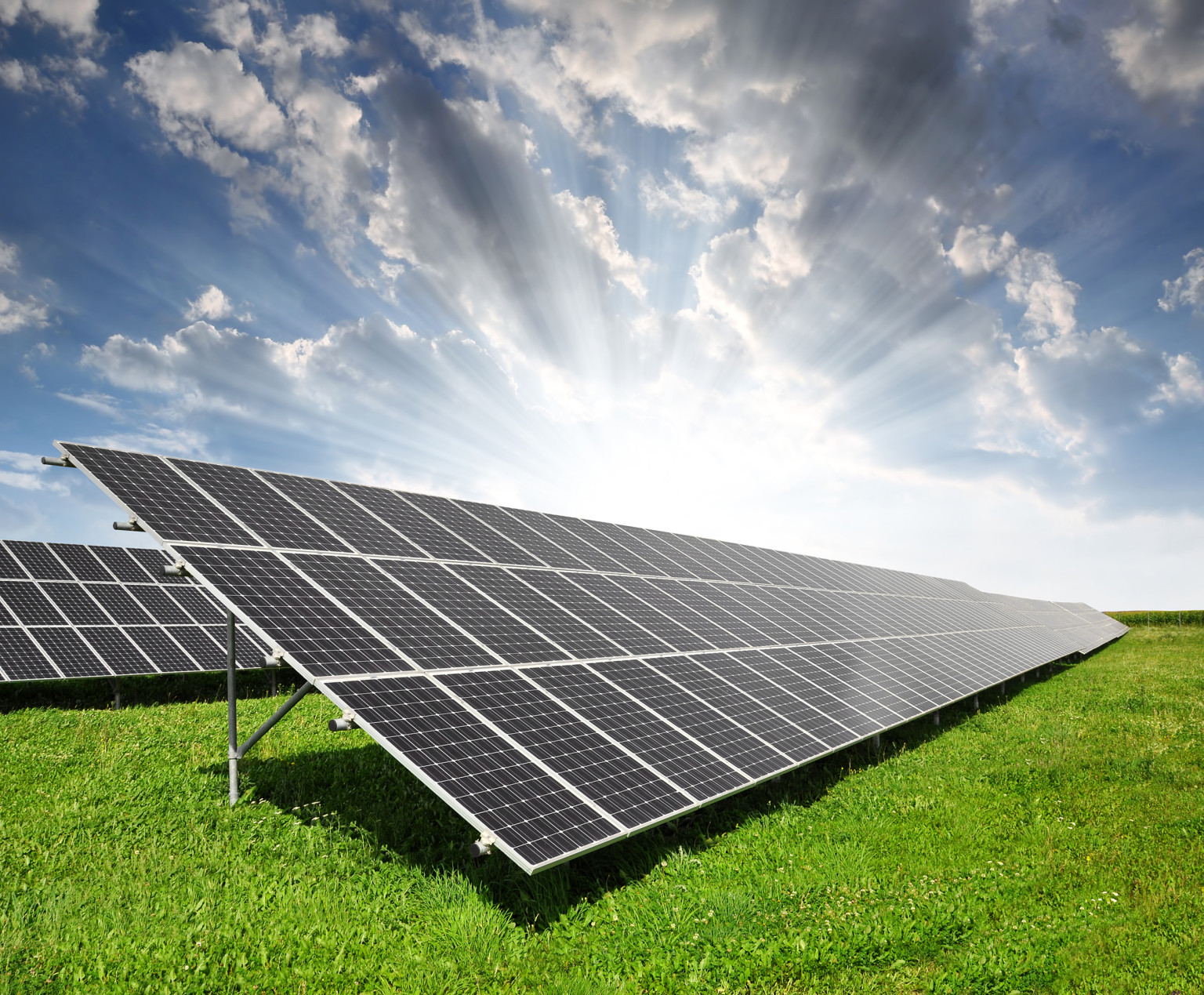
Let's talk about something that's literally beaming with potential: solar energy! It's not just for sci-fi movies anymore. Solar panels are popping up everywhere, from rooftops to giant solar farms, and for good reason. Harnessing the sun's power is a hot topic, and understanding it can help you make informed decisions – maybe even save some money and help the planet in the process. So, grab your sunglasses (metaphorically, of course) and let's dive into the sunny world of solar energy!
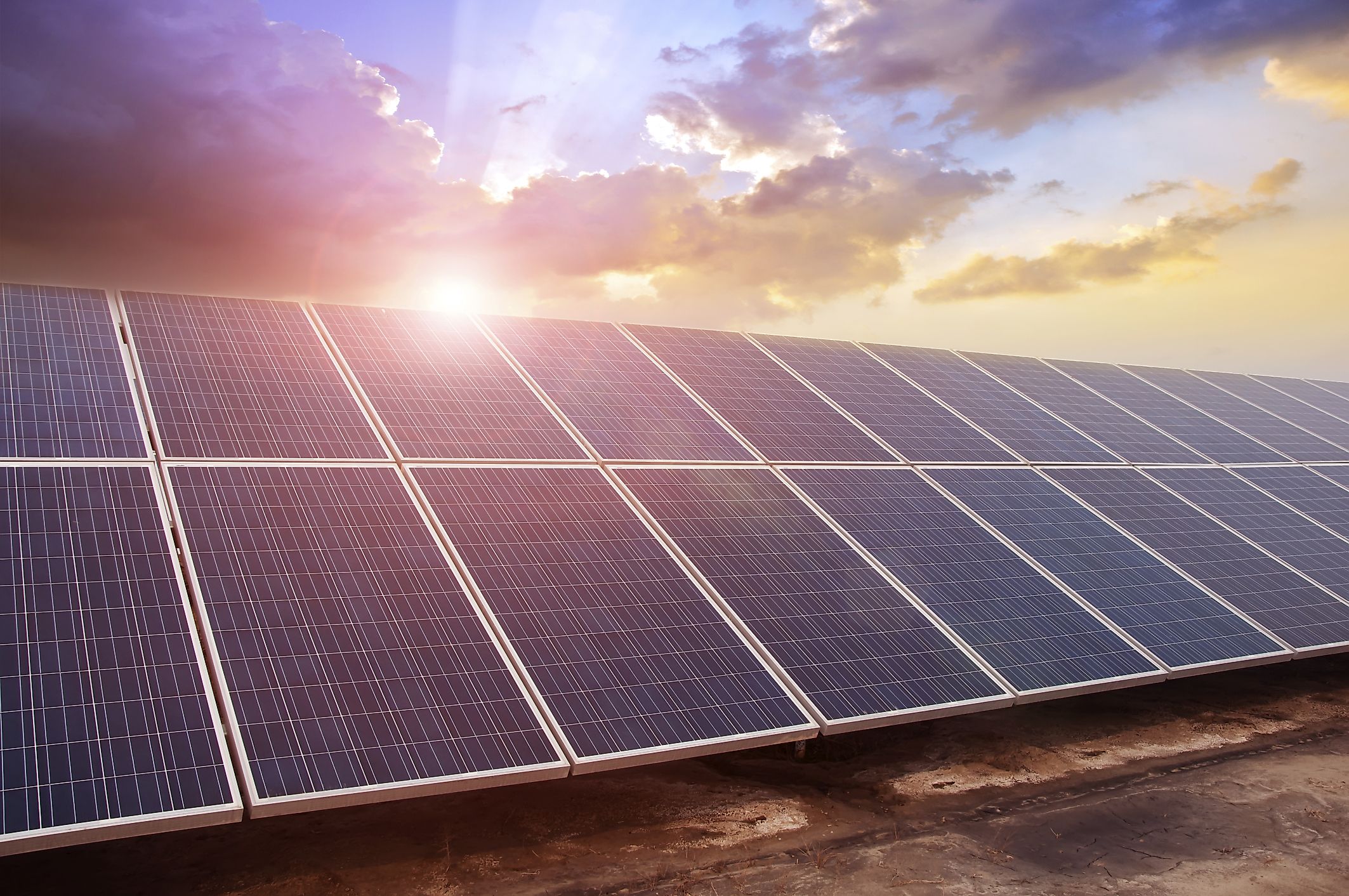
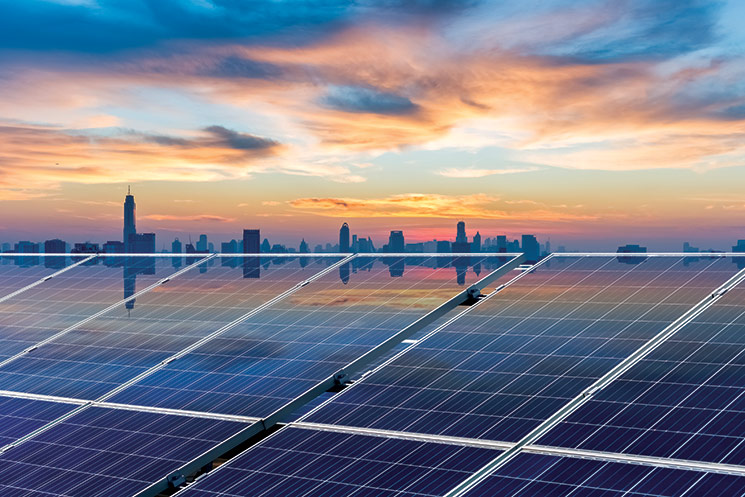
So, what exactly is solar energy? In simple terms, it's energy derived from the sun. We're talking about capturing the sun's light and heat and converting it into electricity or heat that we can use. The most common way to do this is through photovoltaic (PV) cells, which are the key components of those familiar solar panels. These cells convert sunlight directly into electricity. Think of them as tiny, highly efficient light-to-electricity converters!
The benefits of solar energy are pretty spectacular. First and foremost, it's a renewable energy source. The sun isn't going anywhere anytime soon (hopefully!), so we have a virtually endless supply of energy to tap into. This also means it's a clean energy source. Unlike fossil fuels, solar energy doesn't produce harmful emissions that contribute to air pollution and climate change. Going solar is a great way to reduce your carbon footprint and help protect the environment.
Must Read
Another major advantage is cost savings. While the initial investment in solar panels can be significant, in the long run, you can save a ton of money on your electricity bill. In some cases, you might even generate more electricity than you need and sell the excess back to the grid, earning you credits! Plus, many governments offer incentives, such as tax credits and rebates, to encourage people to go solar, further reducing the upfront costs.
However, like any technology, solar energy also has its disadvantages. One of the biggest is intermittency. Solar panels only generate electricity when the sun is shining. This means that cloudy days and nighttime can limit energy production. To address this, energy storage solutions like batteries are becoming increasingly popular, allowing you to store excess energy generated during sunny periods for later use.
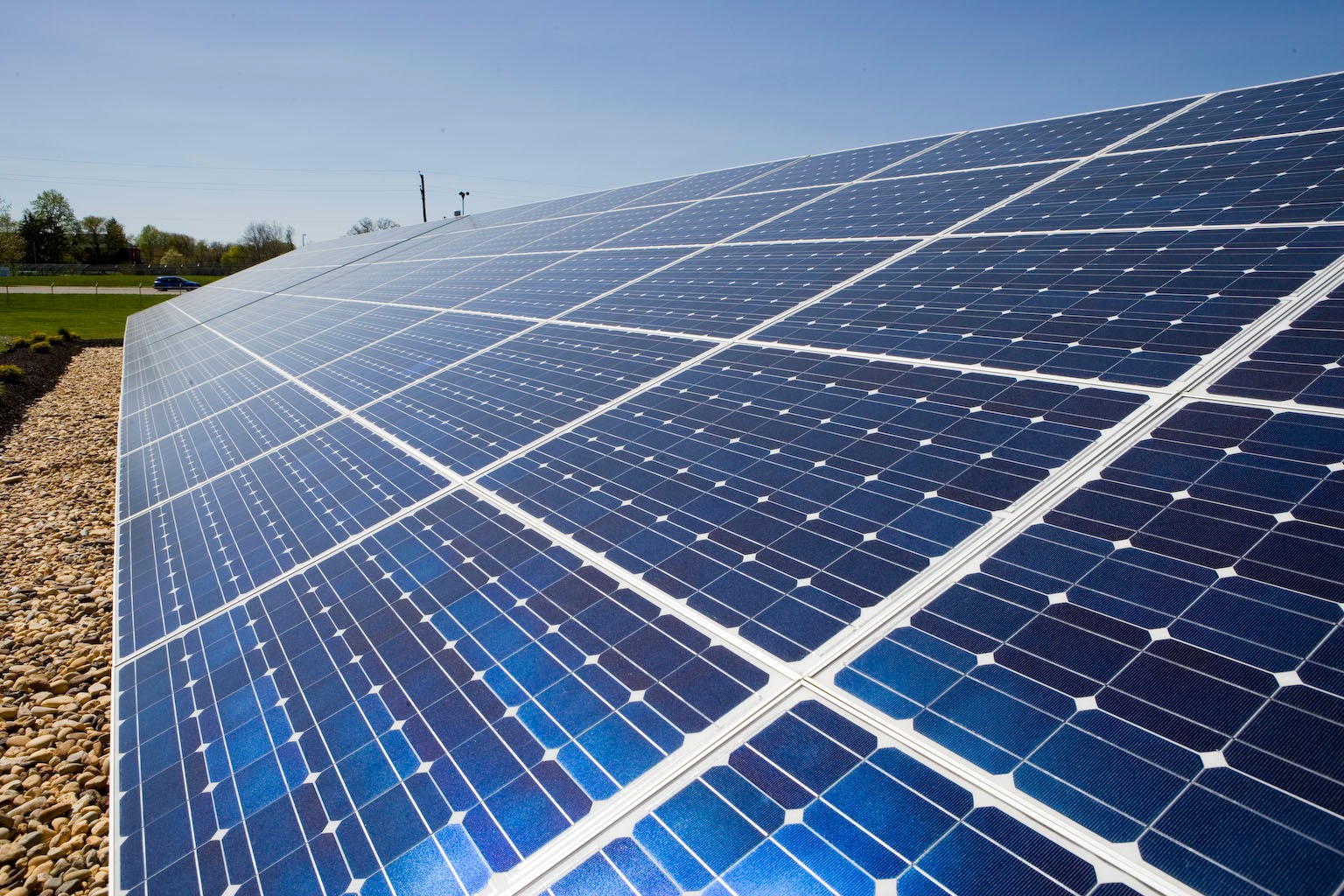
Another drawback is the initial cost. While prices have come down significantly in recent years, installing solar panels can still be a substantial investment. You need to factor in the cost of the panels themselves, installation, and potentially battery storage. The efficiency of solar panels can also be a limitation. While technology is improving all the time, solar panels currently convert only a percentage of the sunlight that hits them into electricity. Finally, solar panel production and disposal can have some environmental impact, although these impacts are generally far less than those associated with fossil fuels.
In conclusion, solar energy is a powerful and promising renewable energy source with numerous advantages. While there are challenges to overcome, ongoing technological advancements and increasing government support are making solar energy more accessible and affordable than ever before. So, the next time you see a solar panel, remember the incredible potential it holds for a cleaner, more sustainable future!