Sn Is The Chemical Symbol For

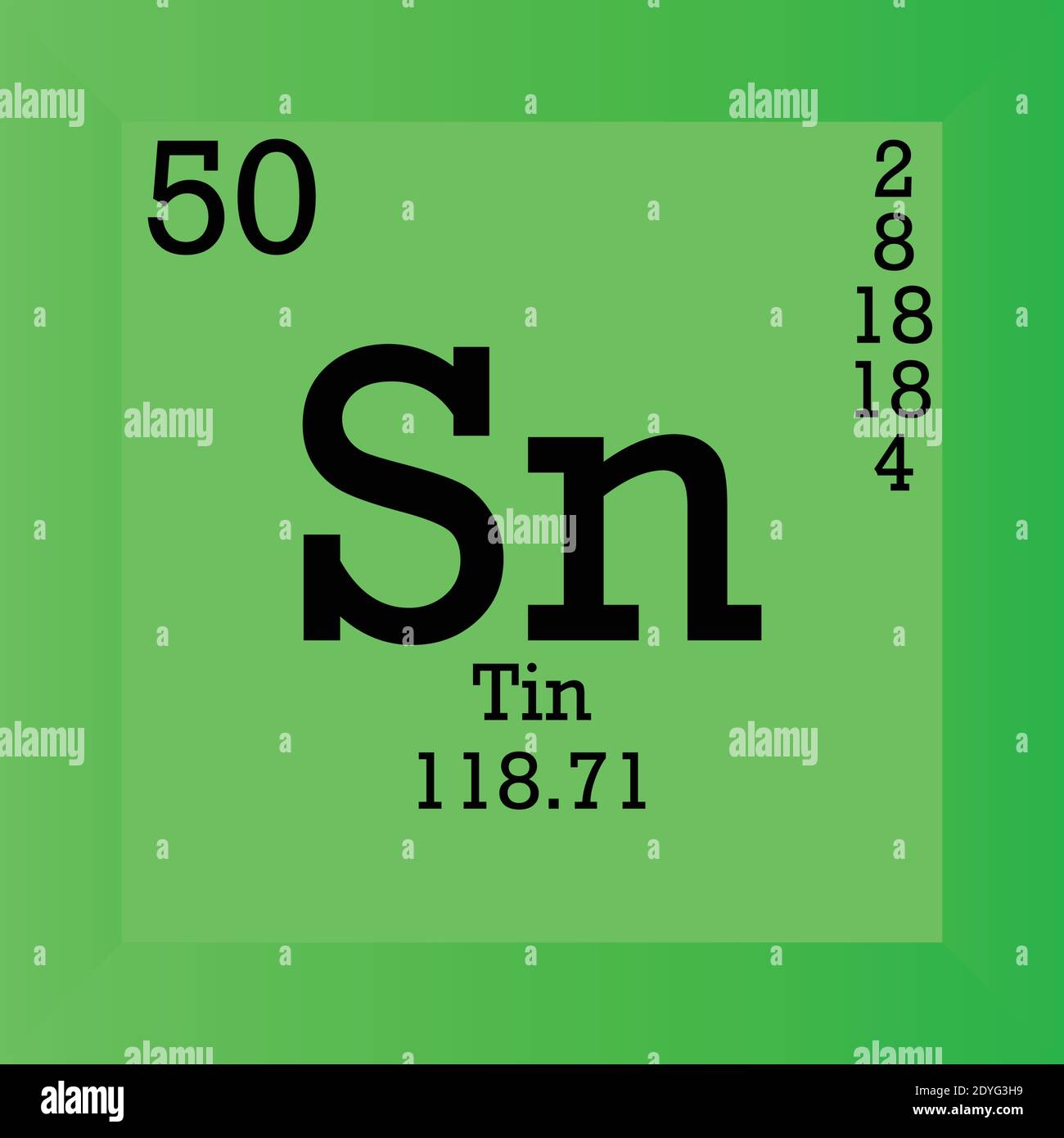
We live in a world brimming with fascinating elements, many of which play crucial, often unsung, roles in our daily lives. While you might know H for Hydrogen or O for Oxygen, have you ever paused to ponder the unassuming symbol Sn? It’s not as flashy as Gold (Au) or as ubiquitous as Iron (Fe), but Sn, the chemical symbol for Tin, is a true workhorse of the modern (and ancient!) world, quietly keeping things running smoothly. You might not actively "enjoy" tin in the same way you savor a gourmet meal or a good book, but understanding its subtle power allows for a deeper appreciation of the products and conveniences that shape your everyday existence.
So, what exactly does this humble element do for us? Tin's primary superpower lies in its remarkable resistance to corrosion. Unlike iron, which rusts readily, tin forms a protective oxide layer that shields whatever it covers from degradation. This makes it an ideal coating material, preventing rust and extending the lifespan of countless metal objects. Furthermore, tin has a relatively low melting point, making it easy to work with and an excellent component in alloys. It's also largely non-toxic, a critical factor for many of its applications, especially those involving food and drink. Without tin, many of the items we take for granted would simply not exist, or would be far less durable and safe.
The presence of tin is woven deeply into the fabric of our lives, often in ways you wouldn't expect. Perhaps its most famous, albeit slightly misnamed, application is in the "tin can." While the can itself is primarily steel, it’s the microscopic layer of tin plating that protects your canned goods from spoilage and metallic taste, ensuring your peaches taste like peaches, not rusty metal. Move to the world of electronics and plumbing, and you’ll find tin is the star ingredient in solder, the metallic "glue" that holds circuit boards together and seals pipes. Beyond these modern marvels, tin has a rich history: it’s the essential ingredient that turns soft copper into strong, durable bronze – the material that defined an entire age of human civilization for tools, weapons, and art. Even today, it's found in beautiful pewter tableware, some musical instruments (like organ pipes), and specialized window glass manufacturing.
Must Read
To truly "enjoy" tin more effectively, start by cultivating an eye for its hidden presence. Next time you open a can of beans, give a silent nod to that incredibly thin, protective layer of Sn doing its tireless work. When you plug in a device, consider the intricate web of solder joints, each one a testament to tin's ability to create reliable connections. If you ever come across an antique bronze statue or a pewter tankard, appreciate the enduring legacy of this versatile metal, transformed into something beautiful and lasting. Remember, while you might not hold a pure ingot of tin in your hand every day, its properties are constantly enhancing your world, providing protection, connection, and durability. So, give a quiet cheer for Sn – the humble element that truly makes a difference!