
Smoke Detector Three Beeps First Alert

Picture this: you're just chilling, maybe binging your favorite show, or finally getting some peace and quiet. Then, outta nowhere, you hear it. That insistent, attention-grabbing sound. Not a single beep, not a steady wail, but that unmistakable three-beep pattern. BEEP-BEEP-BEEP. Pause. BEEP-BEEP-BEEP. And you instantly know: your smoke detector is talking to you.
Ever wonder why it's always three beeps when it’s about smoke? It's not just a random choice, you know. There's a whole silent language happening right above your head, a secret code designed for your safety. And honestly, it’s pretty fascinating when you stop to think about it.
When we talk about "First Alert" specifically, we're often talking about one of the most common brands, a name practically synonymous with home safety. But regardless of the brand, that three-beep pattern is universally recognized for one critical thing: potential smoke.
Must Read
It's not your carbon monoxide detector yelling at you (that’s usually four beeps, by the way – another secret code!). And it’s definitely not that annoying single chirping sound every 30-60 seconds that means your battery is dying a slow, dramatic death (though we’ve all been there, right?). No, three beeps is all about smoke. And that’s pretty important.
Your Tiny, Vigilant Guardian
Think about it. This little disc on your ceiling or wall is basically a miniature, highly specialized sentry. It sits there, day in and day out, not asking for much, just quietly doing its job. It’s like a secret agent embedded in your home, constantly on alert, ready to spring into action if danger rears its smoky head.
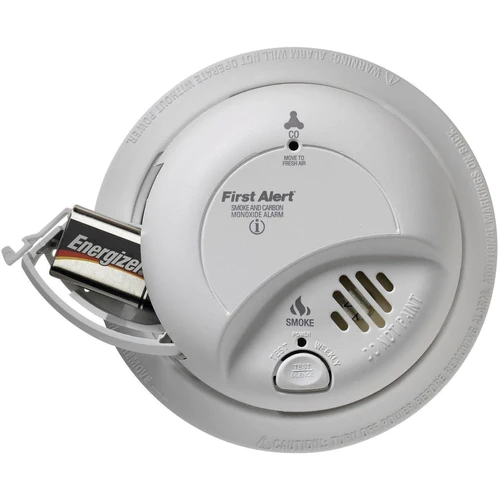
It’s like having a tiny, dedicated superhero perpetually on duty, but instead of capes and superpowers, it uses clever sensor technology and a loud voice. You might not even notice it most of the time, blending into the background, a subtle fixture in your home décor. But beneath that unassuming plastic shell lies a sophisticated system, a marvel of human ingenuity designed with one singular purpose: to protect you.
Isn’t that kind of amazing? We install them, maybe test them once in a blue moon (or when the battery reminder gets too insistent), and then we pretty much forget about them. But they never forget about us. They’re always scanning, always listening, always ready to give us that crucial first alert.
How does it even know? Without getting super technical, smoke detectors typically use one of two main ways to sniff out trouble. Some are like tiny light sensors, looking for smoke particles to interrupt a beam of light (photoelectric). Others use a minuscule bit of radioactive material to detect changes in the air’s electrical current when smoke enters the chamber (ionization).

Either way, it’s some seriously clever engineering. These devices are designed to detect microscopic particles that might not even be visible to your eyes yet. They're literally seeing (or rather, "sensing") the future, giving you those precious extra moments to react.
But back to the three beeps. Why not two? Or five? Well, it's about clarity and distinction. In the world of warning signals, unique patterns are key to preventing confusion. Three short bursts, repeated, is a universally adopted standard for smoke detection. It’s concise, attention-grabbing, and distinct enough to not be mistaken for a phone ringing, a microwave dinging, or even another type of alarm.
This isn't just arbitrary beeping, mind you. There's a deliberate design choice behind that specific rhythm. Think of it like an agreed-upon international distress signal, but for your home. In a world full of beeps, dings, and notifications, having a distinct pattern for "smoke alert" cuts through the noise. It’s designed to jolt you from complacency, to override whatever else you might be doing, and to focus your attention on a potentially serious issue. It's remarkably effective in its simplicity, making it difficult to ignore or misinterpret.
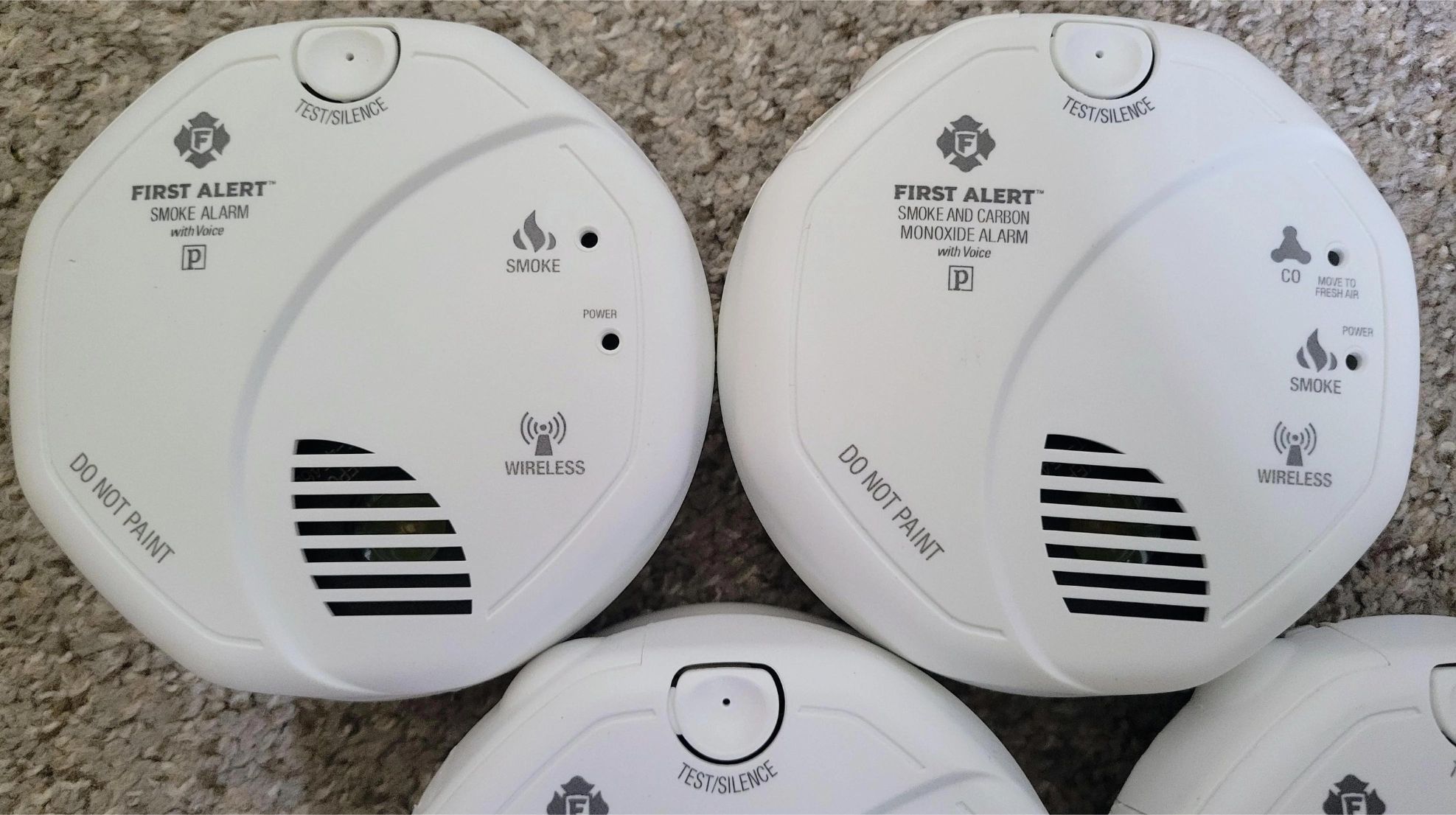
It’s an audible fingerprint for smoke, telling you: "Hey, pay attention! Something's burning, or about to be!" It's a clear, unambiguous message, delivered with urgency.
A Lifesaver on Autopilot
We often take these things for granted. But the truth is, smoke detectors are among the most effective and affordable safety devices ever invented. They don’t require a subscription, they don’t need Wi-Fi (unless they’re smart ones, which is a whole other cool story!), and they work tirelessly in the background.
That little plastic disc, emitting its distinct three-beep cry, has saved countless lives. It's not just an annoying sound; it’s a wake-up call, a guardian angel with a built-in alarm clock. And when it goes off, it's doing precisely what it was designed to do – protect you and your loved ones.
So, the next time you hear that familiar BEEP-BEEP-BEEP, instead of just groaning, maybe take a moment to appreciate the unsung hero on your ceiling. It's a marvel of simple yet profound technology, a testament to clever design, and a constant reminder that sometimes, the coolest things are the ones working silently to keep us safe.
Of course, when you hear those three beeps, your first thought should be to investigate safely. But once the immediate situation is handled, take a beat. Remember that your smoke detector is not just a piece of plastic; it’s a sophisticated safety device that just did its job. Maybe give it a mental pat on the back? And hey, it’s a great reminder to test all your smoke detectors regularly, clean them gently to keep dust out of their sensors, and replace them every 8-10 years. Because even silent heroes need a little maintenance now and then.
It really makes you think, doesn't it? How something so commonplace, something we barely give a second thought to, holds such immense power and responsibility. It’s a testament to good design, thoughtful engineering, and our collective human desire for safety. The humble smoke detector, with its undeniable three-beep first alert, isn't just a gadget; it's a piece of mind, a silent promise, and when needed, a very loud friend.