
Smoke Detector And Carbon Monoxide Detector

Hey there, safety superstar! Let's chat about a couple of little gadgets that are often overlooked but are absolute rockstars when it comes to keeping you and your loved ones safe. We're talking about your home's unsung heroes: smoke detectors and carbon monoxide (CO) detectors.
Seriously, these aren't just fancy pieces of plastic. They're like your home's personal bodyguards, constantly on alert for danger, even when you're busy dreaming of pizza or debating the merits of pineapple on pizza (it belongs, fight me!).
The Mighty Smoke Detector: Your Fire Alarm Friend
First up, the OG of home safety: the smoke detector. You know the one. It occasionally shrieks at you when you burn toast, making you jump three feet in the air. But really, it’s just doing its job, letting you know there's a problem before it gets out of hand.
Must Read
What do they do? Pretty straightforward: they smell smoke! And if they smell enough of it, they let out a wail that could wake the dead (or at least your grumpy teenager).
There are a couple of main types – ionization and photoelectric – but you don't need a science degree to understand them. Just know that they both work to detect different kinds of fires, so having a mix or a dual-sensor alarm is a super smart move. Think of it as having two sets of eyes, just in case one is distracted by a squirrel.
Where Do They Go? (The Real Estate of Safety)
Placement is key! You want smoke detectors on every level of your home, including the basement. Also, make sure there’s one outside each sleeping area and ideally, inside every bedroom too. Think of your bedrooms as VIP lounges – they need extra security!
Test, Test, 1, 2, 3!
This is important! You should be pushing that little test button on each detector at least once a month. It's a quick push, a loud beep, and a moment of peace knowing it’s working. Consider it a monthly fitness check for your safety system.
Battery Boogie
You know that annoying "chirp, chirp, chirp" sound that starts at 3 AM and sounds like a tiny, angry bird stuck in your ceiling? That's your smoke detector begging for a new battery! Don't ignore it! A good rule of thumb is to change your batteries twice a year. The easiest way to remember? When you change your clocks for daylight saving time – "spring forward, fall back, change your batteries!" Easy peasy.

The Stealthy CO Detector: Battling the Invisible Foe
Now, let's talk about the super sneaky one: the carbon monoxide (CO) detector. This guy is arguably even more vital because CO is often called the "silent killer." Why? Because you can't see it, smell it, or taste it. It's like an invisible ninja gas, and it's seriously dangerous.
CO is produced when fuels like gas, oil, kerosene, wood, or charcoal don't burn completely. Common culprits include furnaces, water heaters, stoves, dryers, fireplaces, and even your car if left running in an attached garage. Yikes!
Spotting the Symptoms (Or Not!)
Because it's invisible, CO poisoning symptoms can be mistaken for the flu: headaches, dizziness, nausea, weakness, confusion. The scary part? High levels can cause unconsciousness or death very quickly. This is why the CO detector is such a crucial member of your home safety team – it warns you before you even know there's a problem.

Where Do They Go? (CO's Corner Office)
Just like smoke detectors, you want CO detectors on every level of your home and outside sleeping areas. A good spot is typically chest height, as CO mixes well with air. Try to avoid placing them directly next to fuel-burning appliances, or in dusty, humid spots like bathrooms or kitchens where steam might set them off falsely.
Test It Out!
Yep, you guessed it! Your CO detector needs its monthly check-up too. Push that test button and listen for the alarm. It's a loud reminder that it’s standing guard.
Battery Time (Again!)
Just like smoke detectors, swap out those CO detector batteries twice a year. Stick with the daylight saving time trick; it’s a memory hack that saves lives!

The Dream Team: Combined Units
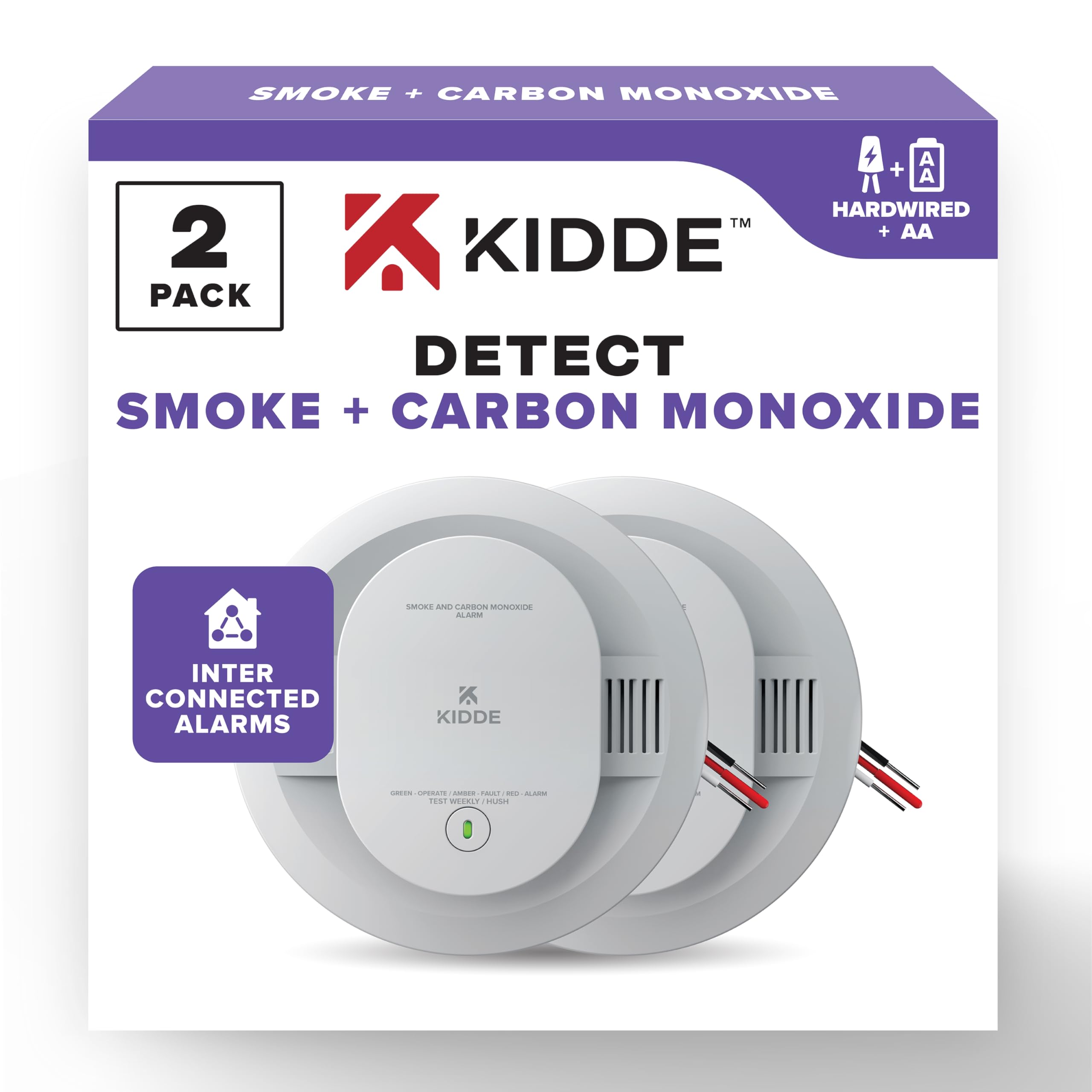
Good news! Many manufacturers now offer combined smoke and CO detectors. These are fantastic for convenience and coverage, giving you two layers of protection in one sleek unit. Two birds, one stone – literally!
A Few More Friendly Nudges
- Check the Expiration Date: These aren't forever gadgets! Most smoke detectors last about 10 years, and CO detectors typically last 5-7 years. After that, their sensors can become less reliable. Check the back for the "replace by" date and treat them to an upgrade when it's due.
- Don't Ignore the Chirp: Seriously, don't just put tape over it or throw it in the closet. That chirp means it needs a new battery or it's reached its expiration date. It's not a ghost; it's a plea for help!
- Have an Escape Plan: Knowing your detectors are working is great, but also have an escape plan in case of an alarm. Practice it with your family!
So, there you have it! These small, often-forgotten devices play a monumental role in keeping your home safe and sound. They're not just gadgets; they're peace of mind, allowing you to sleep soundly, knowing that your watchful guardians are on duty.
Go forth, test those detectors, change those batteries, and enjoy the safety and serenity of your happy home. You got this, safety superstar!