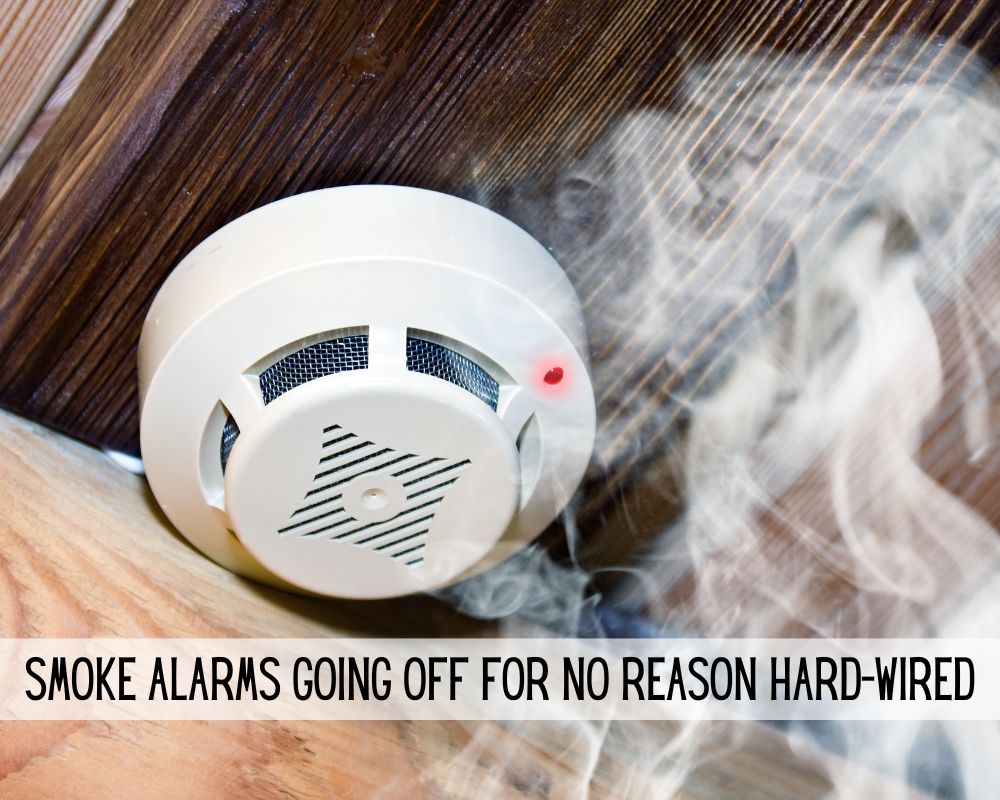
Smoke Alarm Hardwired Keeps Going Off
You know that sound? Not the gentle hum of a refrigerator, not the birds chirping at dawn. I'm talking about the siren of the apocalypse, the ear-splitting shriek that makes you leap three feet in the air and question every life choice you've ever made. The one that means either your house is on fire, or... well, probably not. It's just your smoke alarm, going off for the third time today, seemingly just to mock you.
And if you're like me, you don't just have one of those battery-powered chirpers you can silence with a well-aimed broom handle. Oh no. You've got the big guns. The hardwired kind. The ones that are interconnected, meaning when one decides it's time for a solo concert, the entire symphony orchestra of plastic discs in your home decides to join in. It’s a real treat, especially at 3 AM.
The Hardwired Horror: What Even Is It?
So, what's the deal with hardwired smoke alarms? Imagine a smoke alarm that went to a fancy private school, got an engineering degree, and decided it was too good for mere batteries. It’s wired directly into your home’s electrical system, usually with a battery backup just to rub it in that you can't truly silence it by just yanking a battery. These alarms are connected to each other, creating a network of noisy guardians. The idea is that if smoke is detected in the basement, the alarm upstairs will also scream, giving you more time to get out. Which is great, in theory. In practice, it often means a rogue dust bunny in the hallway can trigger an entire house-wide emergency alert.
Must Read
"But I Didn't Even Burn Toast!"
The first suspect is always, always your magnificent culinary skills. "Did I leave the oven on?" "Is that... smoke? Or just the ghost of last night's ambitious stir-fry?" But for hardwired alarms, the reasons can be a little more complex than just a slightly charred pop-tart.
Before you call the fire department (again), let's run through some common culprits and surprisingly simple fixes.

The Usual Suspects (and How to Sniff Them Out)
1. The Mighty Dust Bunny Army
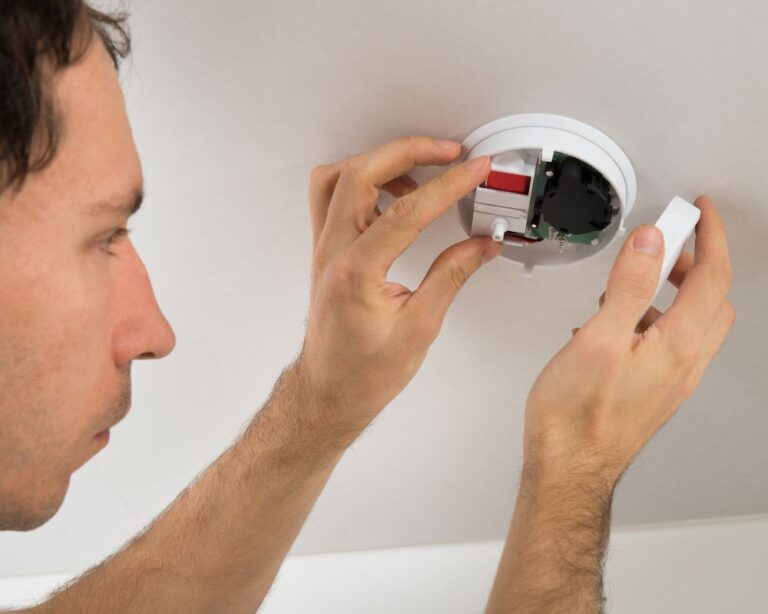
Believe it or not, dust, dirt, or tiny insects can trigger your alarm. They get into the sensing chamber and convince the alarm that your ceiling is, in fact, on fire. It's like a tiny rave happening inside, and the alarm is just overreacting. Take a vacuum with a soft brush attachment, or even just a compressed air can, and gently clean around the vents. You'd be surprised how often this works. Your alarm might just need a spa day.
2. The Elusive Low Battery Chirp (from Hell)
Even hardwired alarms have a battery backup. And oh, how they love to remind you of it. That intermittent chirp-chirp that sounds like a dying robot bird is the alarm telling you its 9-volt backup battery is on its last legs. The problem? If you have multiple interconnected alarms, finding the actual chirper can feel like an impossible game of Marco Polo in a dark house. My advice? Change all the backup batteries at once. Seriously. Just do it. Consider it a preventative strike against future auditory torture.
3. The Ghost in the Machine: Power Surges & Glitches
Because they're wired into your electrical system, hardwired alarms can be sensitive to power fluctuations. A brief power outage, a tiny brownout, or even just a rogue surge can sometimes make them freak out. Think of it as a jump-scare for your electrical grid. If this seems to be the case, a quick fix might be to reset your circuit breaker for the smoke alarms. Find the breaker marked "Smoke Alarms" (or sometimes "Lighting" or "General Purpose"), flip it off for 30 seconds, and then flip it back on. It’s the classic "turn it off and on again" for your entire alarm system.

4. They're Just Old (Seriously!)
Here’s a fun, slightly surprising fact: smoke alarms have an expiration date! Most manufacturers recommend replacing them every 10 years. That little date stamped on the back isn't just for show. Over time, the sensors can become less sensitive, or conversely, overly sensitive and prone to false alarms. It's like they develop a grumpy old personality. If your alarms are pushing a decade, it might be time to send them to the great electrical outlet in the sky and get some fresh, less dramatic models.
5. Location, Location, Location!
Sometimes, it’s just bad placement. Is your alarm too close to a bathroom door where steam from a shower can waft in? Is it right next to the kitchen, picking up every whisper of cooking fumes? What about near a vent or a drafty window that can blow dust or even just cold air across the sensor, triggering it? Relocating an alarm isn't always simple, especially when it's hardwired, but understanding if a location is problematic can help diagnose the issue.

The Grand Interconnection: Finding the Troublemaker
This is where hardwired systems get tricky. When one alarm senses trouble, it tells all the other alarms to join the chorus. So, how do you find the specific drama queen that's setting everyone off? Most modern hardwired alarms have a little secret: a "hush" or "test" button that, when pressed during an alarm, will typically only quiet the triggered unit and not the entire network. If pressing it silences all the alarms, you’ve probably found your culprit. Or, if you press the test button and only that specific alarm chirps, but the others stay quiet, it means that alarm is communicating properly with the network. But if one alarm starts going off, and you hush it, and then another one starts shrieking, you're playing a game of very annoying musical chairs.
When to Call in the Cavalry
If you've tried all of the above – cleaned them, changed batteries, reset the breaker, checked the age, and played detective to find the instigator – and your house still sounds like a siren convention, it might be time to call a professional. An electrician can test the wiring, check for faulty units, and ensure your system is properly installed and functioning. Sometimes, one faulty unit can cause all sorts of chaos in an interconnected system, and they can pinpoint it faster than you can yell "False Alarm!" for the tenth time.
So, the next time your hardwired smoke alarm decides to audition for a heavy metal band, take a deep breath. It's probably not the end of the world, just a quirky, sometimes overly dramatic, piece of home safety equipment doing its best (or worst) to communicate. And maybe, just maybe, it’s secretly trying to tell you it needs a good cleaning, a fresh battery, or a well-deserved retirement.