
Slc 500 Programmable Controller

Alright, so you wanna chat about the SLC 500? Cool! Grab a coffee (or your favorite sugary soda – no judgment here!), and let's dive in. Think of it as the workhorse of the PLC world... kinda like that reliable, slightly dusty pickup truck your grandpa used to have. Always got the job done, right?
The SLC 500, short for Small Logic Controller, was Allen-Bradley's (now Rockwell Automation) it controller for a good long while. We're talking back in the day, folks. Like, when parachute pants were acceptable attire. Okay, maybe not that far back, but close!
What's the Big Deal?
So, why was it so popular? Simple: It was reliable, relatively easy to program (for its time!), and affordable. You could basically automate a whole factory floor with one of these bad boys... or at least a good chunk of it. Seriously, it's like the Swiss Army knife of industrial automation.
Must Read
It used a ladder logic programming language. Imagine electrical diagrams, but instead of physically wiring things, you're drawing them on a computer screen. Pretty neat, huh? And surprisingly intuitive once you get the hang of it. Well, mostly intuitive. There were definitely some head-scratching moments.
Think of ladder logic as visual code. Like solving a really complex puzzle…that controls machines! Okay, I might be overselling the fun factor a tad. But hey, automating stuff is pretty darn cool.
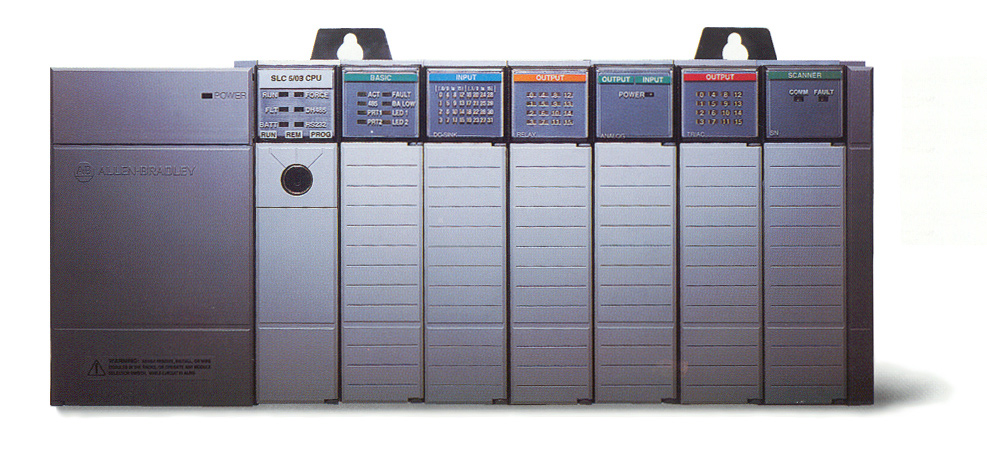
Key Features (aka The Good Stuff)
Let's talk about some key features. First off, modularity! You could add modules for inputs, outputs, communication, and other fancy things. Need more inputs? Just slap in another input module! Need to talk to other devices? Communication module to the rescue! It was all very Lego-like. And who doesn't love Legos?
Next, it had a pretty decent instruction set for its day. Timers, counters, sequencers, math functions... the works. You could do some pretty complex stuff with it, even though the processing power wasn't exactly what you'd call "blazing fast" by today's standards. But hey, it got the job done! And isn't that what really matters?
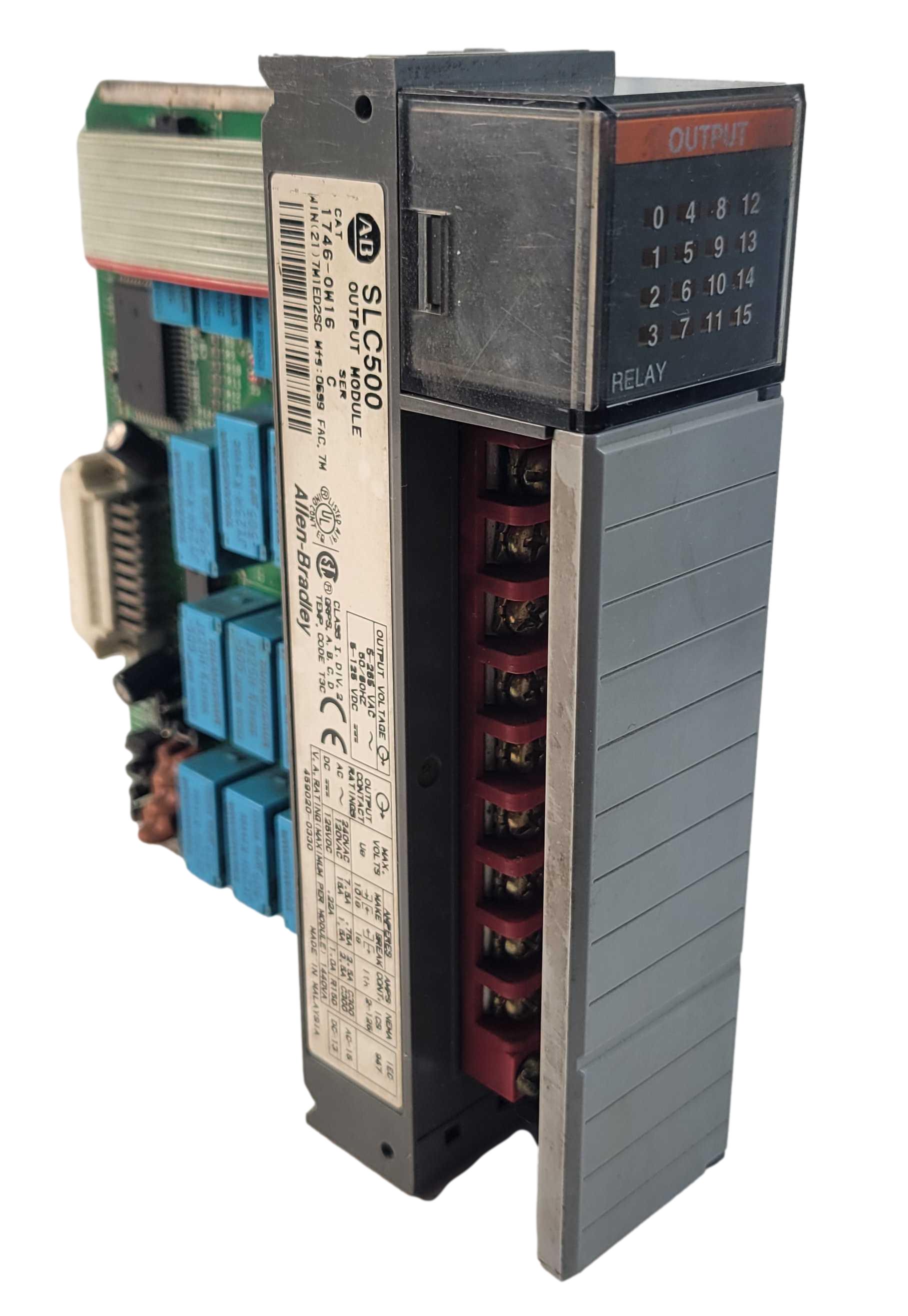
And don't forget the various communication options! DH-485, Ethernet (eventually!), and other protocols that probably sound like gibberish to anyone under the age of 30. But trust me, they were important! They allowed the PLC to talk to other devices, like HMIs (Human-Machine Interfaces) and other PLCs. Because what’s the point of automating if your machines can’t talk to each other? It's just rude.
SLC 500's Place in History
Now, let’s be real. The SLC 500 isn't exactly the newest kid on the block anymore. Rockwell Automation has since released newer, faster, and more powerful controllers. Stuff that makes the SLC 500 look like… well, like that reliable, slightly dusty pickup truck I mentioned earlier.
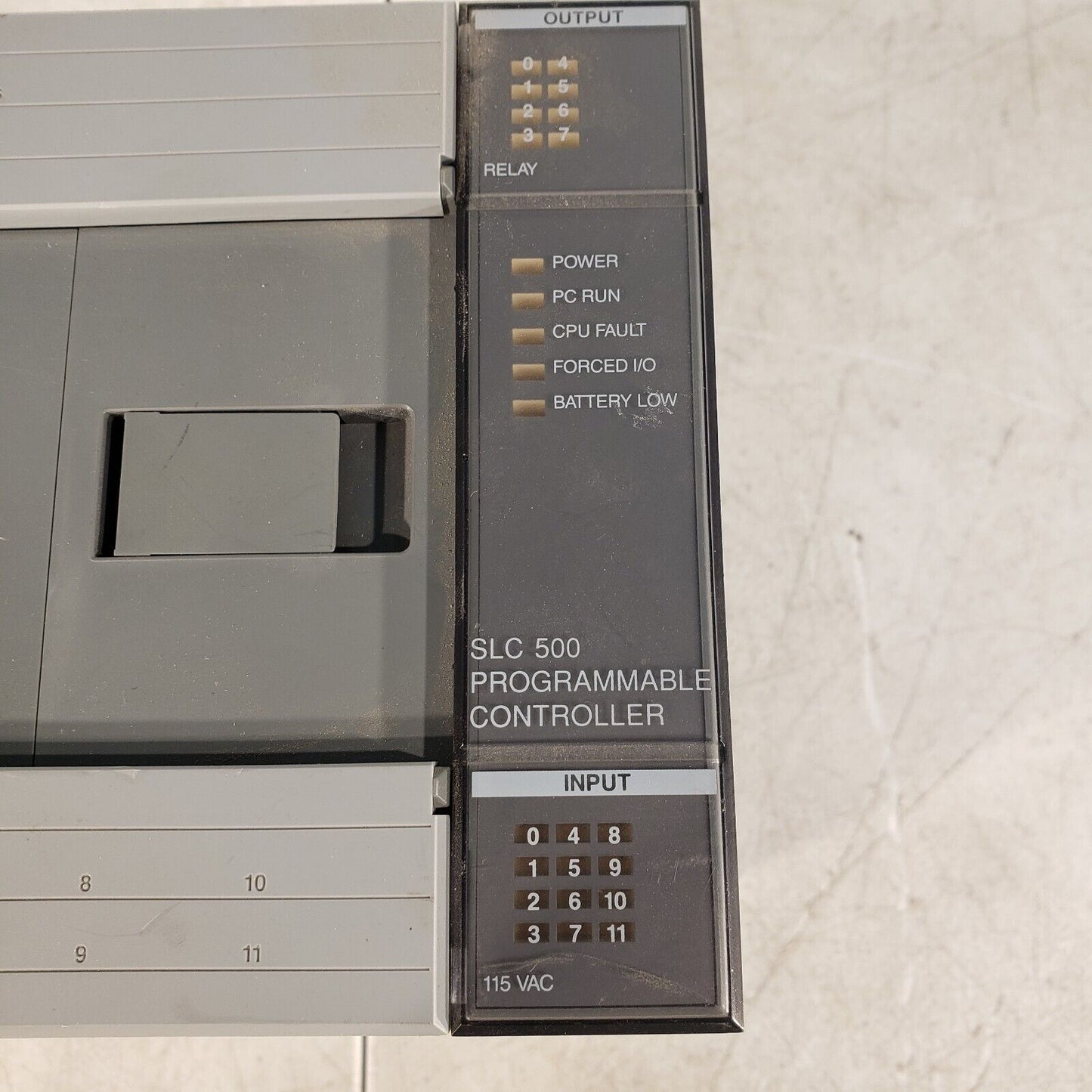
But here's the thing: there are still tons of these PLCs running in factories all over the world! They're like the cockroaches of the automation world... in a good way, of course! Tough, dependable, and resistant to change. So if you're in the field, chances are you'll run into one sooner or later.
And knowing how to work with them can be a huge asset. Why? Because companies don't always want to rip out perfectly functional equipment just to upgrade to the latest and greatest thing. (Think ROI, people!). So, becoming an SLC 500 whisperer can make you a valuable asset. Maybe even… a hero! (Okay, maybe I’m exaggerating again. But still!).
Final Thoughts
The SLC 500: It's a classic. A legend. A testament to good engineering and simple, robust design. It might not be the sexiest or most technologically advanced PLC out there, but it's earned its place in industrial automation history. Think of it like that old friend who always has your back. A little outdated? Sure. But reliable and trustworthy? Absolutely. Plus, learning about it will give you a solid foundation for understanding more modern PLCs. You never know when that knowledge might come in handy!
