
Sizing A Ceiling Fan For A Room
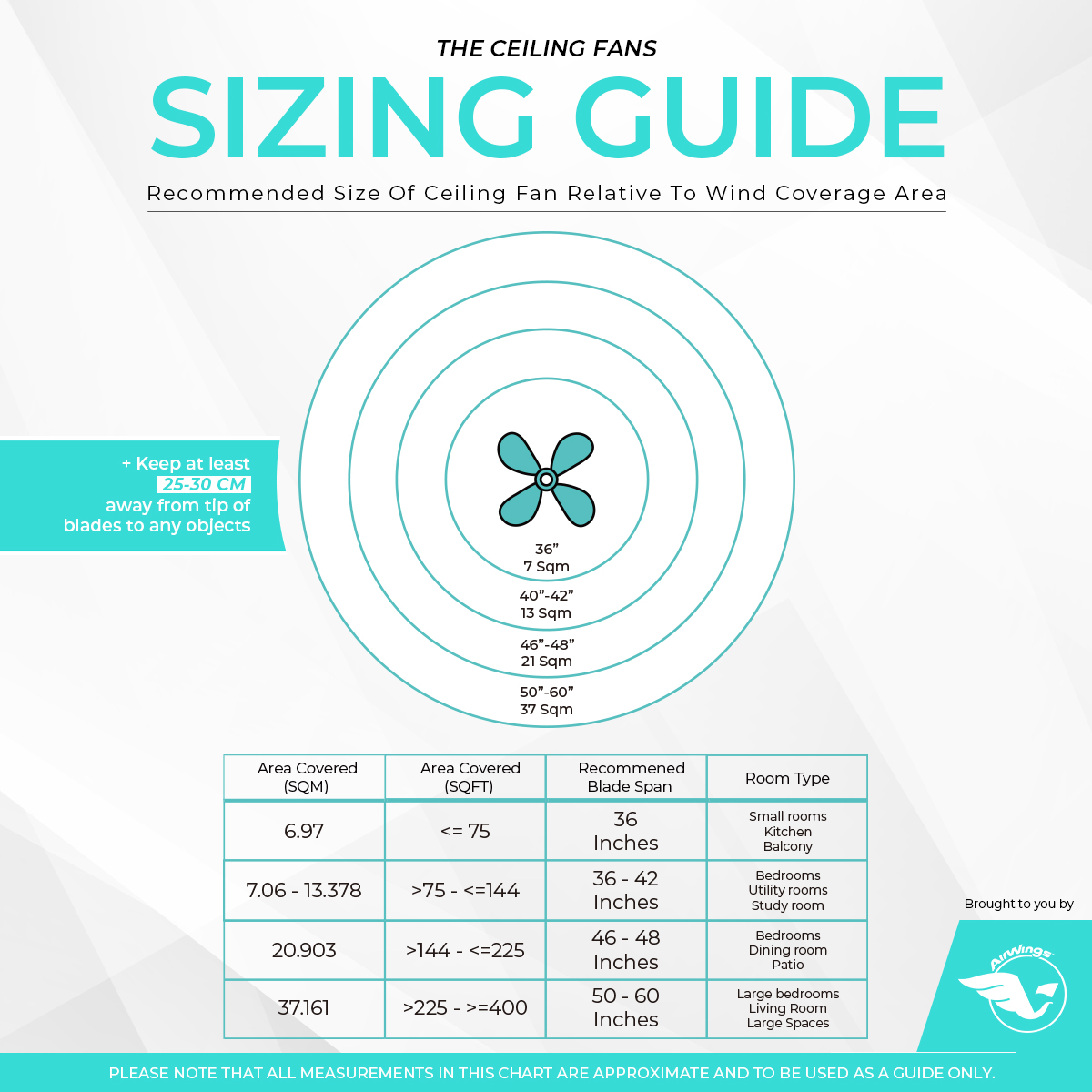
Ever walked into a room and felt that perfect, gentle breeze, like a friendly ghost just floated by? Or maybe you've been in a place where the fan was trying to recreate a hurricane in your living room, or barely nudging a feather? Yup, we've all been there. It turns out that getting the right ceiling fan isn't just about picking a pretty design; it’s about finding its Goldilocks fit for your space.
Think about it: a ceiling fan is more than just a whirring gadget. It's a silent guardian against stuffiness, a whisper of coolness on a warm day, and a subtle helper for your heating bill in winter. But for it to work its magic properly, it needs to be the right size. And trust me, getting it right is surprisingly satisfying!
Why Sizing Up Your Fan Is Cooler Than You Think
First off, let’s tackle the obvious: comfort. A fan that’s too small for a large room is like trying to cool a swimming pool with a teacup. Cute, maybe, but not very effective, right? You’ll feel a little wisp of air directly underneath, but the rest of the room? Still baking. On the flip side, a giant fan in a tiny space? That’s like a jet engine trying to stir your morning coffee. Too much power, too much drama, and probably a messy cleanup! You’ll be living in a constant wind tunnel, and nobody wants that.
Must Read
Beyond personal comfort, there’s the whole energy efficiency angle. A correctly sized fan doesn't have to work overtime to do its job, which means it uses less energy. When it’s spinning just right, it circulates air efficiently, making you feel cooler by creating a wind-chill effect. This often means you can nudge your thermostat up a few degrees in summer and feel just as comfortable, saving you some serious cash. In winter, running it in reverse (a fantastic feature many fans have!) gently pushes warm air from the ceiling down, again, helping you save on heating. Pretty neat, huh?
The Super Simple Sizing Secret: Square Footage
So, how do we find that sweet spot? It’s mostly about matching the fan's blade span (that's the total diameter of the fan, from one blade tip to the opposite one) to your room's square footage. Don't worry, no advanced math degrees required here – just a measuring tape and a quick calculation!
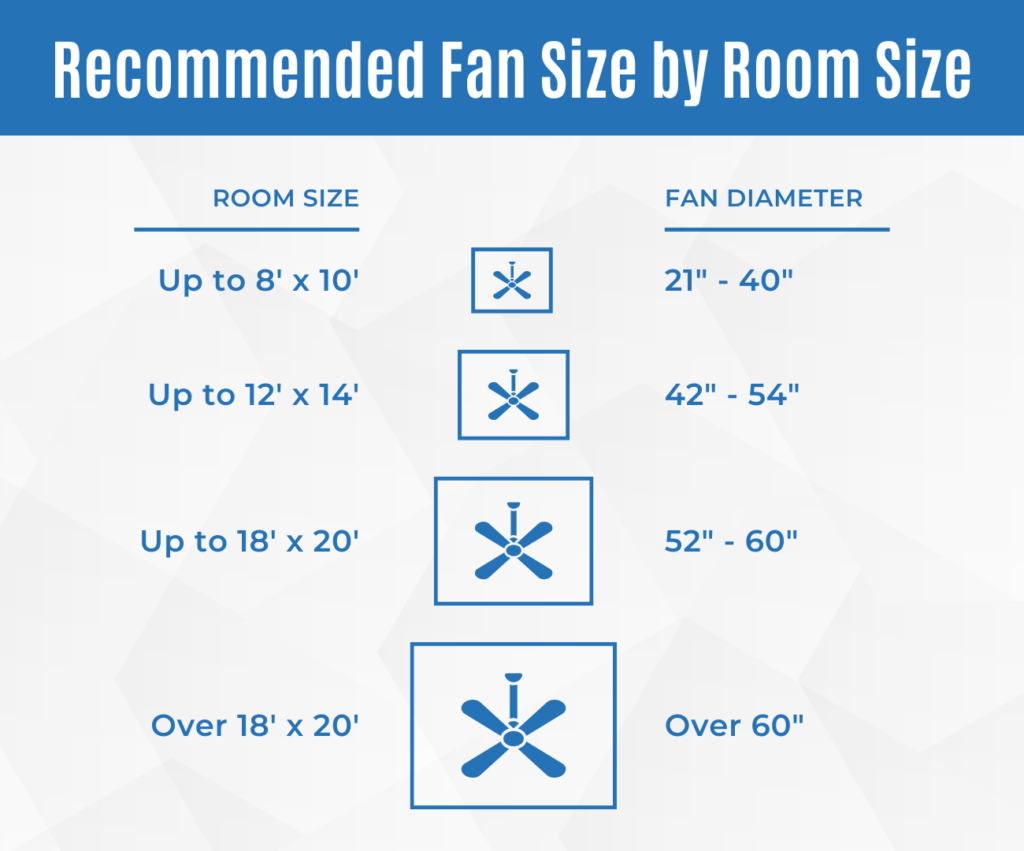
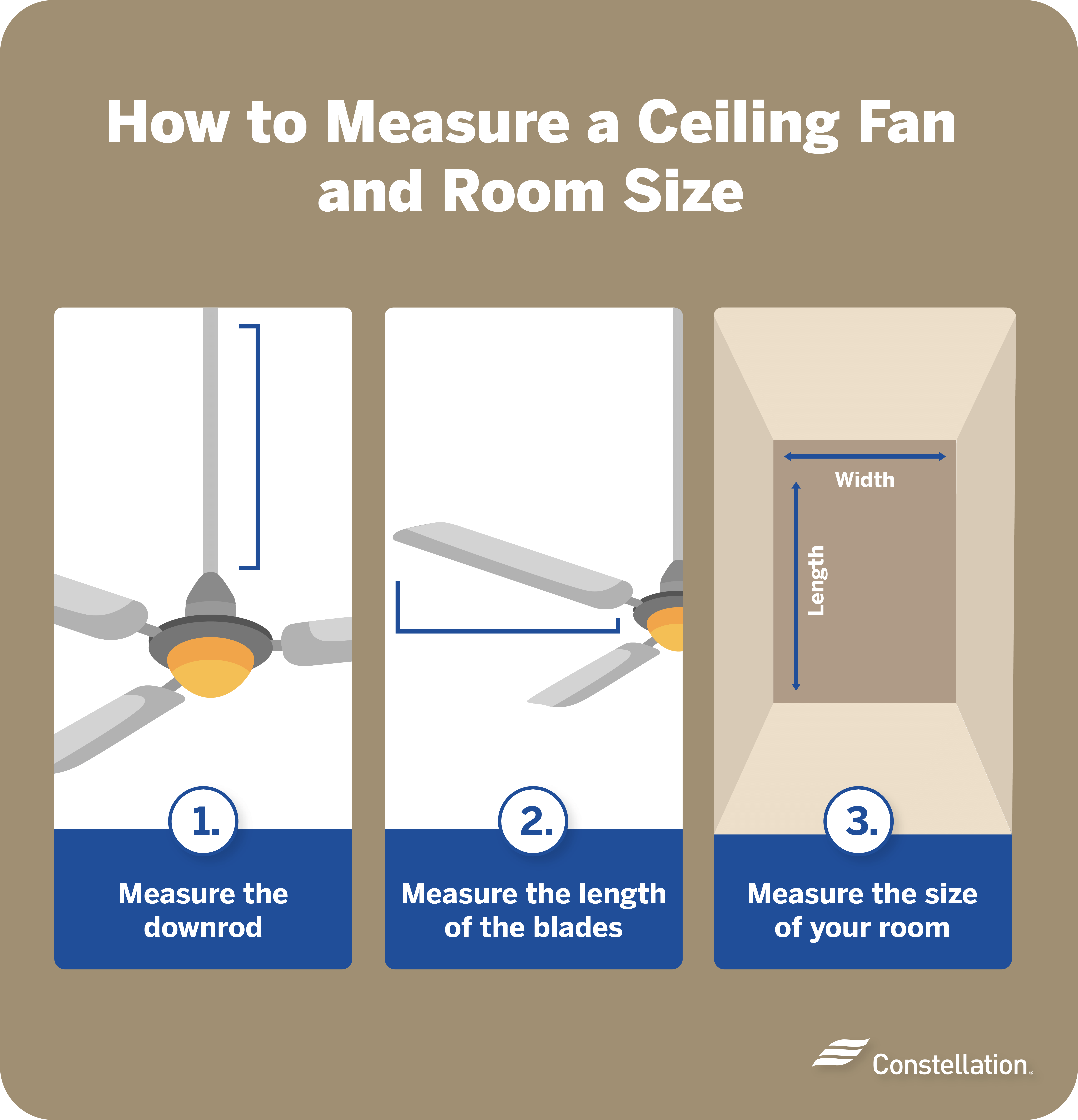
First, measure your room's length and width. Multiply those two numbers, and boom – you have your square footage. Easy peasy!
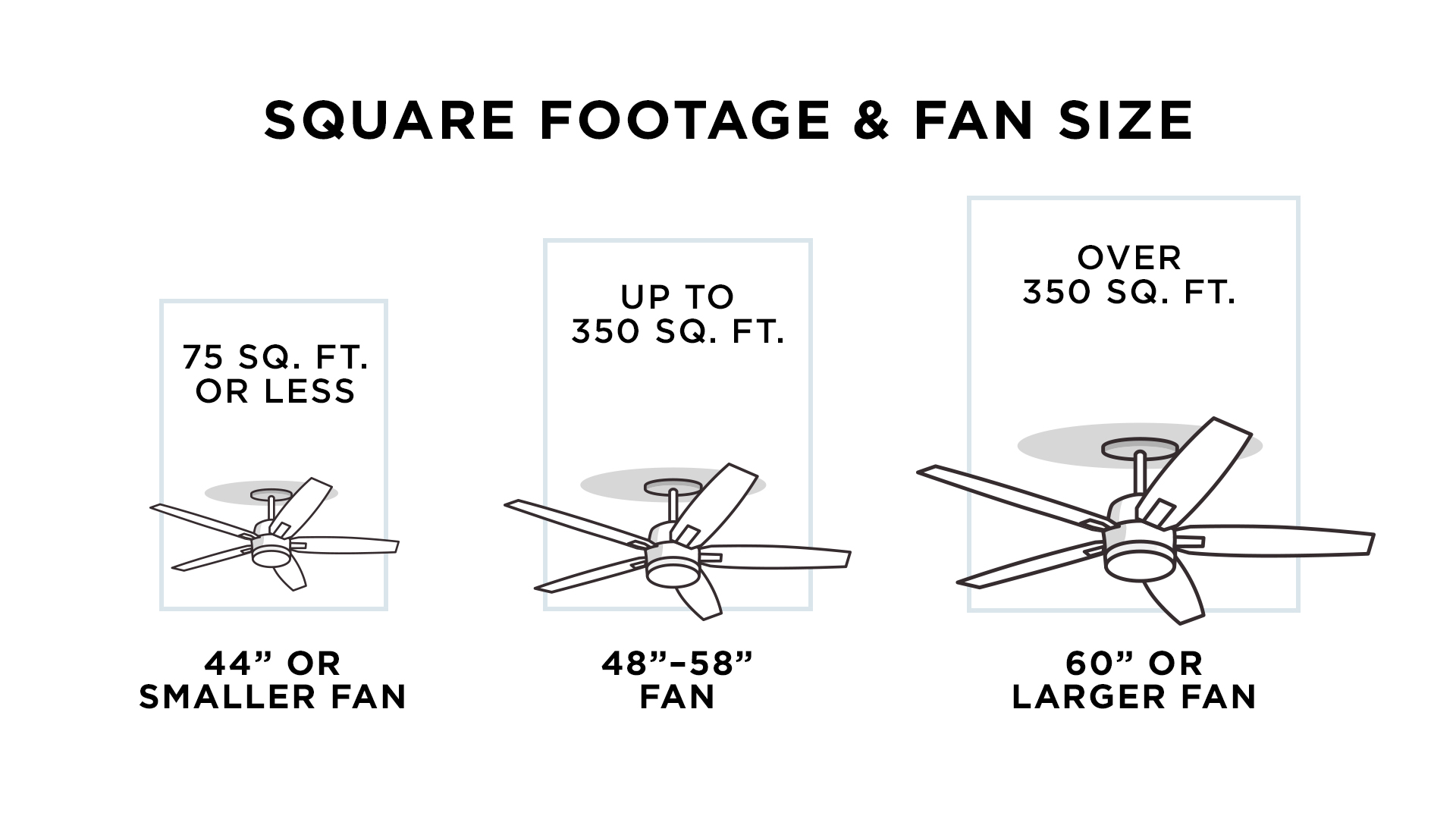
Once you have that number, here’s a super handy, general guide. Think of this as your cheat sheet to fan happiness:
- Rooms up to 75 sq ft: Go for a fan with a blade span around 30-36 inches. Perfect for small offices, bathrooms, or cozy nooks.
- Rooms 76-144 sq ft: A 42-inch fan is your friend here. Ideal for smaller bedrooms or kitchens.
- Rooms 145-225 sq ft: Step up to a 44-50 inch fan. This is a common size for standard bedrooms or dining rooms.
- Rooms 226-400 sq ft: You're looking at a 52-54 inch fan. This is often the sweet spot for living rooms and larger master bedrooms.
- Rooms over 400 sq ft: For really expansive spaces, consider a 60-inch or larger fan. Sometimes, two smaller or medium-sized fans strategically placed work even better than one giant one. Why not double the breeze?
See? It's not rocket science, just a little common sense translated into numbers!
A Little Extra Finesse: Ceiling Height and CFM
While square footage is your primary guide, there are a couple of other cool things to keep in mind. If you have really high ceilings (think 9 feet or more), you might want to use a downrod to bring the fan lower. Why? Because you want those blades to be about 7-9 feet above the floor for optimal airflow. If it’s too high, the air just gets lost up there, swirling around doing nothing for you.
Then there’s CFM, which stands for Cubic Feet per Minute. This is like the fan's "power rating" – how much air it can actually move. While you don't necessarily need to memorize CFM numbers, knowing that a higher CFM generally means more powerful airflow can be helpful when comparing two fans of similar size. Some fans are just built to push more air, even if they look the same on the outside!
The Takeaway: Trust Your Gut (and the Numbers!)
Choosing the right size ceiling fan is less about rigid rules and more about creating the perfect atmospheric vibe for your home. It’s about being comfortable, saving a little energy, and making sure your fan isn’t just a pretty face, but a true workhorse. So, next time you're eyeing a new fan, take a moment to measure your space. You'll be amazed at how much difference that little bit of planning can make. Your room (and your wallet!) will thank you for it!
