Size Of Wire For 30 Amp Breaker
Ever peered at your home's electrical panel, a maze of switches and numbers, and wondered what secret language it speaks? Or perhaps you’ve connected a new appliance and thought, "Is this going to work, or am I asking for trouble?" Well, today we’re going to peel back a tiny layer of that mystery and explore something truly fundamental (and surprisingly fun to understand): the size of wire for a 30 amp breaker. It might sound super technical, but trust me, it’s all about keeping your home safe and your gadgets humming happily.
Think of electricity flowing through a wire like water through a pipe. A breaker, like that 30-amp one, is essentially a safety valve designed to shut off the flow if too much electricity tries to push through. Why? Because if the wire is too small for the amount of electricity (or "current") passing through it, it gets hot. Really hot. And a really hot wire is a serious fire hazard. So, the main purpose of matching the wire size to the breaker size is purely about safety. The breaker's job isn't to protect your appliance; it's to protect the wire itself from overheating and causing damage or, worse, a fire.
Understanding this relationship offers immense benefits. For one, it gives you a deeper appreciation for the unseen infrastructure powering your life. You learn why certain appliances need dedicated circuits and why a simple extension cord might not cut it for heavy-duty tools. It ensures that your electrical system can handle the load without stress, leading to a more reliable and, most importantly, safer home environment.
Must Read
Where do we see this in action? Think about big energy-hungry appliances in your daily life. An electric clothes dryer, for instance, often requires a 30-amp circuit. So does a central air conditioning unit or perhaps an electric water heater. Even some powerful electric car chargers use 30-amp or higher circuits. In a classroom, exploring this topic could involve learning about the National Electrical Code (NEC), which dictates these standards, or even a hands-on (but safe!) demonstration of how different sized wires handle current in a simple circuit. It’s a core concept in any basic electronics or DIY home repair education.
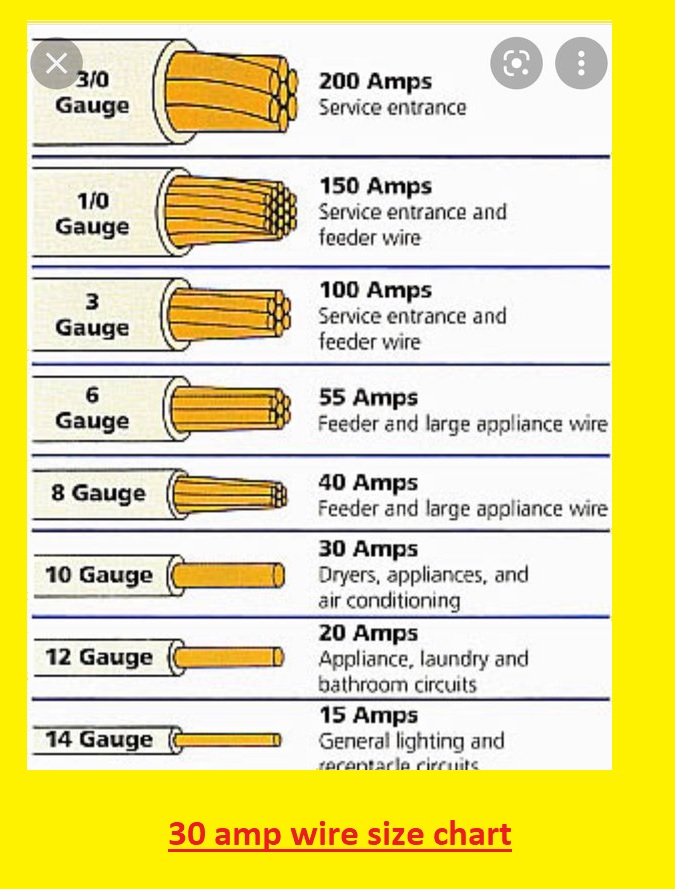
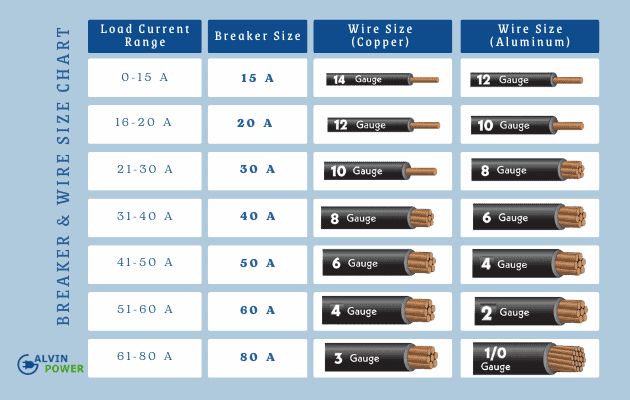
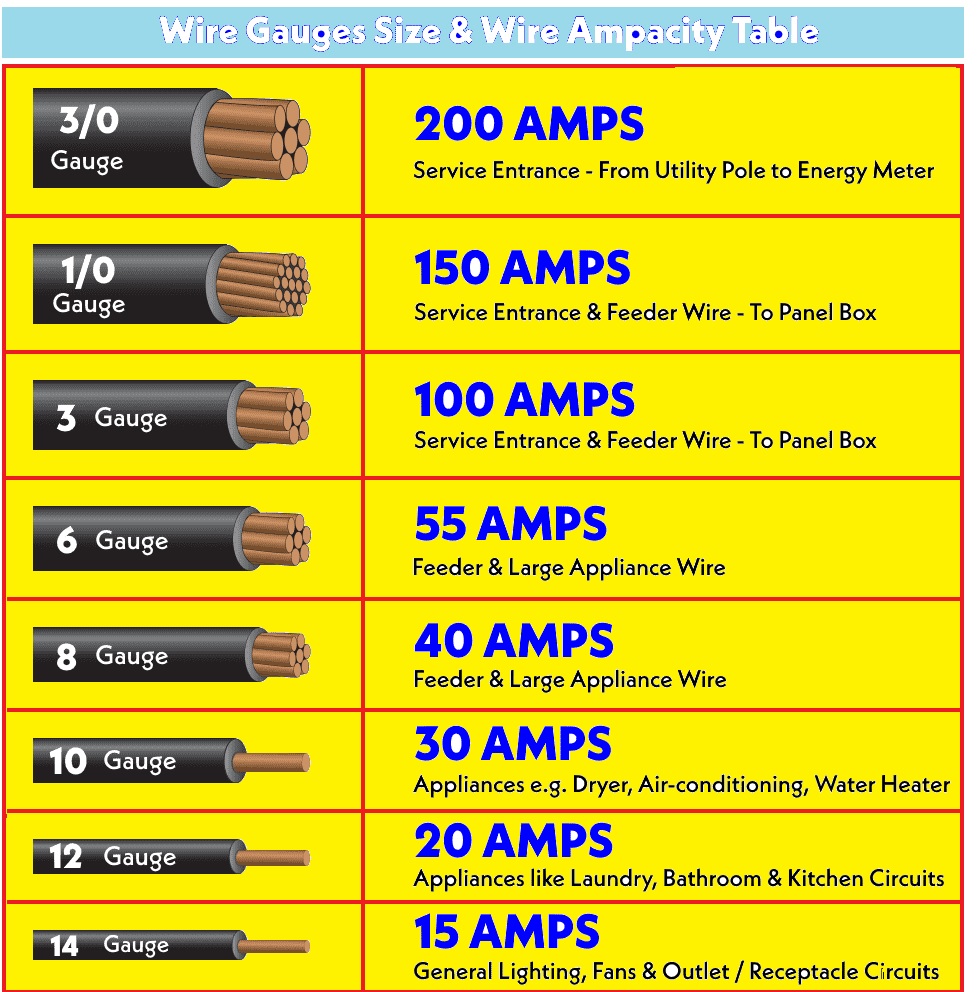
So, what's the magic number for a 30-amp breaker? Generally speaking, for most residential applications using copper wire, you're looking at 10-gauge (10 AWG) wire. Remember, with American Wire Gauge (AWG), the smaller the number, the thicker the wire. So, 10 AWG is thicker than 12 AWG, and thus can safely carry more current.

Ready for some practical exploration? While I must stress that any actual electrical work should always be performed by a qualified, licensed electrician, you can still satisfy your curiosity safely. Next time you open your dryer’s manual, look for its electrical requirements – you’ll likely see it specifies a 30-amp circuit. You can also safely observe your electrical panel from a distance, noting the breaker labels. For the truly curious, a quick online search for "NEC wire gauge chart" will reveal the standard tables that electricians use, allowing you to see the recommended wire sizes for various breaker ratings.
Understanding the basic principle of matching wire size to breaker size empowers you to ask smarter questions, recognize potential issues, and appreciate the incredible engineering that keeps your home powered. It’s a little piece of knowledge that contributes to a much bigger picture of safety and efficiency, proving that even seemingly small technical details can be incredibly important and fascinating to unravel!