Six Sigma And Lean Manufacturing Principles
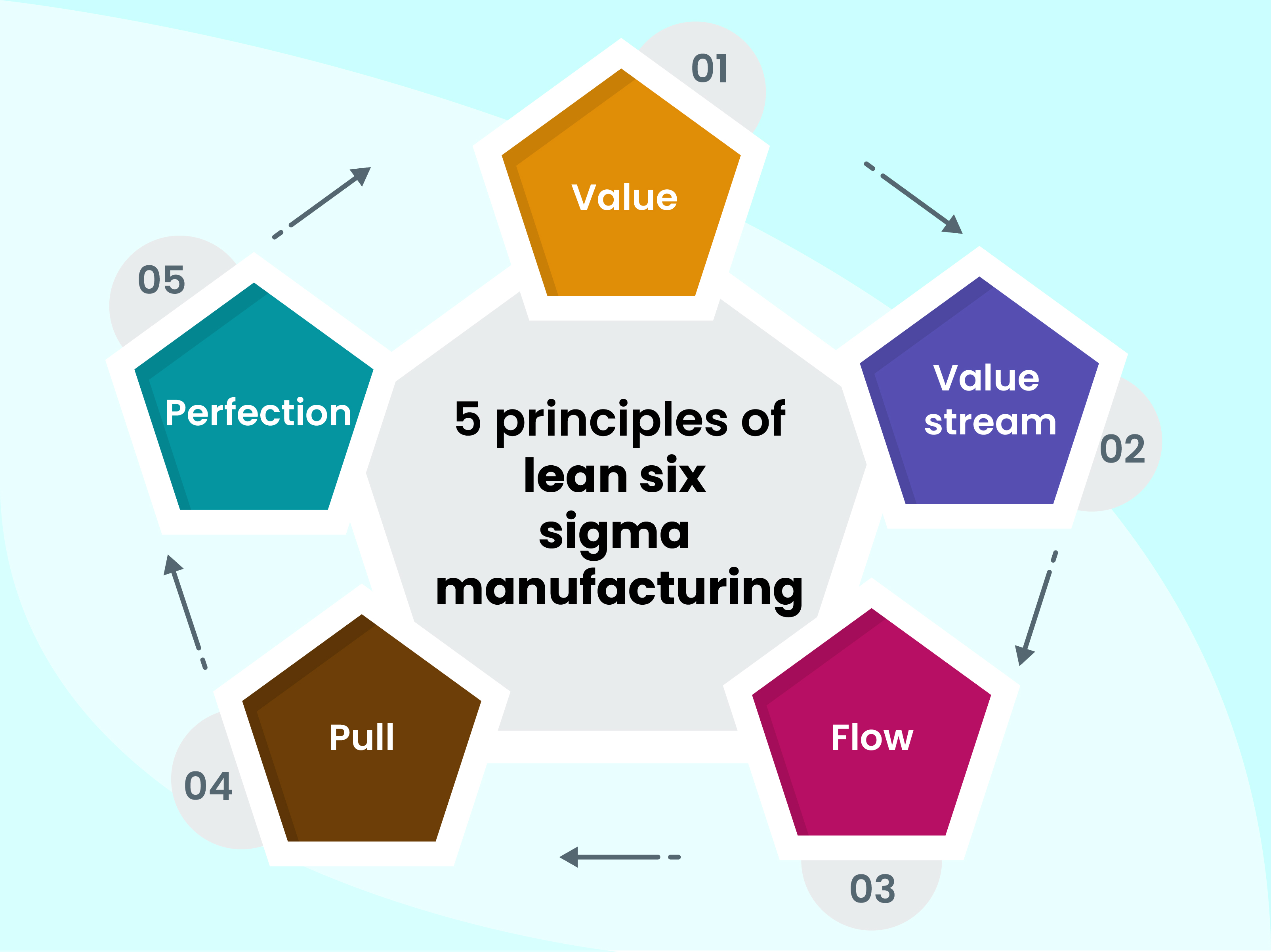
Ever feel like your life is one giant, messy to-do list? Like you're running around putting out fires instead of actually getting things done? Well, buckle up, buttercup, because I'm about to introduce you to two superheroes that can rescue you from chaos: Six Sigma and Lean Manufacturing! Now, I know what you're thinking: "Manufacturing? That sounds boring!" But trust me, these principles aren't just for factories; they're life hacks disguised in fancy jargon.
Six Sigma: Slaying the Dragons of Defects
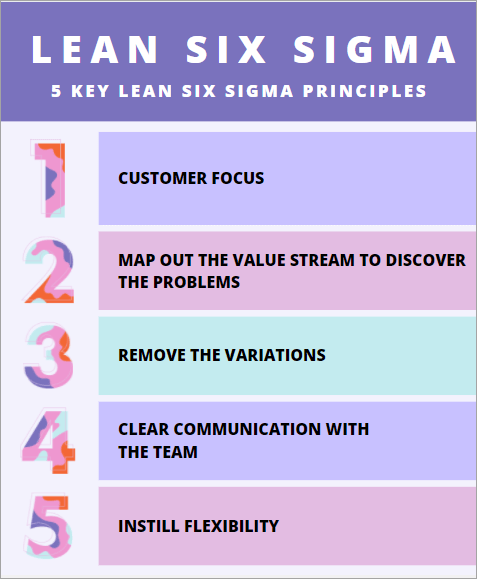
Imagine your favorite bakery. You go in craving that perfect croissant, but half the time it's either burnt to a crisp or flatter than a pancake. That's a defect! And defects, my friend, are the enemy. Six Sigma is all about banishing those pesky problems, aiming for near perfection. We're talking 99.99966% defect-free! That's like baking a million croissants and only having three that are slightly wonky. Pretty impressive, right?
The core idea behind Six Sigma is to reduce variation. Think of it like this: if every croissant is exactly the same, you know exactly what you're going to get. No more roulette with your breakfast pastry! Six Sigma uses a structured approach called DMAIC (Define, Measure, Analyze, Improve, Control). It sounds complicated, but it's really just a fancy way of saying: figure out what's wrong, see how often it happens, figure out why it's happening, fix it, and then make sure it stays fixed.
Must Read
Think of it like this: you keep burning your toast. (Define: burnt toast problem!) You notice you burn it every other day. (Measure: 50% toast-burning rate!) You realize the toaster's dial is wonky. (Analyze: faulty dial!) You get a new toaster! (Improve: toaster replacement!) You set a reminder to clean the new toaster regularly. (Control: regular cleaning = happy toast!) See? You're already a Six Sigma master!
Lean Manufacturing: Cutting the Clutter, Boosting the Bliss
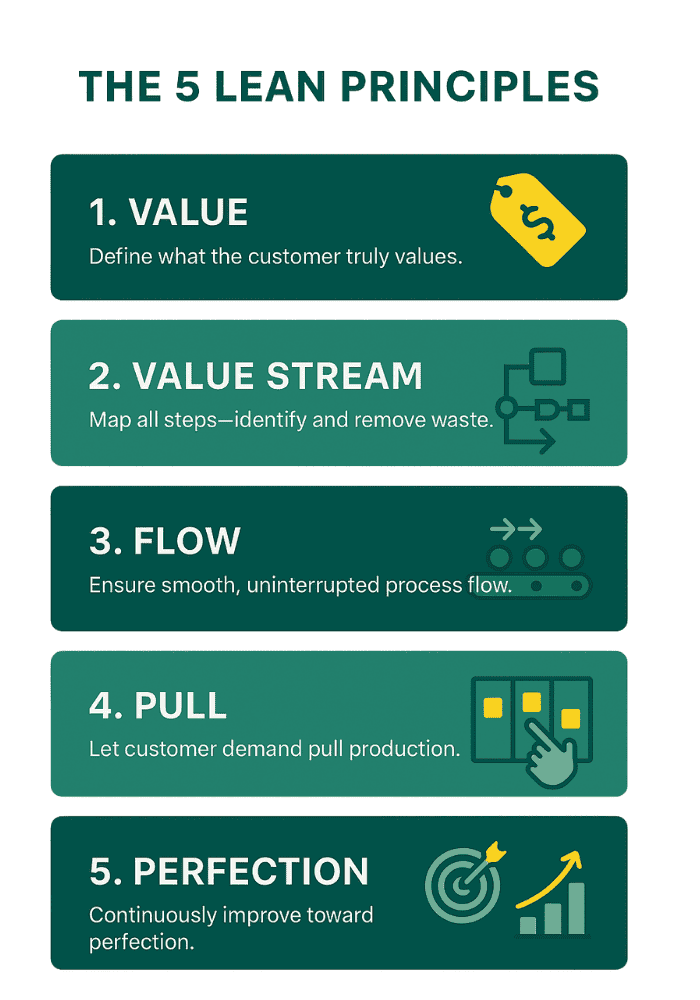
Now, let's say your bakery is overflowing with ingredients. Flour spilling everywhere, overflowing bins of sugar, and mountains of butter that could rival Everest. That's where Lean Manufacturing swoops in to save the day! Lean is all about eliminating waste – anything that doesn't add value to the final product.

Imagine a chef spending half his time searching for the right spice. That's wasted time! Lean principles advocate for things like: Just-in-Time (JIT) inventory (only ordering what you need, when you need it) and 5S (Sort, Set in Order, Shine, Standardize, Sustain). Essentially, it's about creating a streamlined, efficient process that minimizes waste and maximizes value.
Applying it to your home, imagine you have a closet overflowing with clothes you never wear. That's waste! Lean thinking suggests you "Sort" through it, donate what you don't need, and then "Set in Order" the remaining items so you can easily find what you're looking for. "Shine" by cleaning it regularly. "Standardize" the process by always putting things back where they belong. And "Sustain" this organized system by making it a habit. Congratulations, your closet is now Lean!
The Power Couple: Six Sigma and Lean
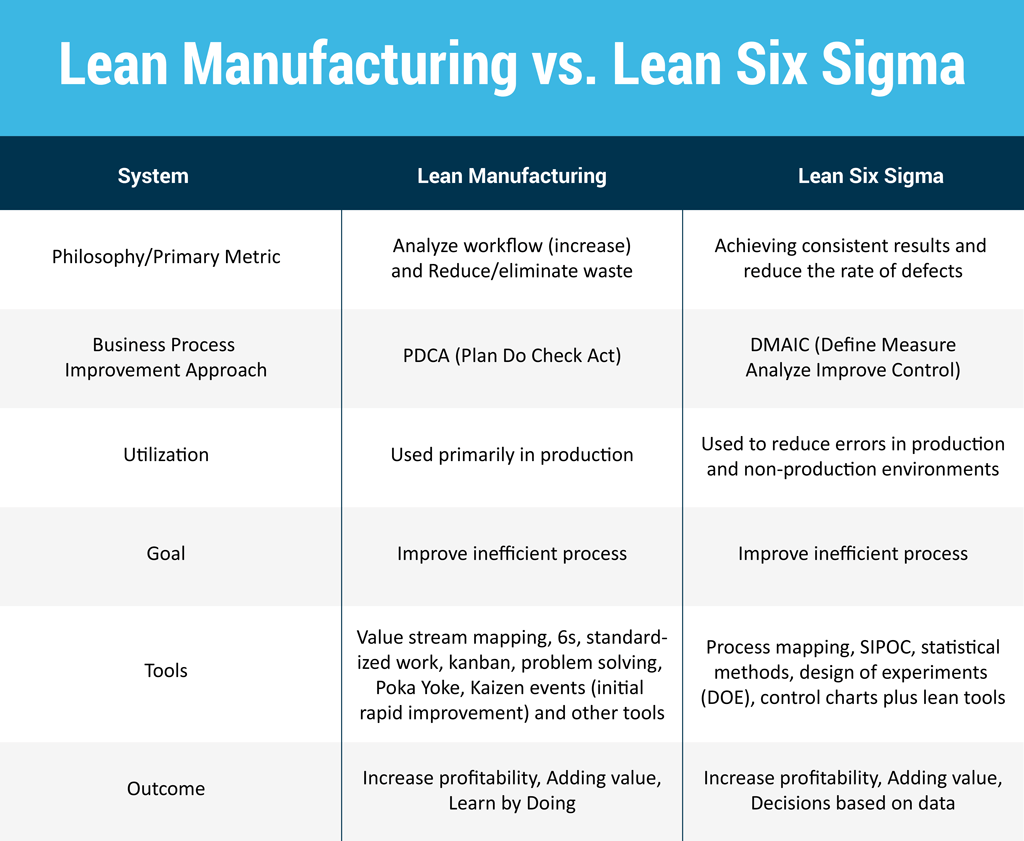
So, why are these two so often mentioned together? Well, they complement each other beautifully! Six Sigma tackles the problem of defects, while Lean attacks the problem of waste. Together, they create a powerhouse of efficiency and quality.
"Six Sigma is about doing the right things, and Lean is about doing them faster." - Some smart person (probably!)
Think of it like this: Six Sigma makes sure your croissants are perfect every time, while Lean makes sure you can bake them quickly and efficiently without wasting any ingredients. The result? Happy customers and a thriving bakery! And hey, even if you're not running a bakery, these principles can help you conquer clutter, smash stress, and achieve your goals, one perfectly baked (or meticulously organized) thing at a time.