Silicone What Is It Made Of

I remember this one time, I was attempting to bake something truly ambitious – a multi-layered, rainbow-coloured cake for a friend’s birthday. Everything was going swimmingly until it came time to unmould the glorious layers from their baking pans. You know that sinking feeling, right? The one where you pray to the gods of non-stick? Well, my prayers were answered by... a silicone baking mat. It peeled off like a dream, leaving behind perfect, vibrant layers. Success!
But as I was scrubbing the surprisingly easy-to-clean mat later, a thought hit me: "What is this magical, bendy, heat-proof stuff even made of?"
It’s everywhere, isn’t it? From those life-saving oven mitts that let you grab a molten dish without losing a fingerprint, to the seals on your reusable water bottle, to even certain medical implants (whoa!). We touch it, use it, and often take it for granted. But what exactly is silicone, this superhero of polymers, actually made of? Let's peel back the layers – much like my cake from the mat – and find out!
Must Read
So, What Is This Stuff?
Think about it. It’s flexible, incredibly heat resistant, doesn't react with much, and often feels kind of... smooth and rubbery. It's a synthetic polymer, meaning it's man-made through a clever chemical process. But don't let "man-made" scare you; its origins are surprisingly earthy.
Let's Talk Ingredients! (Spoiler: It Starts with Sand)
Okay, so you want the secret sauce? Get ready, because it all starts with... sand. Yes, plain old sand! Not just any sand, though. We're talking about high-purity quartz sand, which is primarily made of silicon dioxide (SiO2).
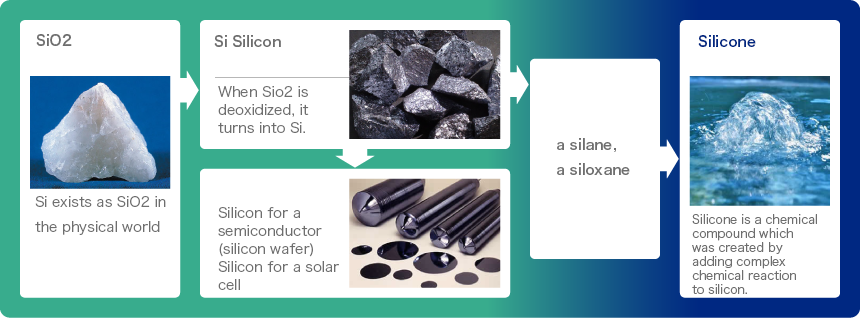
Here's the lowdown:
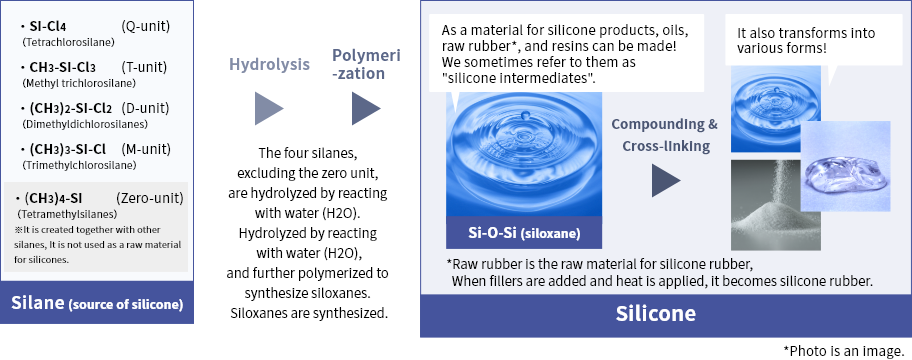
First up, they take that silicon dioxide from the sand and put it through a super high-temperature process with carbon. Think of it like a really intense chemical oven. This process strips away the oxygen, leaving you with pure silicon – and this is where it gets important, folks, because silicon (with an 'o') is an element, a metalloid, and it's the backbone of all silicone. It's what makes up computer chips, for crying out loud!
Now, pure silicon on its own isn't bendy and rubbery. So, the next step involves bringing in some carbon and hydrogen atoms. These usually come from natural gas or petroleum – basically, hydrocarbons. The silicon is reacted with something like methyl chloride (a mouthful, I know, but just remember it brings the carbon and hydrogen party to the mix). This creates a whole new class of compounds called chlorosilanes. Still with me? Good!

Next, these chlorosilanes are mixed with water. This process, called hydrolysis (fancy word for "reacting with water"), removes the chlorine and replaces it with hydroxyl (-OH) groups. This results in compounds called silanols. These silanols are the building blocks, like individual Lego bricks.
And finally, the magic happens! These silanols are linked together in long chains, forming polymers. They basically hold hands, releasing water molecules as they connect. This process, called polymerization, creates the long, flexible chains known as polysiloxanes – which is the technical name for what we commonly call silicone (with an 'e'!).

So, to sum it up: sand (for the silicon) + natural gas/oil (for the carbon and hydrogen) + a whole lot of clever chemistry = the silicone you know and love. Pretty neat, huh? It’s a bit like turning dirt into... well, something infinitely more useful than dirt!
Why Is It So Awesome?
Because of this unique chemical structure – with its silicon-oxygen backbone and organic side groups – silicone boasts incredible properties. It’s super stable at extreme temperatures, resistant to UV light, water-repellent, flexible, and generally doesn't react with other chemicals. This is why it’s perfect for everything from aerospace applications to baby bottle nipples. It’s like the Swiss Army knife of materials!
The Grand Reveal, Kinda.
So next time you grab that colourful spatula, or marvel at your perfectly baked muffins sliding effortlessly from their mould, take a moment. You’re not just holding a piece of plastic-y rubber; you’re holding a testament to some serious chemical ingenuity, born from humble sand and gas. It’s a little bit of everyday magic, wouldn’t you agree? Who knew geology and hydrocarbons could be so useful and… bendy?