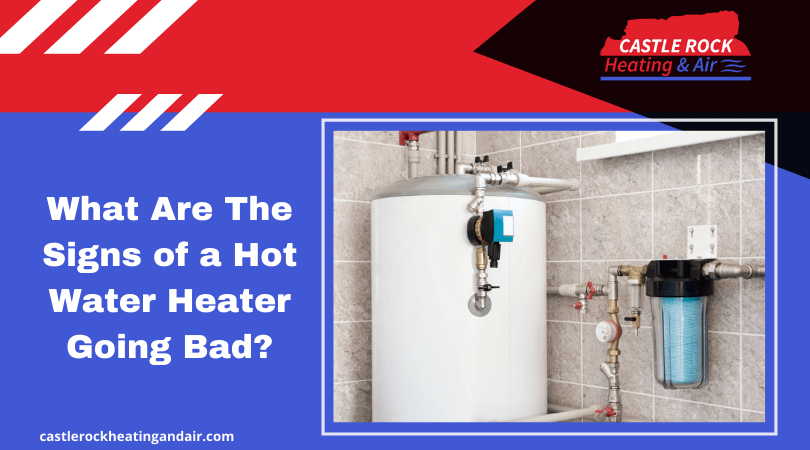
Signs That Your Hot Water Heater Is Going Bad

Hey there, friend! Let's talk hot water heaters. Yeah, I know, riveting stuff, right? But seriously, ignoring those weird gurgles and lukewarm showers could lead to a cold, expensive surprise. So, grab your coffee (or tea, whatever floats your boat!) and let's dive into the signs your hot water heater might be kicking the bucket.
Rusty Water Blues
Okay, first things first: rusty water. Are you suddenly feeling like you're showering in iron ore? Not ideal for that squeaky-clean feeling, is it? If your water's got a reddish or brownish tint, it's a major red flag (pun intended!) that your tank is rusting internally. Think of it like this: your water heater's having a little… internal crisis. Time to investigate!
Now, is the rust only coming from your hot water? That’s key! If it’s both hot and cold, the problem might be your pipes. But if it’s just the hot water, yeah, it's probably your water heater saying, "I'm tired, boss!"
Must Read
Strange Noises: The Water Heater's Opera
Is your hot water heater trying out for the opera? I mean, are you hearing pops, bangs, gurgles, or hisses coming from the basement? These aren't just cute sound effects. These are the cries of a dying appliance! Sediment buildup is often the culprit. Imagine layers and layers of mineral deposits at the bottom of your tank – kind of like geological strata, but way less cool and way more problematic. Sediment makes your heater work harder.
Those strange sounds, by the way, are the sediment being superheated and bubbling. Not good! Time to call a professional to flush that bad boy out (or consider a replacement, depending on the heater's age – more on that later!).
Lukewarm Lovin' (Or Lack Thereof)
Ah, the dreaded lukewarm shower. The bane of early mornings everywhere. Is your hot water more like… tepid water? Are you turning the dial all the way to "scalding" and still feeling a little chilly? That's a big ol' hint that something's wrong. Maybe the heating element is failing (it happens!), or maybe that sediment buildup we talked about is insulating the water from the heat. Either way, brrr!
Consider how quickly you're running out of hot water, too. If you used to be able to take a luxurious, hour-long shower, and now you're shivering after 15 minutes, something's definitely amiss. Are you the only one in your house who noticed the water change temperature? If not, it is your water heater to blame.
Leaks: When Your Heater Cries
Okay, this one's pretty obvious, but worth mentioning. Is your water heater leaking? I mean, is there water pooling around the base of the unit? This is a very bad sign. Like, call-a-plumber-immediately bad. Leaks can lead to water damage, mold growth, and all sorts of other nasty problems. Plus, electricity and water don't mix (duh!), so it's a safety hazard, too.Turn off the water and power supply to the heater ASAP!

Even a tiny drip can indicate a big problem. Don't ignore it! Small leaks can quickly turn into big, expensive messes.
Age is Just a Number… Except When It's Not
How old is your hot water heater? Seriously, do you even know? Most water heaters have a lifespan of around 8-12 years. If yours is older than that, it's living on borrowed time. Sure, it might keep chugging along for a few more years, but it's also more likely to fail at any moment. And usually at the most inconvenient time possible, like when you have guests staying over or on Christmas morning, right?

Think of it like this: replacing an old water heater before it fails is like preventative medicine. It's an investment in your peace of mind (and your drywalls!). Check the manufacturer's label for the date of manufacture. That's your clue!
Time to Call the Pros?
So, there you have it. A few telltale signs that your hot water heater might be on its last legs. If you're experiencing any of these problems, don't panic! But definitely don't ignore them either. A little bit of investigation now can save you a lot of headaches (and cold showers!) later.
Sometimes, a simple repair can fix the issue. Other times, it's time for a replacement. If you're not sure what to do, call a qualified plumber. They can assess the situation and give you the best advice. Don't DIY electrical or gas repairs unless you're a professional! Seriously, leave that to the experts. Trust me on this one. Stay warm (and dry!), my friend!