
Signs Of High Humidity In Home
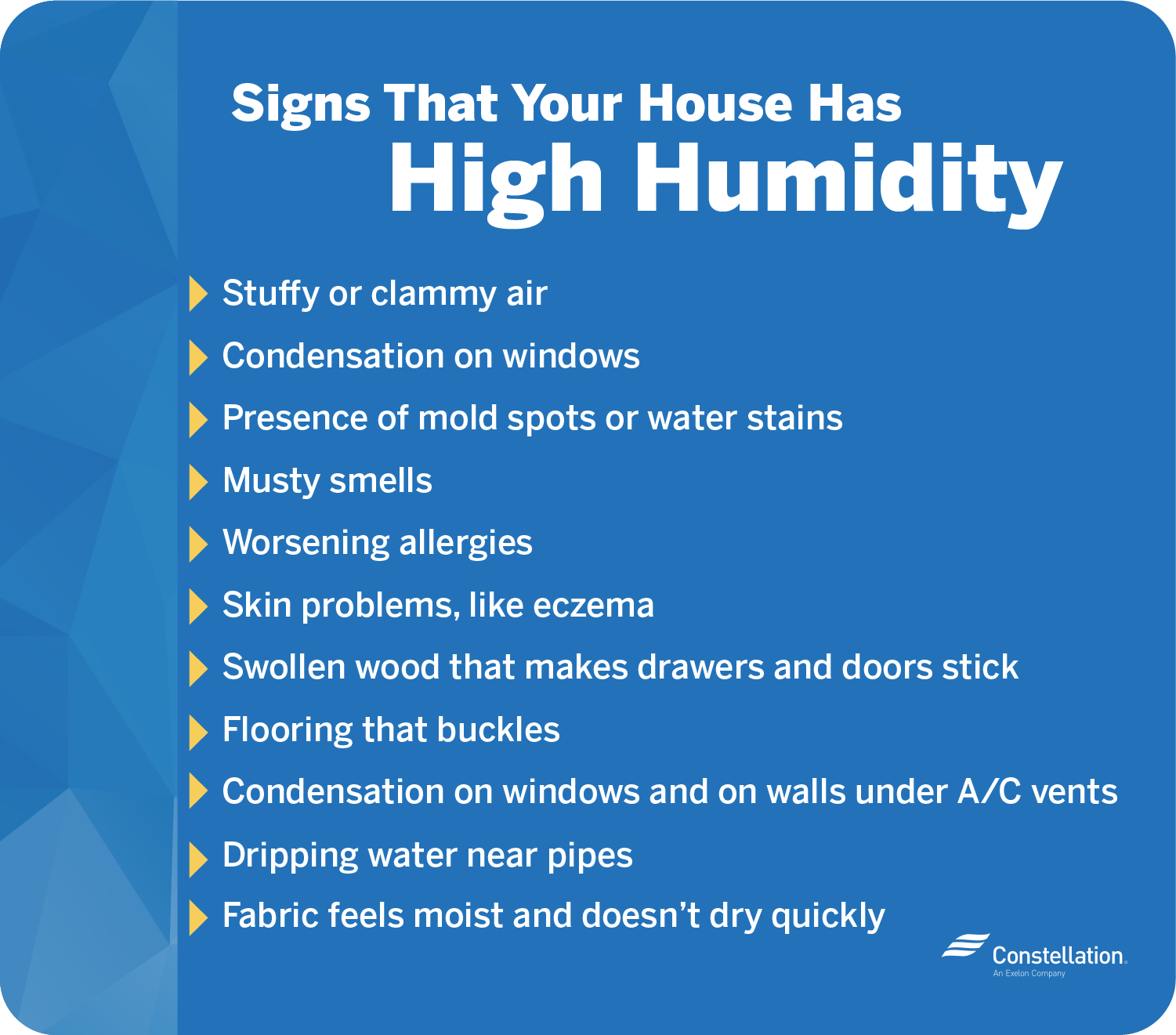
Ever walked into your home and felt like you'd stepped into a tropical rainforest, even if it's chilly outside? Or perhaps you’ve noticed a faint, earthy smell that just won't quit? These could be subtle whispers (or sometimes, outright shouts!) from your home that it’s dealing with a case of too much moisture. Let’s face it, our homes are our sanctuaries, and keeping them comfortable and healthy often means paying attention to the invisible stuff, like humidity.
Humidity, in simple terms, is the amount of water vapor floating around in the air. While a little bit is good for our skin and sinuses, too much can turn your cozy abode into a breeding ground for all sorts of issues. Think of it like a delicate balance, much like the perfect amount of seasoning in your favorite dish. Too little, and things feel dry; too much, and everything feels… well, damp! So, how do you know if your home has tipped into the "high humidity" zone? Let's decode the signs.
Condensation Cues: When Your Home Starts Sweating
One of the most obvious tell-tale signs is condensation on windows. You wake up, open the blinds, and find your panes weeping little droplets. This isn’t just a winter phenomenon; if you see it regularly, especially on cooler surfaces like pipes, mirrors, or even walls in humid rooms, it's a big red flag. It’s like your house is visibly sweating! In many cultures, like Japan, attention to ventilation is paramount, partly to combat this very issue, especially in bathrooms.
Must Read
Practical Tip: A quick wipe-down helps, but the real solution is improving air circulation. Make sure your exhaust fans in bathrooms and kitchens are actually exhausting air outside, not just recirculating it. Opening a window for even 10 minutes a day can make a big difference.
The Musty Mystery: Uninvited Smells and Specks
Is there a persistent, somewhat damp-earth smell lingering in certain areas, particularly basements, bathrooms, or laundry rooms? That's often the scent of mold and mildew setting up shop. This isn't just unpleasant; it can be an allergen and a sign of deeper issues. You might even spot black, green, or white specks on walls, ceilings, or shower curtains. These are the visible colonies of mold, and they absolutely thrive in high-humidity environments.
Fun Fact: Mold spores are everywhere, all the time. They're just waiting for the perfect moist, dark spot to really bloom, like a tiny villain patiently biding its time.
The Sticky Situation: How Your Skin Feels
Remember those super humid summer days where your skin just felt… sticky? That's what high indoor humidity can do. If you feel perpetually clammy, or your clothes take forever to dry on the line (even indoors), your home’s air is probably saturated with moisture. It’s not just uncomfortable; it makes your AC work harder because it's trying to cool down moisture-laden air, which feels warmer.

Cultural Reference: People living in genuinely tropical climates like Singapore or parts of Brazil are experts at managing indoor humidity, often relying on powerful dehumidifiers and excellent ventilation to maintain comfort.
Structural Stress: When Walls and Wood Complain
High humidity isn't just about discomfort; it can be downright damaging. Keep an eye out for peeling paint, bubbling wallpaper, or warped wooden floors and furniture. Wood, being porous, absorbs moisture from the air, causing it to swell and warp. This is why doors might stick in their frames, or drawers become difficult to open. Over time, this kind of stress can really take a toll on your home's structure and finishes.
.png)
Practical Tip: Inspect areas near windows, ceilings, and in corners for these subtle signs. Catching them early can save you a lot of headache and expense down the line.
Uninvited Guests: Pest Problems
Believe it or not, high humidity can even invite unwanted roommates. Pests like silverfish, cockroaches, and dust mites absolutely adore damp environments. If you’re suddenly noticing more creepy-crawlies than usual, it might not just be a pest problem; it could be a humidity problem, too. They're simply gravitating towards their ideal living conditions, which, unfortunately, might be your home.
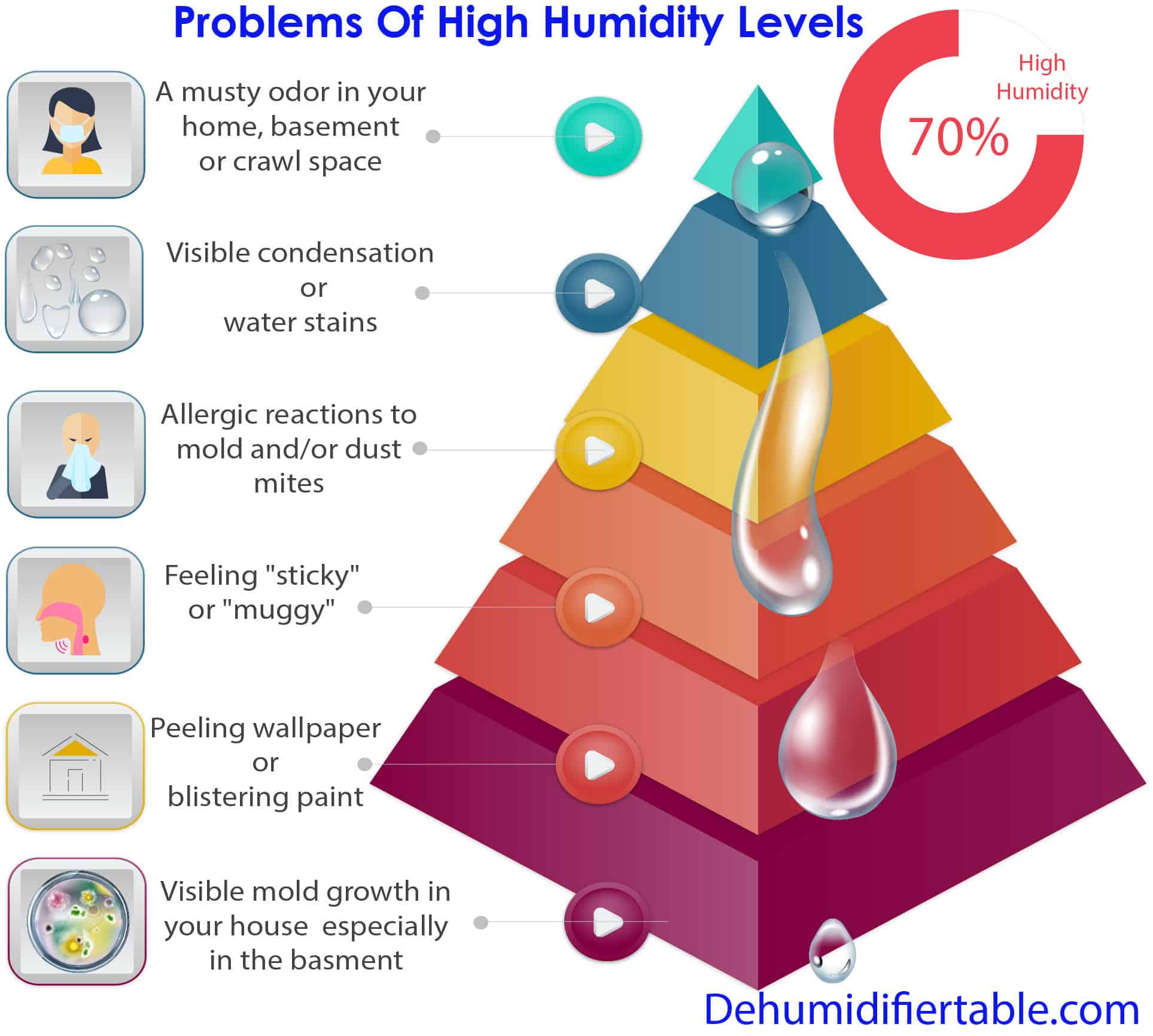
Fun Fact: Dust mites, microscopic creatures that feed on dead skin cells, thrive in humidity levels above 60%. They are a major trigger for allergies and asthma for many people.
What to Do When Your Home Whispers Damp?
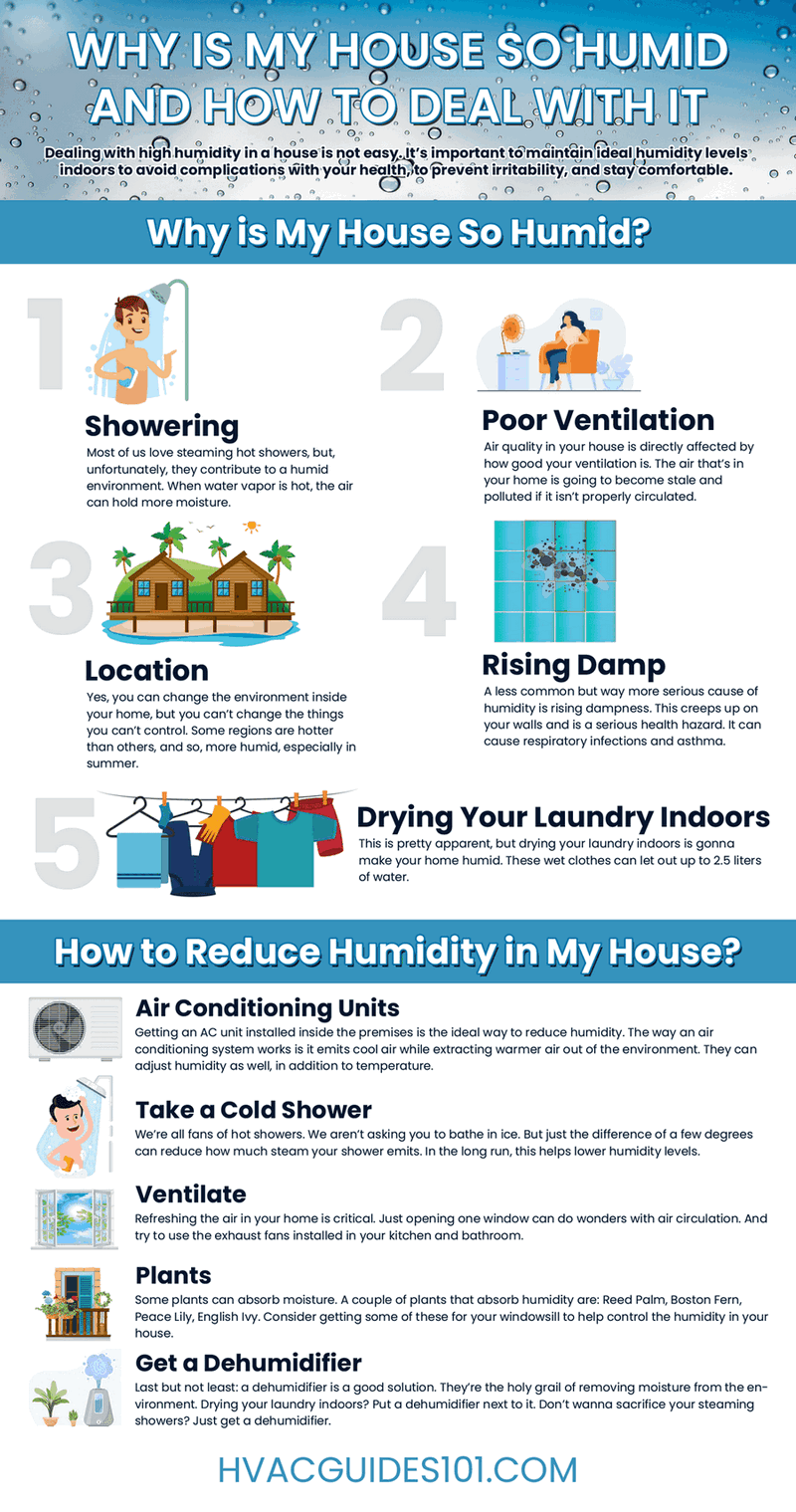
Don’t despair! Recognizing the signs is the first step. The good news is that managing humidity is entirely doable. Invest in a hygrometer (it's inexpensive and tells you your home's exact humidity level – aim for 30-50%). Use exhaust fans, open windows, fix any leaky pipes, and consider a dehumidifier, especially in damp areas like basements. Some houseplants can even help, though don't rely on them as your sole solution.
Ultimately, paying attention to the humidity in your home is about creating a healthier, more comfortable living space. It’s about more than just avoiding mold; it’s about making your home a place where you can truly relax, breathe easy, and enjoy life without feeling like you're constantly fighting off a clammy invasion. A little awareness goes a long way in ensuring your sanctuary remains just that: a sanctuary, not a swamp.